
Last updated November 14, 2026
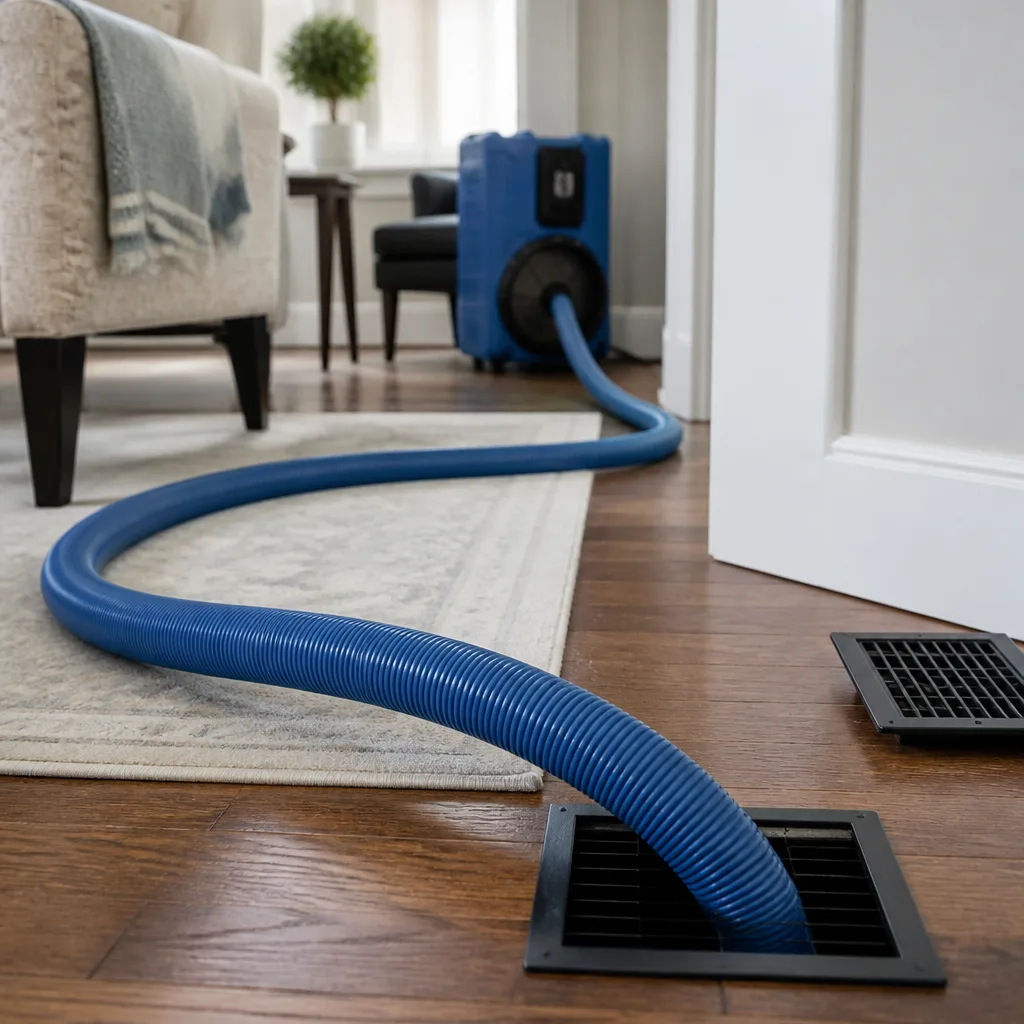 Whole-home duct cleaning
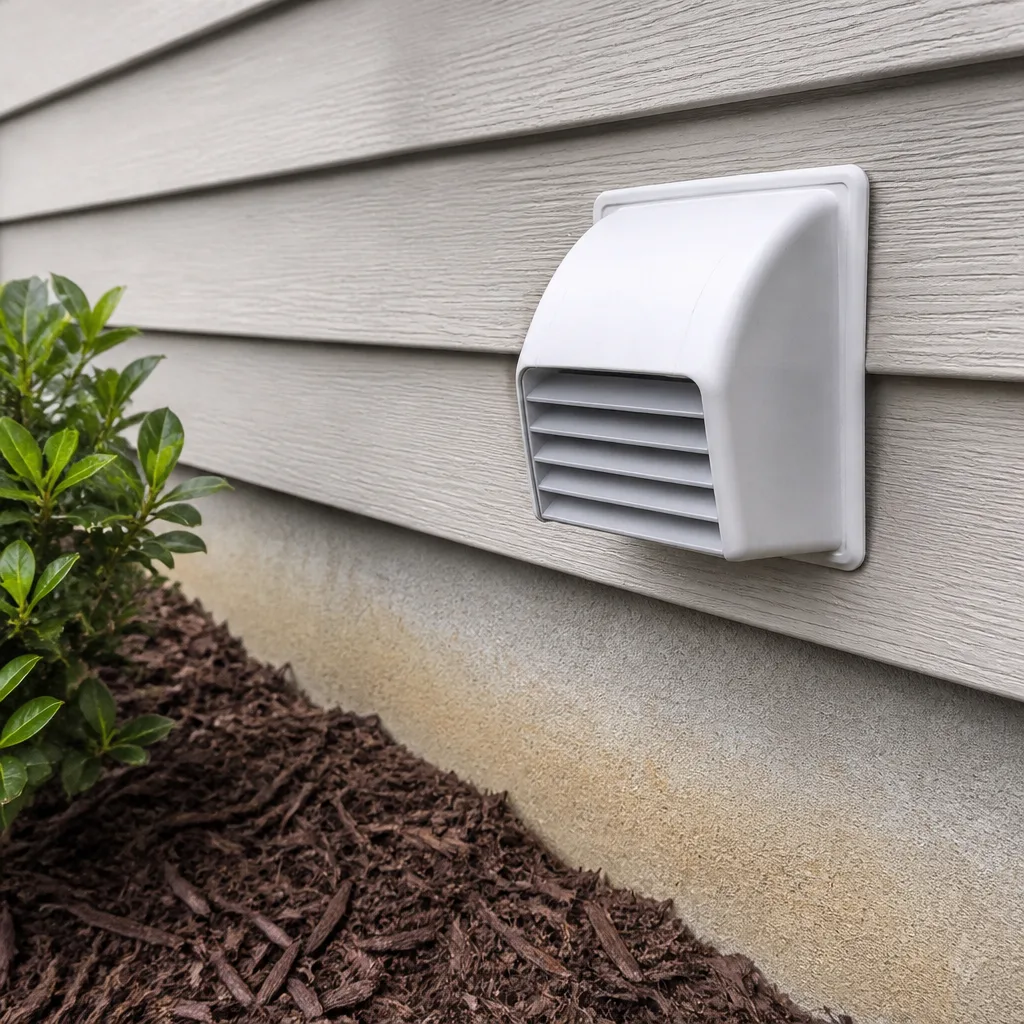 Dryer vent cleaning
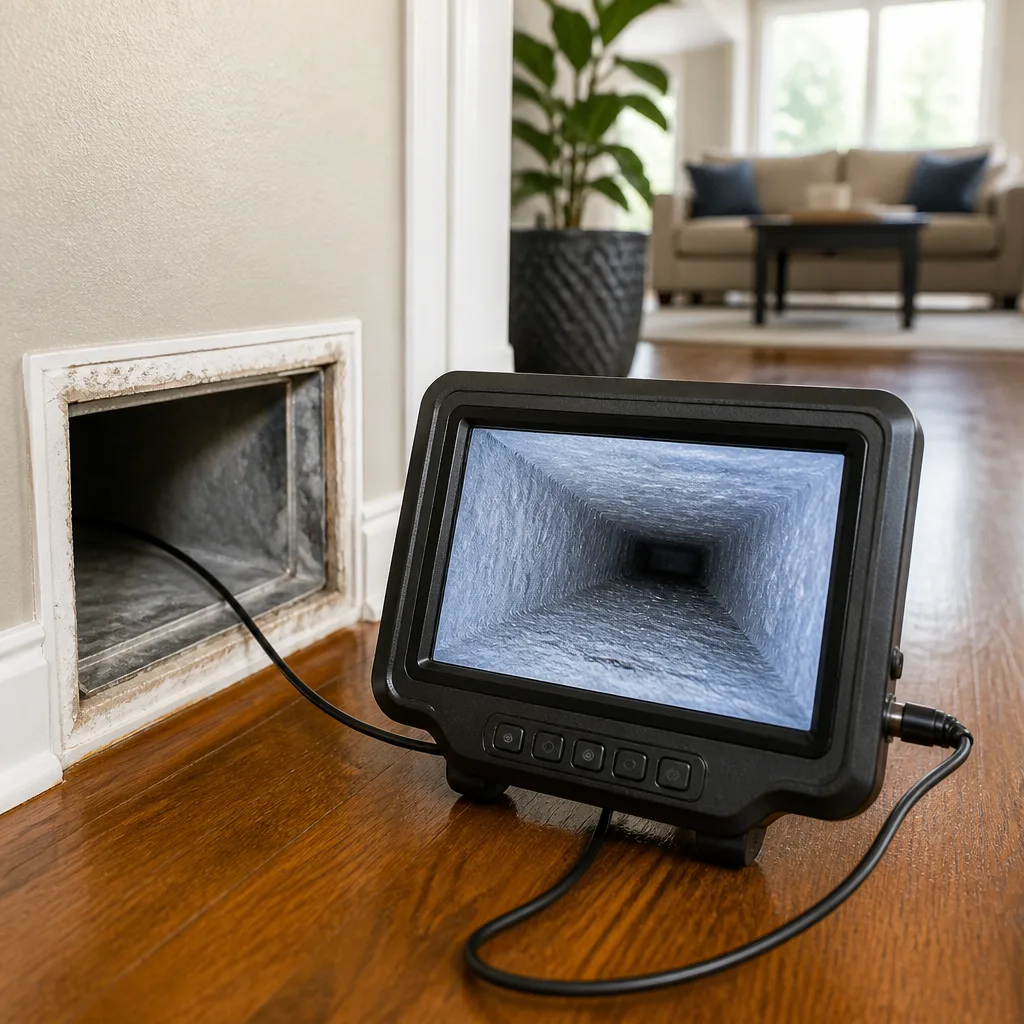 Camera inspection
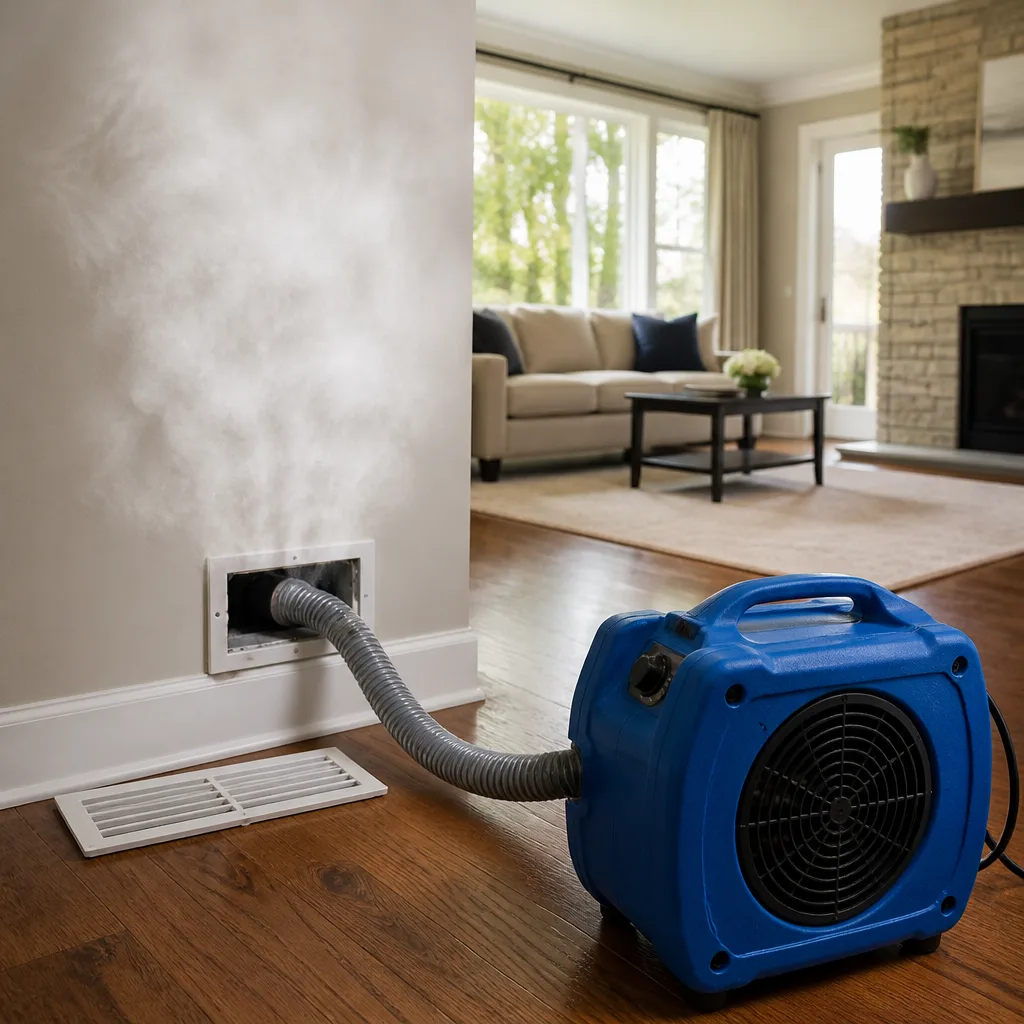 Sanitizing & deodorizing
Whole-system duct and dryer vent check with before-and-after photos - you see exactly what came out of your vents
That "$99 whole-house special" is a bait ad - the real number appears once they are in your hallway, or the "clean" is a shop-vac at the register. We photograph the inside of your ducts before and after instead.
Air Duct Cleaning Maintenance Checklist for Norman Homeowners
Changing your filter every 90 days while never cleaning your ducts is like mopping the floor but never scrubbing the baseboards. The filter catches what it can, but the contamination sitting upstream in the ductwork keeps feeding new dust, pollen, and debris right back into it. The filter looks dirty again in weeks, you blame the filter, and the actual source never gets touched. In Norman, where spring storms push fine red dust through every crack and summer runs the HVAC hard from May into September, that upstream buildup happens faster than most homeowners expect. This checklist maps duct cleaning into a full-year maintenance rhythm for a Norman home: what to inspect yourself, when to schedule, how filter ratings interact with duct cleanliness, and how to keep records that matter at resale or when you file a claim.
Quick Answer
Air ducts in a Norman home should be professionally cleaned every 3 to 5 years under normal use, or every 2 to 3 years if you have pets, allergies, a recent renovation, or a house that takes in a lot of Oklahoma red dust. Between professional cleanings, change filters every 60 to 90 days, inspect grilles and return covers monthly, and watch for specific triggers – smoke events, rodent evidence, visible debris – that mean you should call sooner rather than wait out the cycle.
Styles & brands we work with
- Whole-home duct cleaning
- Dryer vent cleaning
- Camera inspection
- Sanitizing & deodorizing
Table of Contents
- Why duct cleaning belongs in a maintenance calendar, not a one-time to-do
- The Norman homeowner’s month-by-month duct and HVAC calendar
- What you can inspect yourself (and what “normal” looks like)
- Filter ratings, MERV, and how they interact with duct cleanliness
- When to call for an unscheduled cleaning instead of waiting
- How to document cleanings for resale and insurance
- Common mistakes to avoid
- When to call a professional
Why Duct Cleaning Belongs in a Maintenance Calendar, Not a One-Time To-Do
Most homeowners treat duct cleaning as a repair – something you do once, when the air gets bad enough to notice. It’s actually closer to a rhythm. Your HVAC system moves thousands of cubic feet of air through the same channels every day, and every bit of that air carries what’s in it: dust, pollen, pet dander, cooking particles, and in Norman, the fine reddish soil that gets kicked up by wind and tracked in from the yard.
The filter catches a share of that. The rest settles on duct walls, flex duct ridges, register boots, and the return plenum. Over months, the settled layer thickens. Over years, it becomes a reservoir that dumps particles back into the airstream every time the blower kicks on. The filter keeps catching what it can, but the source keeps producing. That’s the loop that makes duct cleaning a maintenance item rather than an emergency.
There’s a second reason for the calendar approach. Duct cleaning touches the same system that filter changes, dryer vent cleaning, and HVAC tune-ups touch, and doing them on the same schedule keeps any one of them from undoing the others. A fresh professional cleaning followed by three months of a clogged filter is money spent twice. So is a clean system running through a dryer vent packed with lint. The checklist below ties them together for a Norman home.
And if you rent out property in Norman, the same rhythm applies to each unit. Landlords and property managers who track cleaning dates per unit have a much easier time at turnover and when a tenant complaint comes in.
The Norman Homeowner’s Month-by-Month Duct and HVAC Calendar
Norman’s climate gives the calendar a shape. Spring is storm season with wind-driven dust and pollen. Summer is peak HVAC load with the system running nonstop. Fall brings a second allergen surge from ragweed and leaf mold, and winter is mild enough that the heat runs less, which is when accumulated debris sits undisturbed and unnoticed.
- January and February: Change the filter. Inspect the return air grille for dust buildup. Listen for unusual blower noise, which can signal a loose flex duct connection.
- March and April: Storm season begins. Check for water intrusion around the air handler and any visible moisture in duct runs. If you’ve had roof or window work done, expect debris. Change the filter after any big wind event that left grit on the windowsills.
- May: Pre-summer HVAC tune-up. If a professional cleaning is due, this is the ideal window – before the system is running flat out.
- June, July, August: Peak cooling season. Change filters every 60 days rather than 90. Watch for dusty smells when the system starts each cycle.
- September, October: Fall allergen surge. If anyone in the house has seasonal allergies, a mid-fall filter change and a grille inspection are both worthwhile. This is also a common month for a cleaning if it’s been 3+ years.
- November, December: Dryer vent check before holiday laundry loads. Filter change. Note the year’s cleaning dates in your home record.
A Duct Cleaning Norman visit slots into this calendar at the point where cleaning is actually due – typically the May window or a fall follow-up. Pairing it with the tune-up saves calendar clutter and makes the record cleaner.
What You Can Inspect Yourself (and What “Normal” Looks Like)
You don’t need equipment to catch the early signals. A flashlight, your phone camera, and ten minutes per register gets you most of what a professional will see on the walkthrough – the question is knowing which signals mean “keep an eye on it” and which mean “call now.”
- Register grilles: A light even coat of dust on the slats is normal. A thick, matted, or greasy film – especially near kitchens – is a sign that upstream ductwork is carrying more than fine dust.
- Return air covers: The large central returns pull the most volume and collect the most. Some dust is expected. Visible debris, dark staining around the edges, or a musty smell when you stand near it are actionable.
- Visible flex duct connections: In the attic or crawlspace, look where flex duct joins the trunk or register boot. A gap or a sagging section is normal wear. Torn insulation, visible tape failure, or a duct resting on debris is actionable – and if the duct is disconnected, call for repair rather than cleaning.
- Register air strength: Hold a tissue against the grille with the system on. Weak or uneven flow across registers usually means a duct problem, not a dirt problem.
- Filter housing: Look for bypass – a filter that sits loose in its slot lets air around it, and the dust that bypasses the filter goes straight into the system. A snug fit is the goal.
What’s “normal”: even, thin, dry dust, no smell, and consistent airflow. What’s “actionable”: thick deposits, musty or stale smells, visible moisture, weak or asymmetric airflow, or debris that reappears on grilles within a couple of weeks of cleaning them. When you find the actionable signals, that’s a prompt to call, not a prompt to vacuum the grille and forget about it.
If you’re in an older home in Norman, the duct layout may be original, and the connections you can see are only part of the picture. Professional-grade inspection with a camera can see what a flashlight can’t.
Filter Ratings, MERV, and How They Interact with Duct Cleanliness
Filter choice and duct cleanliness pull in opposite directions if you get the balance wrong. A higher MERV rating catches smaller particles, which is good for indoor air. But a high-MERV filter in a system not designed for it drops airflow, strains the blower, and can actually make the system less effective at moving air through the ducts. The right filter is the one matched to your equipment, changed on schedule.
Here’s a practical starting point for a Norman home:
- MERV 8 to MERV 11: The standard range for most residential systems. Catches pollen, dust, and many mold spores without overloading the blower. This is the safe default for a home coming off a cleaning.
- MERV 13: Higher capture, worth considering if allergies are significant – but confirm with your HVAC tech that the system can handle the pressure drop. Many older systems can’t.
- MERV 16 and above: Hospital-grade filtration. Overkill for most homes and often restrictive. Not a substitute for duct cleaning; it just catches what passes through the filter, not what’s already stuck in the ducts.
Where duct cleanliness intersects: a clean duct system with a properly sized filter stays cleaner longer, because the filter isn’t fighting a reservoir. A dirty duct system with a high-MERV filter just burns through filters faster. Professional cleanings reset the baseline. In our experience, pairing a cleaning with an upgraded filter housing or a media cabinet – brands like Honeywell and Aprilaire make systems that fit standard installations – reduces the amount of dust that reaches the ducts between cleanings.
Change schedule by MERV: a 1-inch MERV 8 every 60 to 90 days, a 4-inch media filter often every 6 to 12 months, and any filter more frequently during heavy pollen or storm-dust weeks in Norman. A filter that looks grey after four weeks is telling you something about the air it’s seeing.
When to Call for an Unscheduled Cleaning Instead of Waiting
The 3-to-5-year cadence is the baseline. But real life throws events at a home that move the schedule up. These are the specific triggers worth calling on, even if the last cleaning was recent:
- Smoke events: A house fire nearby, wildfire smoke pushing into the area, or any indoor smoke event sends fine particulate into the system. Even a short exposure leaves residue on duct surfaces.
- Rodent evidence: Droppings, gnaw marks, and nesting material in the attic mean the ductwork has been compromised – both contamination and physical damage. This calls for cleaning plus inspection, and often repair.
- Post-renovation debris: Drywall dust, sawdust, and fiberglass particles from a remodel get spread through the whole house by the HVAC system. Clean after construction, not before.
- Water intrusion: Any leak that reached the ductwork or air handler creates conditions for biological growth. Cleaning alone isn’t enough if moisture is the cause – the source has to be fixed first.
- New-to-you home: You don’t know the previous owner’s habits. A cleaning on move-in gives you a clean baseline and a date to start your record from.
- Persistent musty smell: If running the system makes a room smell stale, that’s a signal worth a professional inspection.
For a professional-grade clean, we operate Rotobrush contact-cleaning systems and Nikro negative-air equipment with HEPA filtration – the same tools used in professional duct cleaning standards, not improvised shop-vac setups. Air duct repair is part of the same visit when a connection, boot, or section of flex duct has failed. If you also need air duct cleaning after an event, we can look at the whole system on one call.
And don’t forget the dryer vent on the same walk-through. dryer vent cleaning is a fire-safety item and a bad-vent airflow problem in one, and it’s easy to forget if it’s not on the calendar.
How to Document Cleanings for Resale and Insurance
A home maintenance record is worth more than most homeowners realize. At resale, a documented duct cleaning history signals a system that’s been cared for, which answers a buyer’s silent question: “Has anyone opened this thing up in the last ten years?” For insurance, the same record supports a claim if a fire, water event, or other damage touches the HVAC system, and it shows a pattern of ordinary maintenance rather than neglect.
What to keep:
- Service date and system scope: What was cleaned – full system, dryer vent, or a repair. Date and address.
- Photos before and after: A professional clean should include before-and-after images of your ducts. Keep them in the record. This is how you know the work was done, and it’s the best evidence if you’re ever asked.
- Filter brand and MERV rating: So the next owner can match without guessing.
- Any repairs made: Flex duct replaced, boot sealed, connection re-taped. Small repairs logged are worth more at inspection time than unrecorded fixes.
- Observations: Pet hair, post-renovation debris, moisture found. Notes like this tell a story about the house over time.
Keep it in a folder with the HVAC paperwork, not scattered in email. For Norman property managers, a per-unit record is the difference between a routine turnover and a dispute over whether a unit was ever maintained.
Common Mistakes to Avoid
- Cleaning ducts before fixing the filter housing. If the filter sits loose in its slot, dust bypasses it and the ducts reload. Fit a proper housing first, then clean.
- Assuming a high-MERV filter is always better. A MERV 13 in a system rated for MERV 8 restricts airflow, strains the blower, and hurts performance. Match to the equipment.
- Skipping the dryer vent because it’s not part of the HVAC. Lint buildup is a leading cause of residential fires, and a dryer taking too long to dry is the everyday signal.
- Vacuuming grilles and calling it done. Cleaning the surface of a register doesn’t touch the ductwork behind it. The dust sits upstream.
- Scheduling a cleaning immediately after a remodel without confirming the work is finished. Drywall dust keeps falling for weeks. Time the cleaning after the last coat, not before.
- Forgetting to ask for before-and-after photos. Without them, you have no record of what was actually done. Ask up front.
- Ignoring Norman’s storm-dust cycle. Wind events dump fine particulate on every surface. A few weeks later it’s in the ducts. If you notice grit on the windowsills after a spring storm, expect the filter to be loaded.
When to Call a Professional
Some signals deserve a pro on-site rather than a homeowner inspection. A persistent musty smell when the system runs. Visible debris in more than one return grille. Evidence of rodents in the ductwork or attic. Any water intrusion that touched the air handler or duct runs. A duct that’s clearly disconnected, sagging, or torn. Airflow that’s noticeably weak in one part of the house but not another. And any time the calendar shows it’s been four or more years since the last clean.
Duct Cleaning Norman offers free estimates in Norman. Call (866) 493-6592. We answer 24/7. Fast dispatch from 7am to 7pm, Sunday through Friday. For a full walkthrough of what we do and the equipment we use, see Norman service details.
See the difference
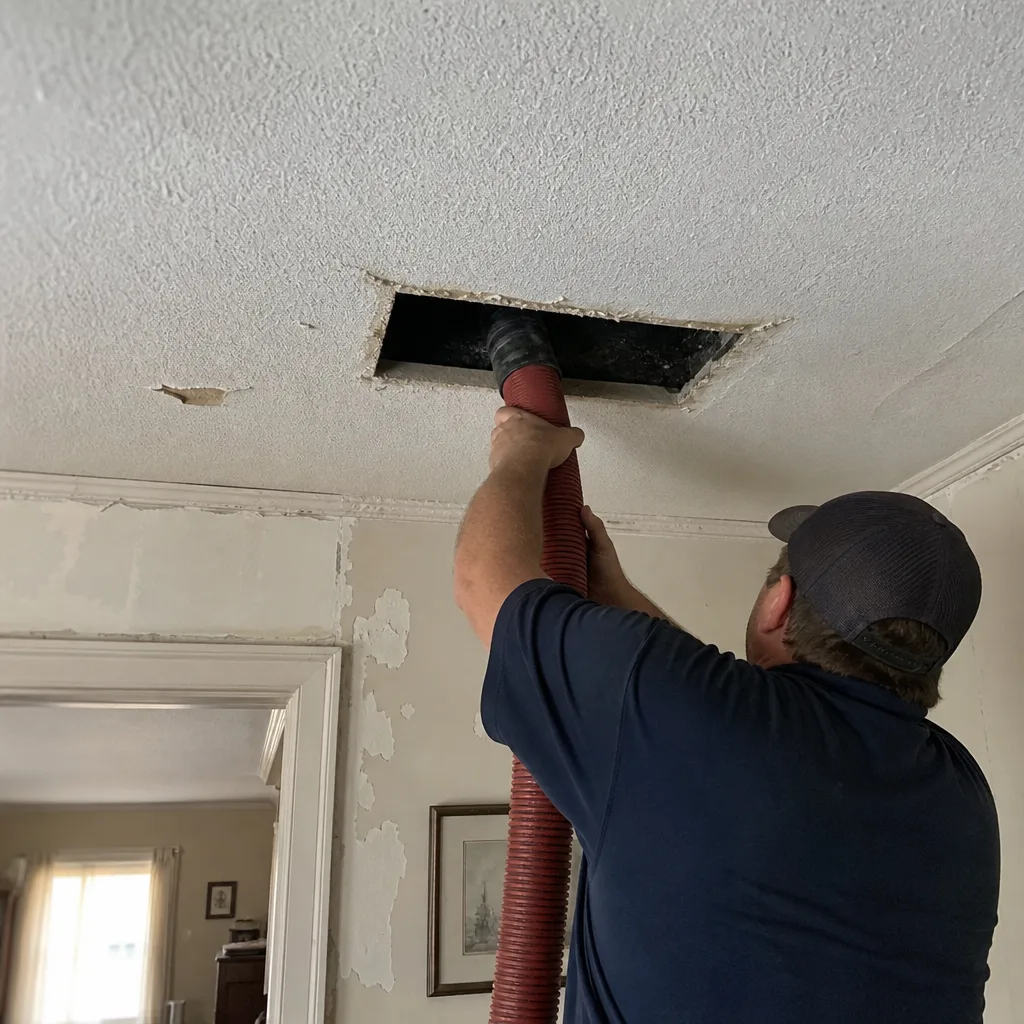 Before
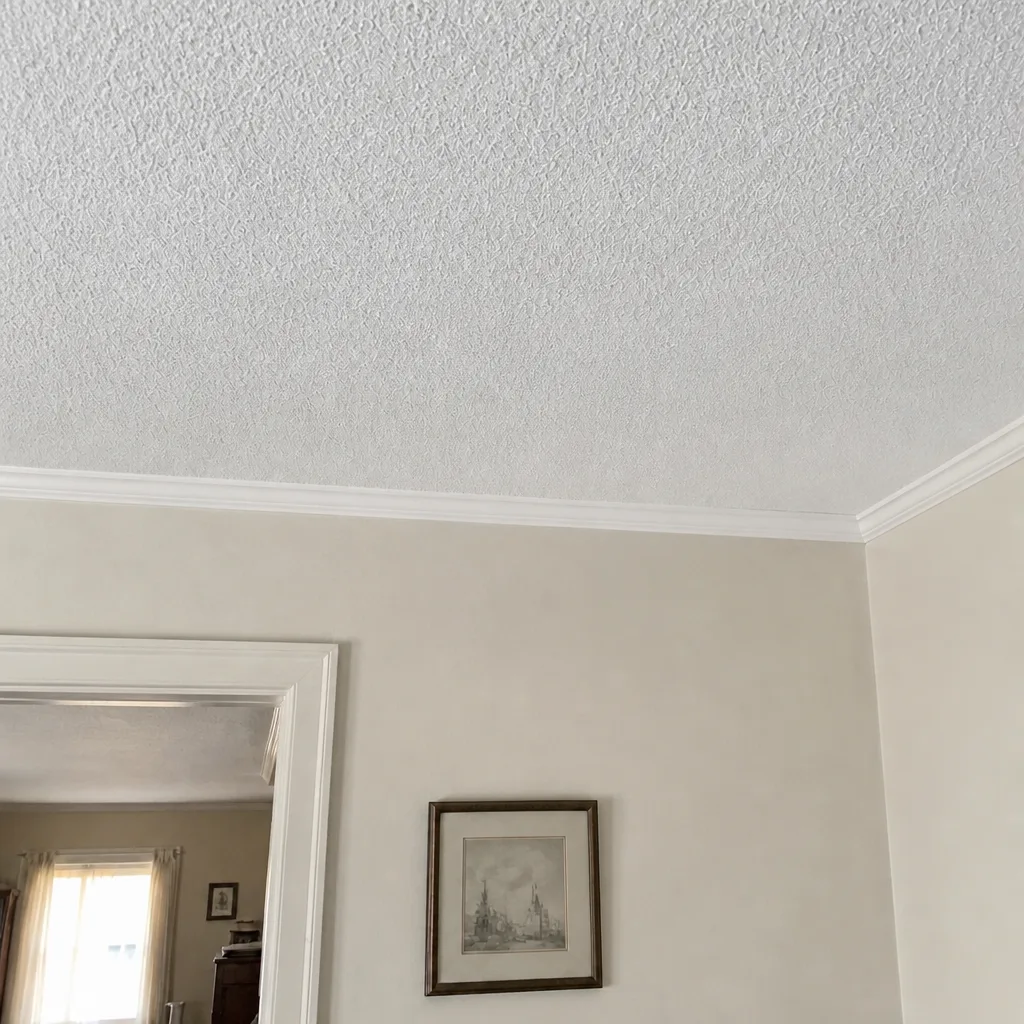 After
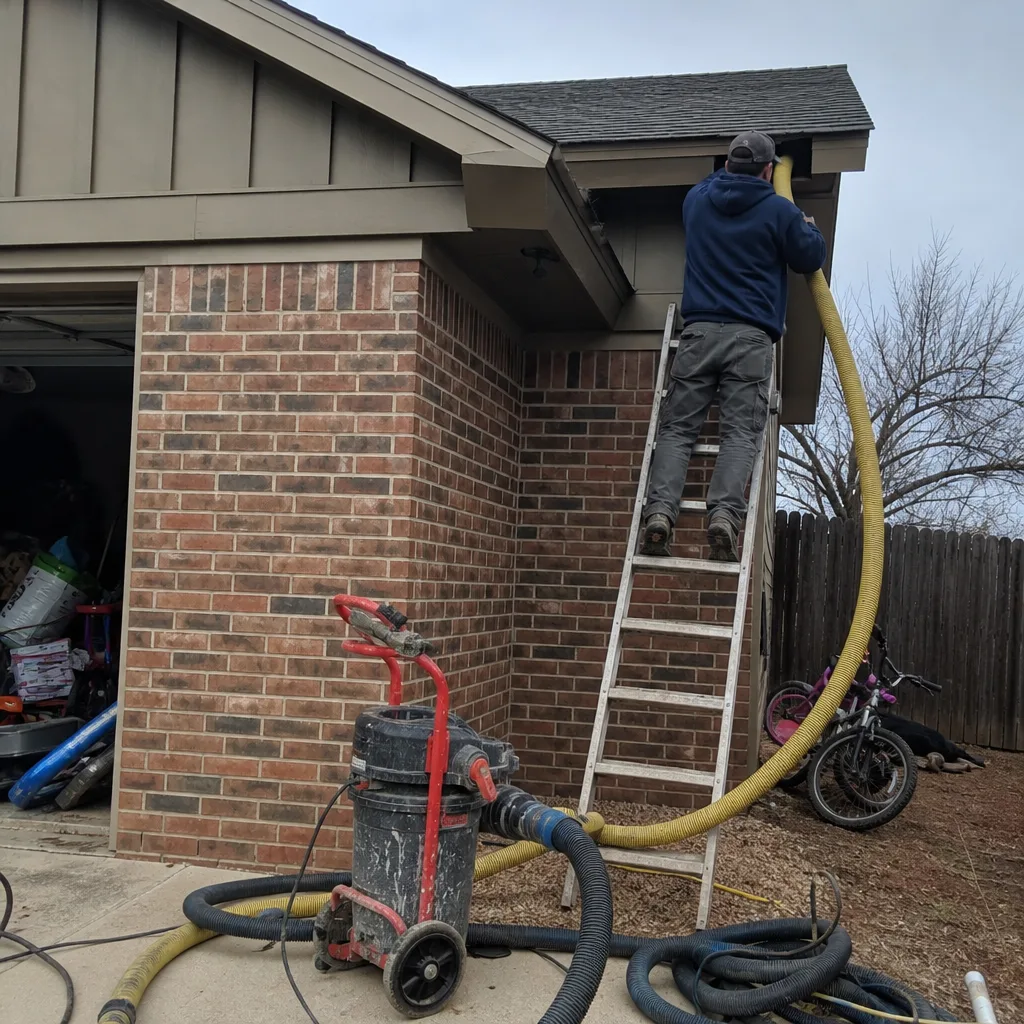 Before
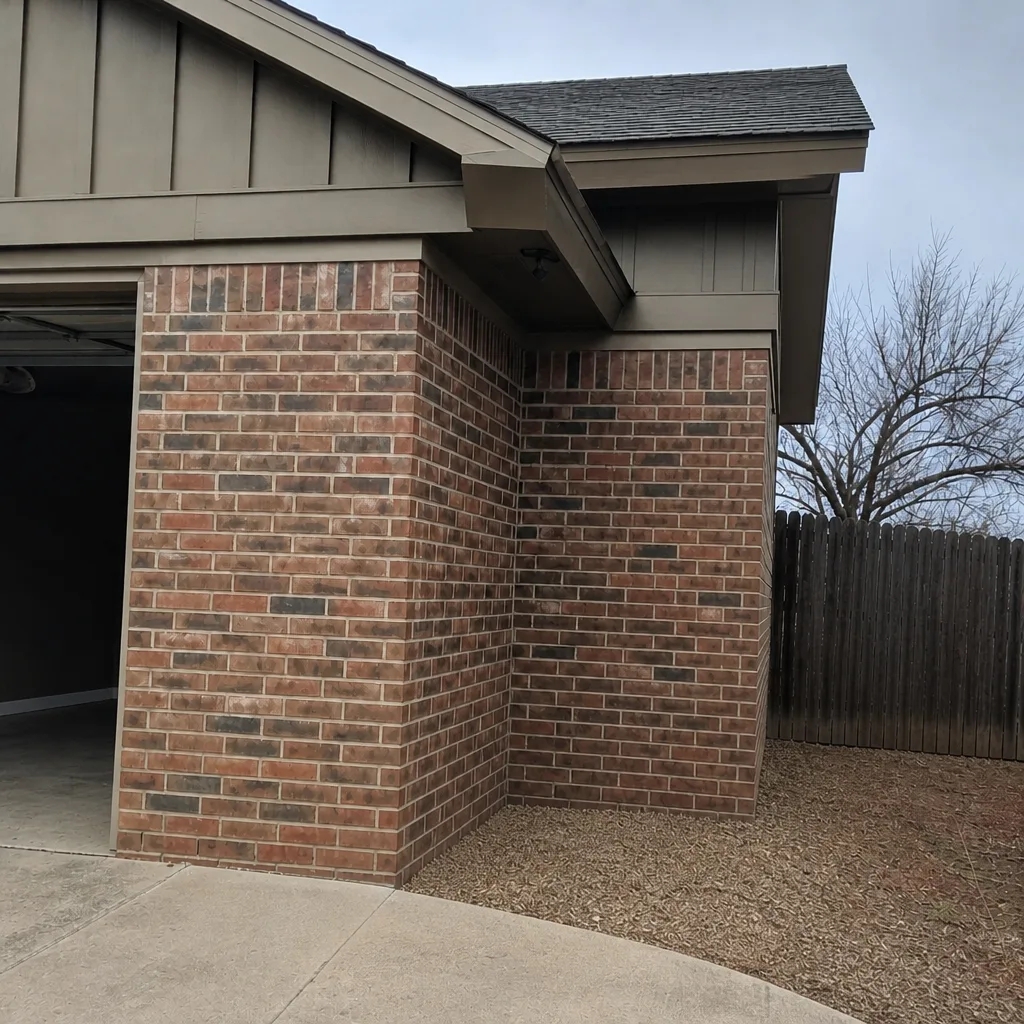 After
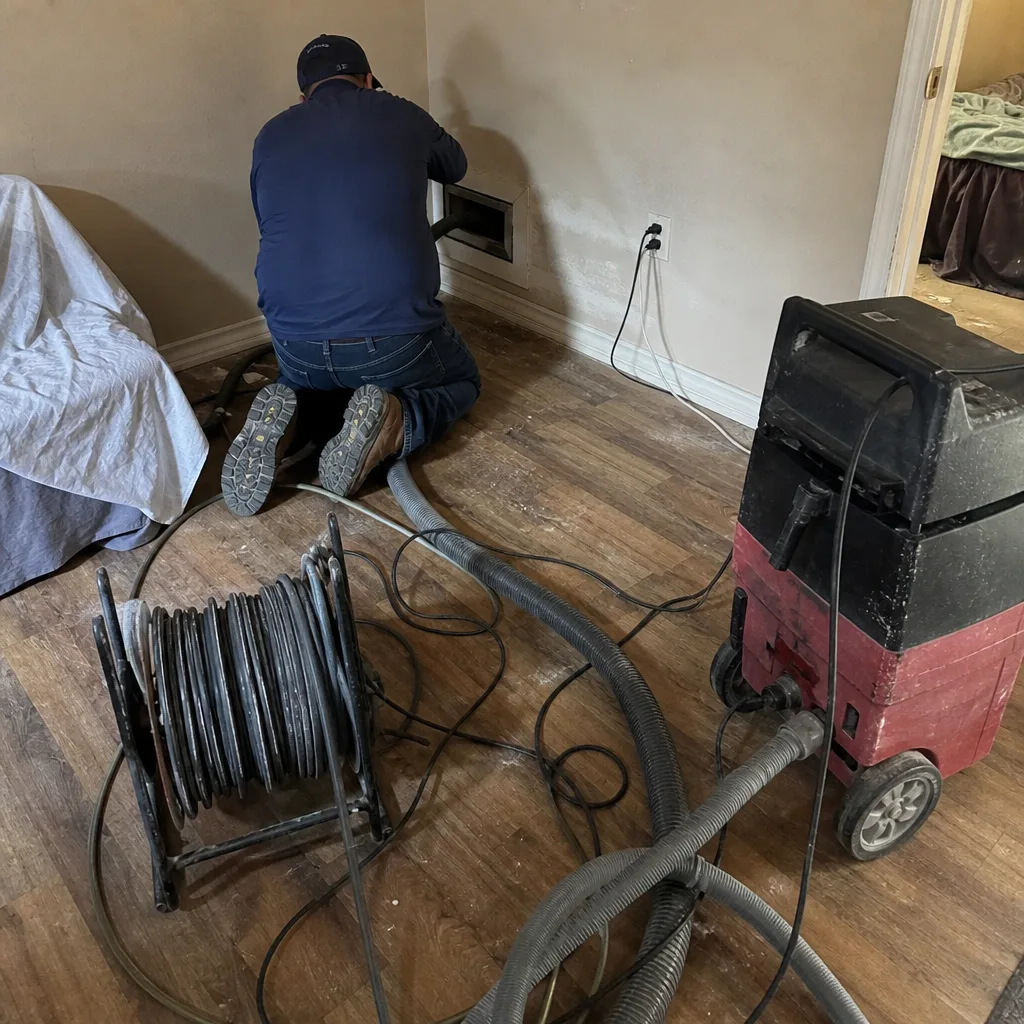 Before
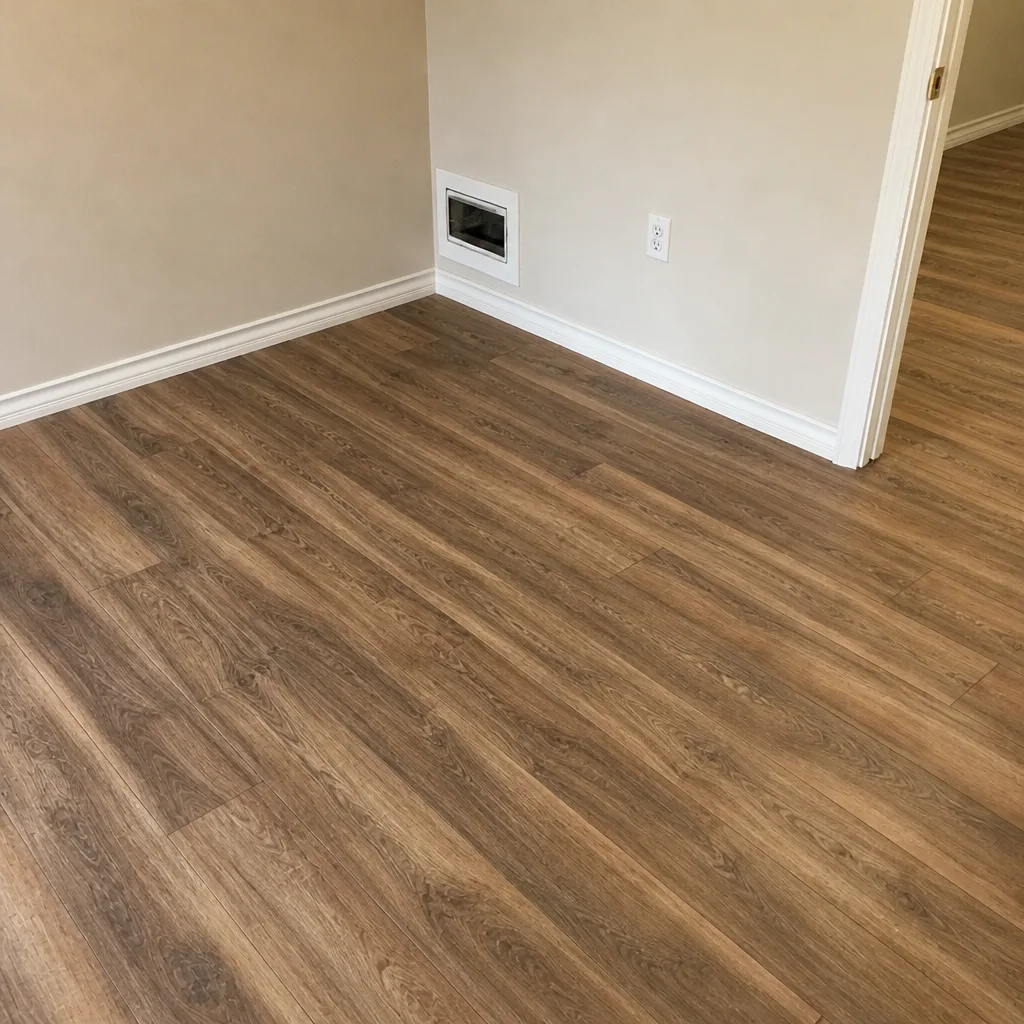 After
Frequently Asked Questions
Most Norman homes should have ducts cleaned every 3 to 5 years. Homes with pets, seasonal allergy sufferers, recent renovations, or a history of storm-dust exposure should go closer to every 2 to 3 years. Call (866) 493-6592 for an exact quote – estimates are free.
Cost depends on the size of the system, the number of registers and returns, and whether a repair is needed. We set one flat price per system, agreed before work starts, and we don’t quote per-vent teaser prices. Call (866) 493-6592 for an exact quote – estimates are free, and the written estimate sets the final price.
Cheap quotes are usually based on a quick pass that doesn’t reach the full ductwork, no source removal agitation, and no before-and-after documentation. Professional equipment – contact cleaning systems and negative-air HEPA units – costs more to run, and it’s what actually moves the contamination out. Call (866) 493-6592 for an exact quote.
Ask for before-and-after photos of your own ducts. That’s the simplest proof. A professional-grade clean includes them, and if a contractor can’t show you the ducts before and after, that’s a question worth asking before you book. Call (866) 493-6592 to schedule.
Yes. The filter is the first line of defense, not the full system. It catches what passes through it, but dust, pollen, and debris still settle on duct walls and register boots over time. The filter and the ducts need to be maintained on the same schedule.
Yes. Dryer vent cleaning is one of our three core services alongside air duct cleaning and air duct repair. It addresses a leading cause of residential fires and a common reason a dryer takes too long. Call (866) 493-6592 for a free estimate.
The Bottom Line
Duct cleaning earns its place on a calendar, not a chore list. Set a rhythm in Norman: filters every 60 to 90 days, grille and return inspections monthly, a professional cleaning every 3 to 5 years under normal use, and closer intervals when pets, allergies, renovations, or storm-dust events shorten the cycle. Match your filter to your equipment rather than upsizing it, watch for the specific triggers – smoke, rodents, post-construction debris, water – that mean call sooner, and keep before-and-after photos and dates in a home record that pays off at resale or when an insurance claim comes up. Duct Cleaning Norman offers air duct cleaning, dryer vent cleaning, and air duct repair across Norman. Call (866) 493-6592 for a free estimate.
Written by the team at Duct Cleaning Norman.