
Last updated November 14, 2026
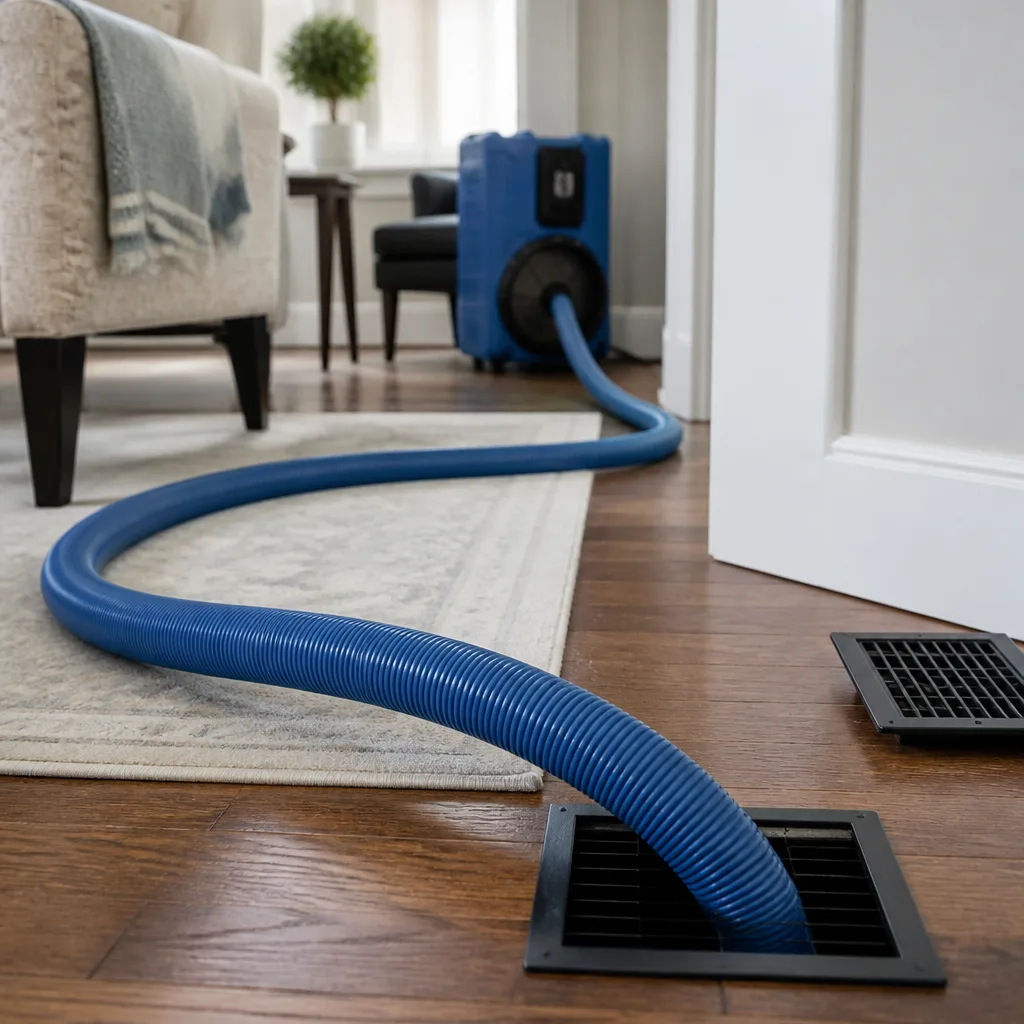 Whole-home duct cleaning
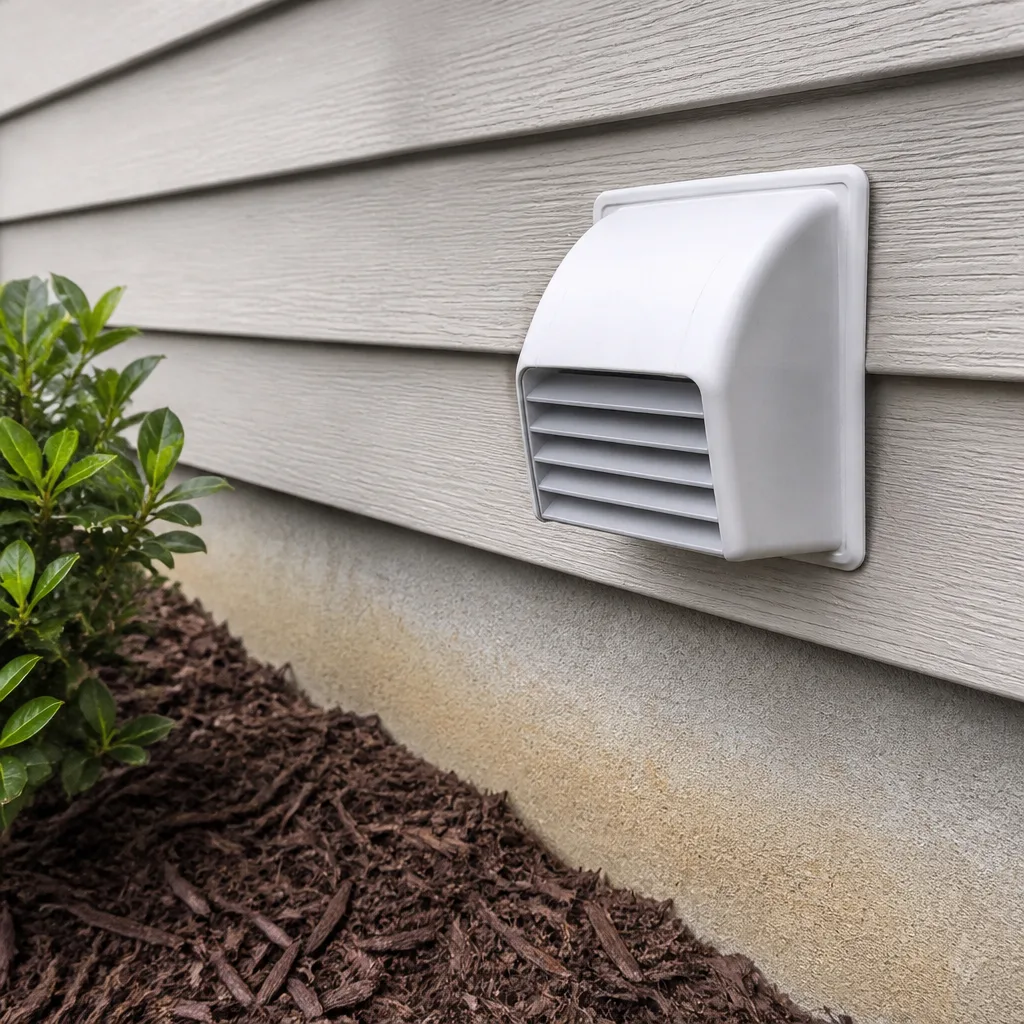 Dryer vent cleaning
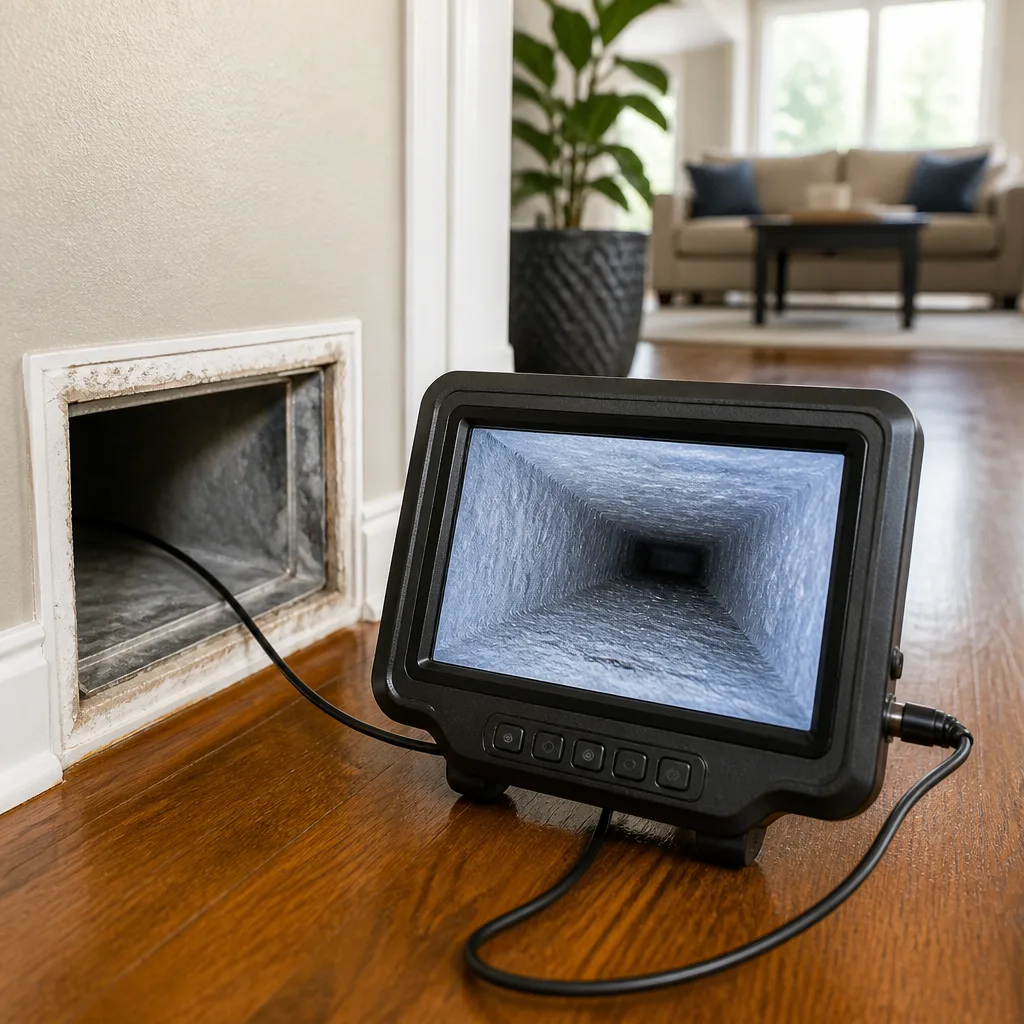 Camera inspection
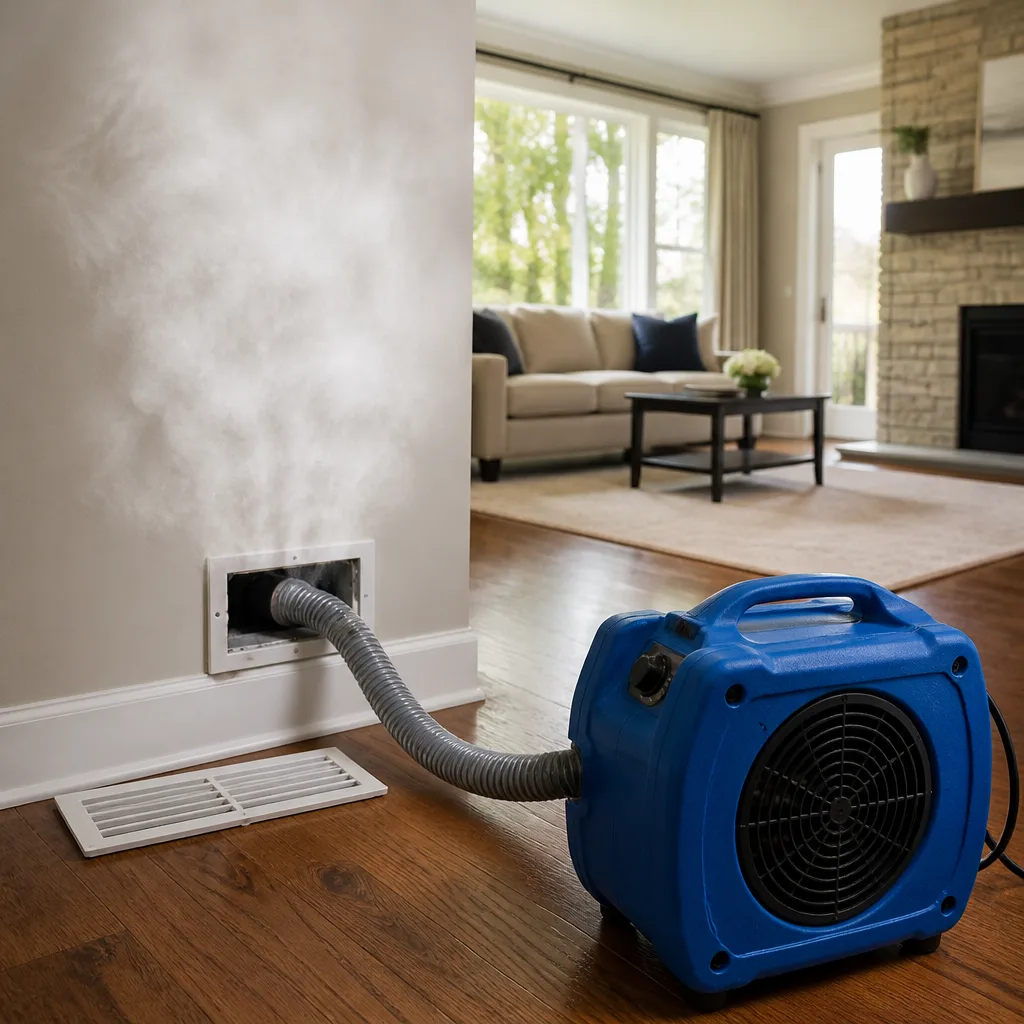 Sanitizing & deodorizing
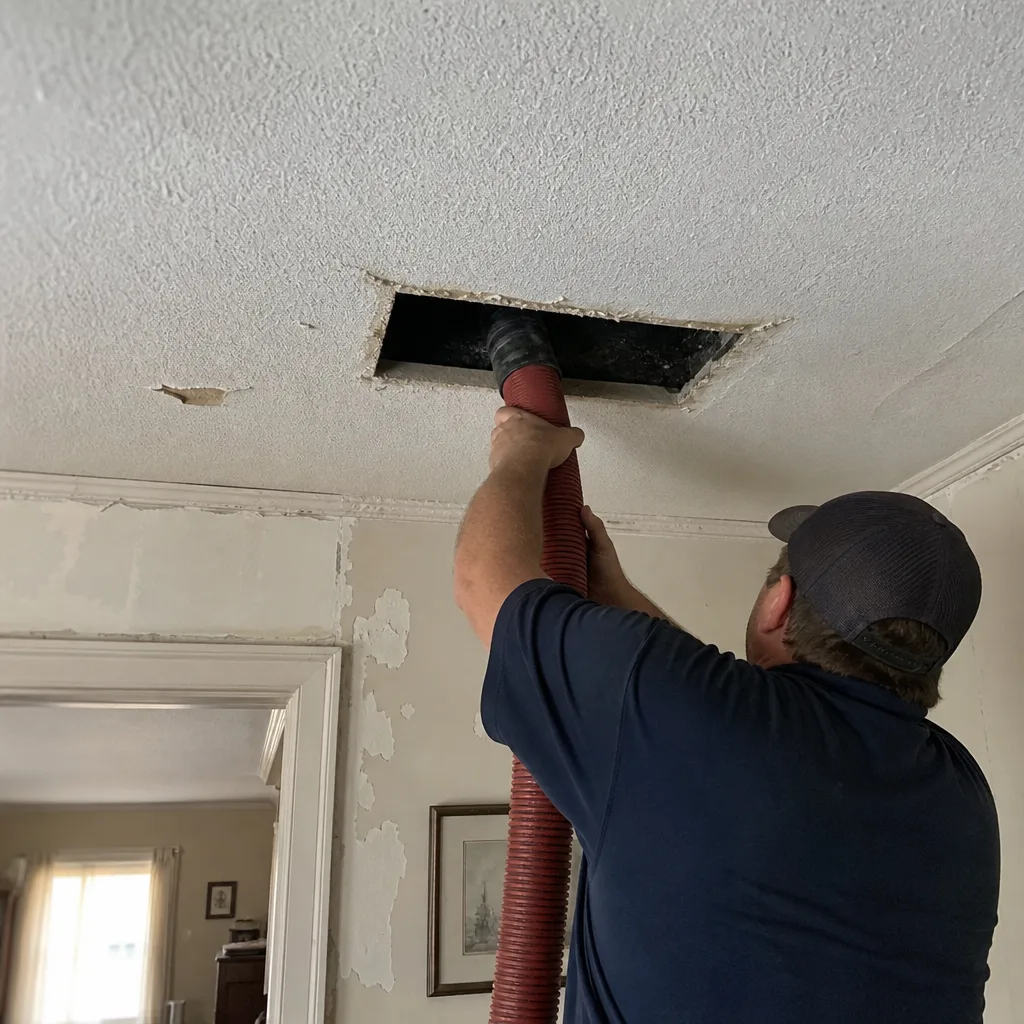
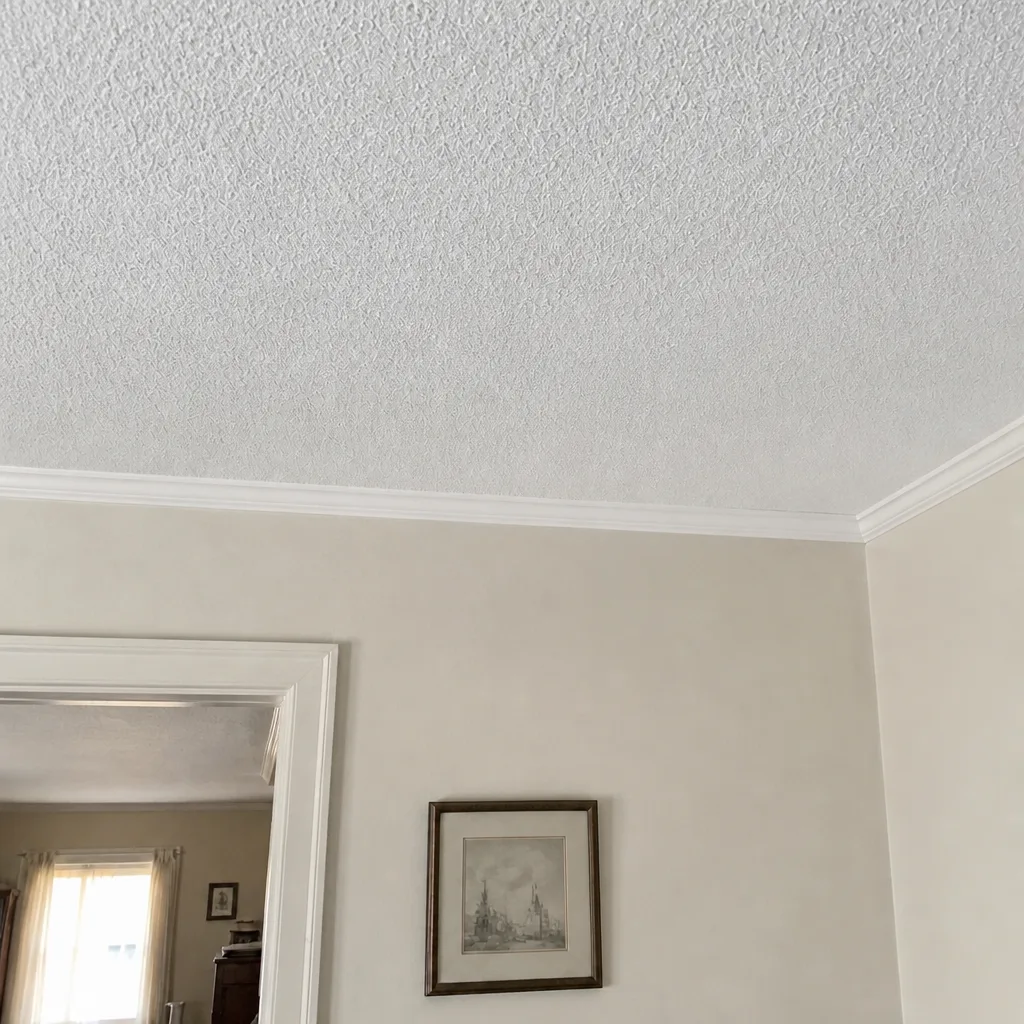
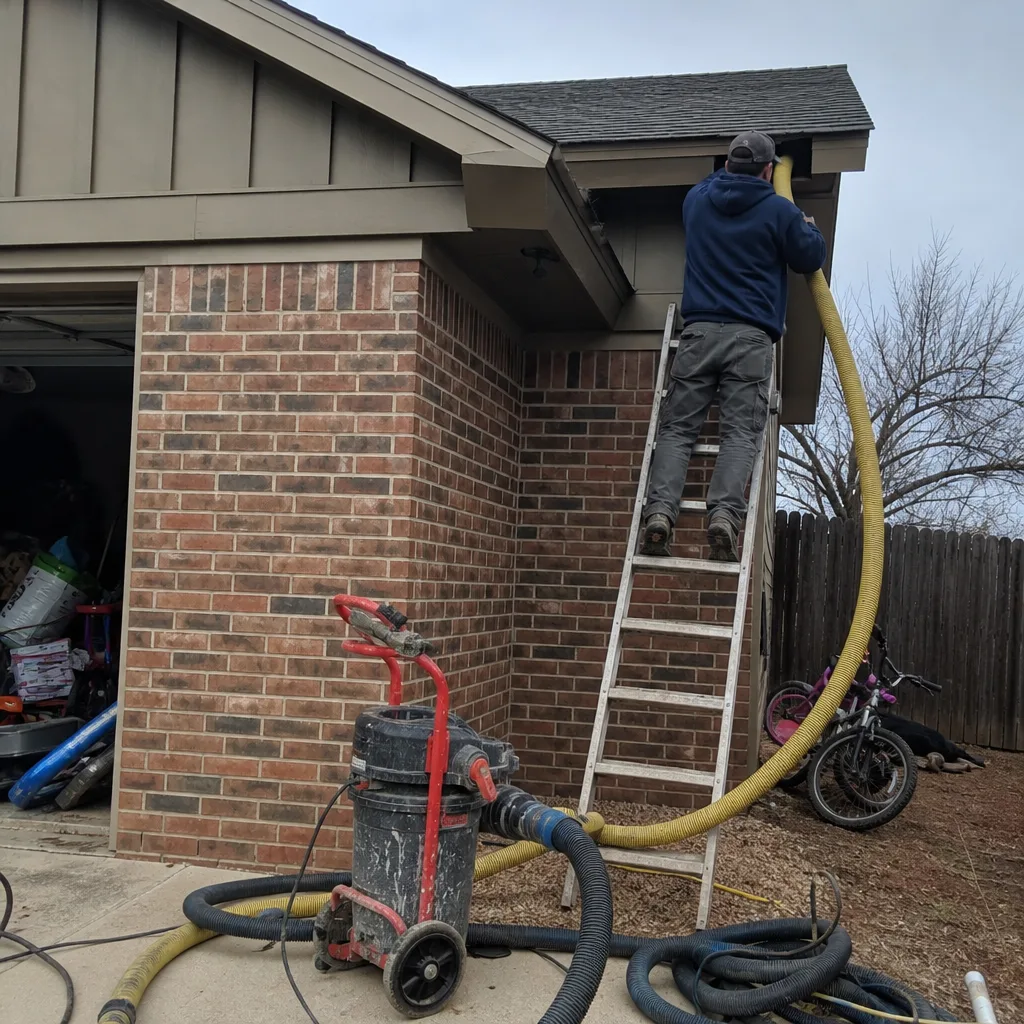
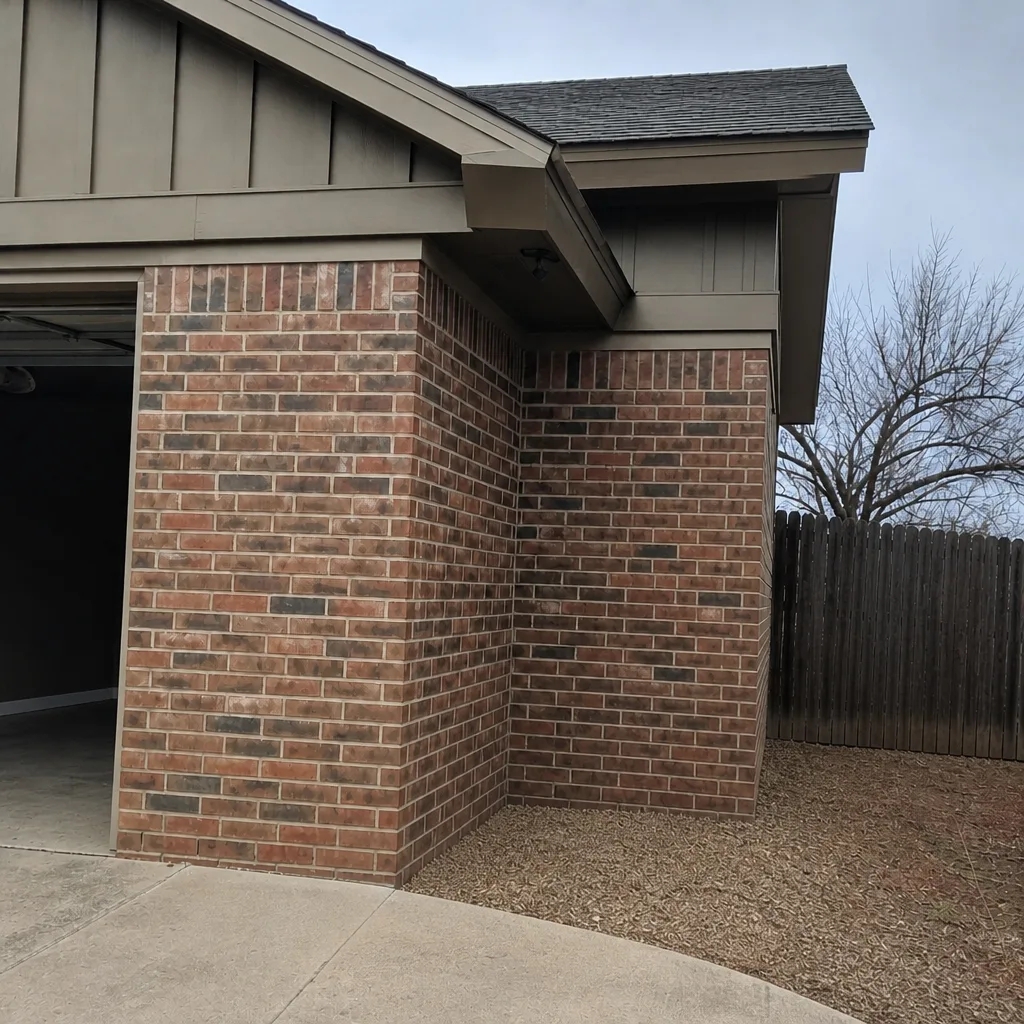
Whole-system duct and dryer vent check with before-and-after photos - you see exactly what came out of your vents
That "$99 whole-house special" is a bait ad - the real number appears once they are in your hallway, or the "clean" is a shop-vac at the register. We photograph the inside of your ducts before and after instead.
Air Duct Cleaning Permits, Codes & Inspections in Norman, OK: What You Need to Know
Here’s the part of duct cleaning nobody explains before the truck pulls up: the cleaning itself usually needs no permit in Norman, but the small repairs that often come with it can. Reseal a disconnected flex run, swap a crushed register boot, or cut a new access panel into a plenum, and your contractor may have just done unpermitted mechanical work in your home. You didn’t ask for it, you didn’t approve it, and you may not even know it happened. This guide walks through what Norman’s building and mechanical codes actually cover, where cleaning ends and modification begins, how to get the scope in writing, what Oklahoma environmental rules say about mold inside ducts, and who at the City of Norman to call when you need to check licensing or report work already done.
Quick Answer
Routine air duct cleaning in Norman, Oklahoma does not require a permit. A permit is triggered when the work crosses into mechanical modification: new duct runs, relocated registers, new access panels cut into ductwork or the air handler, or replacement of components that are part of the mechanical system. Verify the contractor’s scope in writing before work starts, and contact the City of Norman’s building department to confirm any permit that should have been pulled.
Styles & brands we work with
- Whole-home duct cleaning
- Dryer vent cleaning
- Camera inspection
- Sanitizing & deodorizing
Table of Contents
- What Norman’s Building Codes Cover vs. What Falls Outside Permits
- Where Cleaning Ends and Mechanical Modification Begins
- The Specific Tasks That May Require a Permit in Norman
- How to Verify a Contractor’s Work Scope Before the Job Starts
- Oklahoma’s Clean Air Act, EPA Guidance, and Duct Mold
- What an Inspection Covers and How to Request One
- Who to Contact at the City of Norman
- Why Norman’s Climate Makes Duct Condition Matter
What Norman’s Building Codes Cover vs. What Falls Outside Permits
Norman’s building code follows the model codes most Oklahoma cities adopt, with local amendments layered on top. Those codes govern construction, alteration, and repair of buildings and their systems. They are not written to regulate maintenance. That distinction is the whole ballgame when you’re trying to figure out whether your duct cleaning needs a permit.
Here’s the rough split:
- Covered by code and often permit-required: installing new ductwork, rerouting a run, adding or relocating a supply or return register, cutting a new access opening into a duct trunk or plenum, replacing an air handler or major component, and any work that changes the mechanical system’s configuration.
- Generally outside permit scope: removing dust and debris from existing ductwork, cleaning the blower compartment, sanitizing accessible interior surfaces, and routine maintenance that leaves the system’s layout and components as they were.
- The gray zone: sealing leaks, reconnecting a boot that popped loose, replacing a section of flex duct, and installing an access panel where none existed. Whether these need a permit depends on how the work is classified and how much of the system changes.
That gray zone is where homeowners get surprised. A technician who tells you “we just reconnected a couple of runs while we were in there” has described mechanical work. If it wasn’t discussed and documented beforehand, you’re the one holding the result. In our experience across Norman homes, especially older properties near the university and in established neighborhoods off Lindsey Street, disconnected and crushed flex runs are common, and the line between “clean it” and “fix it” gets crossed quietly. Ask which side of that line your job sits on before anyone starts.
Where Cleaning Ends and Mechanical Modification Begins
The cleanest way to think about it: cleaning removes material from a system that stays the same. Modification changes the system. The first needs no permit. The second might.
A few concrete examples of each:
Cleaning-only work, no permit
- Pulling debris from trunks, branches, and runs with a contact cleaning system
- Cleaning the blower wheel and the interior of the air handler cabinet without altering it
- Vacuuming and brushing accessible duct interior surfaces
- Cleaning supply and return registers without changing their position or size
- Dryer vent cleaning, which is maintenance of an exhaust path, not mechanical system work
Modification work, permit question applies
- Replacing a register boot or a section of duct because it’s damaged or disconnected
- Cutting a new access panel into a trunk line or plenum so the system can be cleaned properly
- Sealing duct joints as part of a system-level repair or efficiency upgrade
- Adding, relocating, or resizing a supply or return
- Replacing flex duct runs that have collapsed or been torn by pests
Access panels deserve a specific mention. A good duct cleaning often requires access the system doesn’t already have, and a contractor may cut one to do the job right. That’s reasonable. What matters is that you know it’s happening, that it’s described in the written scope, and that the panel is properly sealed afterward. An unsealed cut in a plenum leaks conditioned air and can pull attic or crawlspace air into the system. If a company cuts first and mentions it later, that’s a scope problem, not a technical one.
If the repair side of the job is bigger than a reseal, that’s where air duct cleaning and our duct repair work separate clearly. Cleaning restores flow through an intact system. Repair rebuilds the system. Only one of those can touch permit territory, and you should know which one you’re buying.
The Specific Tasks That May Require a Permit in Norman
No two jobs are identical, and the City of Norman’s building department makes the final call on any specific project. Still, these are the tasks most likely to need a permit when they’re part of a duct job:
- New duct runs. Adding a supply or return where none existed changes the mechanical system’s design and typically requires a permit.
- Register and boot replacement involving layout changes. Swapping a damaged boot for an identical one is one thing. Moving or resizing the opening is another.
- Access panel cuts into plenums or trunk lines. Often treated as alteration of the duct system, depending on the scope.
- Air handler or component replacement. A mechanical permit is standard for equipment swaps.
- System-level duct sealing presented as an efficiency improvement. When it’s sold as a modification rather than a repair, permit rules can apply.
- Any work that changes how the system is configured, not just how clean it is.
Two rules of thumb make this simpler. First, if the work adds, removes, or moves a component, ask about a permit. Second, if you’re not sure, call the City of Norman and describe the job in plain language. Building department staff answer scope questions like this routinely, and a two-minute call beats a surprise later. It’s free, and it settles the question. We’d rather a homeowner ask us to wait while they make that call than find out months later that a repair needed a permit nobody pulled.
How to Verify a Contractor’s Work Scope Before the Job Starts
A written scope is the single best protection you have against unpermitted work in your home. Verbal descriptions change. A document doesn’t. Ask for the scope in writing and read it before anyone opens a tool case.
Here’s what to look for:
- A line-item list of what gets cleaned and what gets repaired. Cleaning and repair should be separate line items, not bundled into one vague “service.”
- Explicit language about access panels. If a panel will be cut, the scope says so, says where, and says how it will be sealed.
- Named equipment. A professional scope names the system being used: a Rotobrush contact cleaning setup, a Nikro negative air unit, HEPA filtration. Equipment is part of the scope, not an afterthought.
- A clear statement that no mechanical modifications will be made without your approval. This is the sentence that prevents surprises.
- One flat price per system, agreed before work starts. Line-item pricing with no per-vent math and no teaser figure that grows once the technician is on site.
- Before-and-after photos of your own ducts. This is how you confirm the work actually happened, and it should be offered, not requested.
Get a copy of the scope in a form you can save: email, PDF, or a signed estimate. If the job later turns out to have included a modification, that document is your record of what was agreed. It protects you with a future inspector, a future buyer, and your own insurer. Duct Cleaning Norman puts all of this in writing because we believe the scope should be boring and specific. Ask the same of anyone you hire.
One more piece: confirm the company carries general liability coverage and can provide a certificate on request. Ask before the appointment, not after. A contractor who hesitates on that question is telling you something worth hearing.
Oklahoma’s Clean Air Act, EPA Guidance, and Duct Mold
The moment duct cleaning stops being about dust and starts being about mold, the job changes category. It moves from maintenance into environmental scope of work, and the standards that apply are different.
The EPA’s guidance on air duct cleaning is worth knowing because it’s often misquoted by contractors selling a service. The agency’s position is that duct cleaning has never been shown to prevent health problems, and that a lot of what gets sold as “mold removal” inside ducts is not supported by evidence unless visible mold, vermin, or heavy debris is actually present. That doesn’t mean duct cleaning is pointless. It means the reason matters. If you have visible mold growth on duct surfaces, rodent contamination, or a system fouled by renovation debris, cleaning is a legitimate response. If a company is using “mold” as a generic sales hook with no visual evidence, that’s a pressure tactic.
Inside ducts, mold growth almost always points upstream to a moisture source. In Norman’s humid summers, the usual suspects are:
- An oversized or short-cycling air conditioner that can’t pull enough moisture out of the air
- Condensation on cold duct surfaces in an unconditioned attic, particularly where insulation has failed
- Water intrusion from roof leaks or poor drainage around the air handler
- Restricted airflow that lets evaporator coils freeze and then drip into the cabinet
Cleaning moldy ducts without fixing the moisture source is a temporary fix. It will come back. That’s why we don’t treat mold as a cleaning problem. When we see it, we say so, and we point at the moisture. We work with Abatement Technologies filtration equipment on jobs that need containment-level particulate control, but actual mold remediation falls outside what we do, and we’ll tell you when that’s the call you need to make.
If you’re scheduling dryer vent cleaning alongside duct work, know that dryer vents follow their own logic. Lint accumulation is a fire-safety issue, not an air quality one, and it’s the most underrated part of whole-system maintenance in Norman homes.
What an Inspection Covers and How to Request One
A duct inspection isn’t one thing. It depends on who’s looking and why. Knowing the difference saves you from paying for the wrong visit.
Three kinds of duct inspections
- Contractor’s pre-job assessment. The company walks the system before quoting, checks for disconnections, crushed runs, and existing damage, and builds the scope from what it finds. This is part of a free estimate, not a separate service.
- Post-cleaning verification. Before-and-after photos of your own ducts, plus a walkthrough of the system. This is what confirms the work happened and how well.
- Municipal inspection. A City of Norman building inspection is triggered only when permitted work was performed. If no permit was needed, no municipal inspection occurs, and that’s normal.
If a duct repair needed a permit and one was pulled, the inspection happens as part of that permit’s process. If a company performed a modification without a permit, you can still ask the City of Norman to look at the work. That’s the appropriate path when you suspect unpermitted work already happened. It’s not about punishment. It’s about getting an official determination of what was done and what needs correcting.
If your ducts are too damaged to clean effectively, the right response is repair, not more cleaning. Damaged flex runs and separated joints let a cleaning system push debris into the wrong places. We’ve seen this repeatedly in Norman properties where a previous cleaning didn’t deliver results, and the cause was damaged ductwork nobody addressed. Clean, repair, upgrade. In that order.
Who to Contact at the City of Norman
When you need to verify licensing, confirm whether a permit was pulled, or report work already performed, the City of Norman is the authority. Here’s how to route the call:
- Permit questions and permit status: the City of Norman’s building department. Have the property address and, if you have it, the contractor’s name. They can tell you whether a permit exists for a given address.
- Licensing verification: ask the same department or the city’s licensing office which trade credentials apply to your job and how to check them.
- Report work already performed: start with the building department. Describe what was done, when, and by whom, and ask what your options are.
- Questions about code requirements for a specific project: ask before the work, not after. That’s the entire point of calling.
Bring specifics to the call: the property address, a copy of your written scope if you have one, photos of what was done, and the company’s name. Vague complaints go nowhere. Documented ones get handled. Keep your paperwork.
For readers getting oriented to the area, our page on Norman covers the local housing stock and how it affects duct work, which is useful context when you’re evaluating a quote. Older homes in central Norman and around campus tend to have duct layouts that were retrofitted, and retrofits are where scope questions come up most.
Why Norman’s Climate Makes Duct Condition Matter
Norman gets a real range: humid summers that push air conditioners hard, and winters cold enough to run the furnace for months. That pattern is hard on duct systems, and it’s the reason access panel cuts and flex duct repairs show up so often on local jobs.
Summer humidity is the bigger issue. A system with leaking or disconnected ducts is pulling conditioned air out of a house that’s already paying to cool it. In a humid climate, that also means attic air and moisture finding its way into the return side. Over a full cooling season, that’s enough to create the damp conditions mold needs. Insulation failures in a hot attic are equally common, and condensation on cold duct surfaces is exactly the moisture source we described earlier.
Winter brings a different set of problems. Supply boots that pop loose and runs that collapse under insulation settle quietly and cut airflow to rooms on the far end of the house. Homeowners notice as uneven heat, not as a duct problem. Cleaning won’t fix a layout issue. Repair will. That’s why we bring the same professional-grade tools to a small duct repair that we’d bring to a full system clean. A customer who schedules us expecting a cleaning and discovers the real issue is a repair should hear that truthfully before the work starts, not after the invoice is written.
Register covers are worth calling out separately. We use Guardsman covers when a register needs replacing as part of a repair. It’s a small part, but it’s part of the airflow path, and doing it right the first time saves a second visit. Honeywell and Aprilaire filtration products work the same way, letting us improve the system’s filtration at the same appointment when the customer wants that.
Common Mistakes to Avoid
- Assuming cleaning needs a permit. It doesn’t, and a contractor who tells you a permit is mandatory for basic cleaning is overcomplicating the job. Confirm instead whether any repair work in the quote crosses into modification territory.
- Letting a contractor “just fix” ductwork without written approval. Resealing a disconnected run may be mechanical work. Ask for the repair to be itemized in the scope, and sign off on it before anyone touches it.
- Never asking how an access panel will be sealed. An unsealed cut in a plenum leaks air into the system and can pull attic air into your home. Ask for the seal method in writing.
- Choosing on price alone. A quote that’s dramatically lower than the rest usually reflects equipment, not efficiency. A shop-vac-and-leaf-blower setup costs less to run and shows in the results.
- Ignoring moisture when mold is the concern. Cleaning moldy ducts without fixing the humidity or condensation source guarantees a return call. Address the moisture first, then the ducts.
- Not keeping the written scope. If a permit issue comes up later, your documentation is what gets the matter resolved.
- Skipping the dryer vent. In Norman homes where the laundry room shares a wall with an unconditioned space, lint accumulation in a long, restricted run builds faster than most people expect. It’s maintenance with a fire-safety reason behind it.
See the difference
 Before
 After
 Before
 After
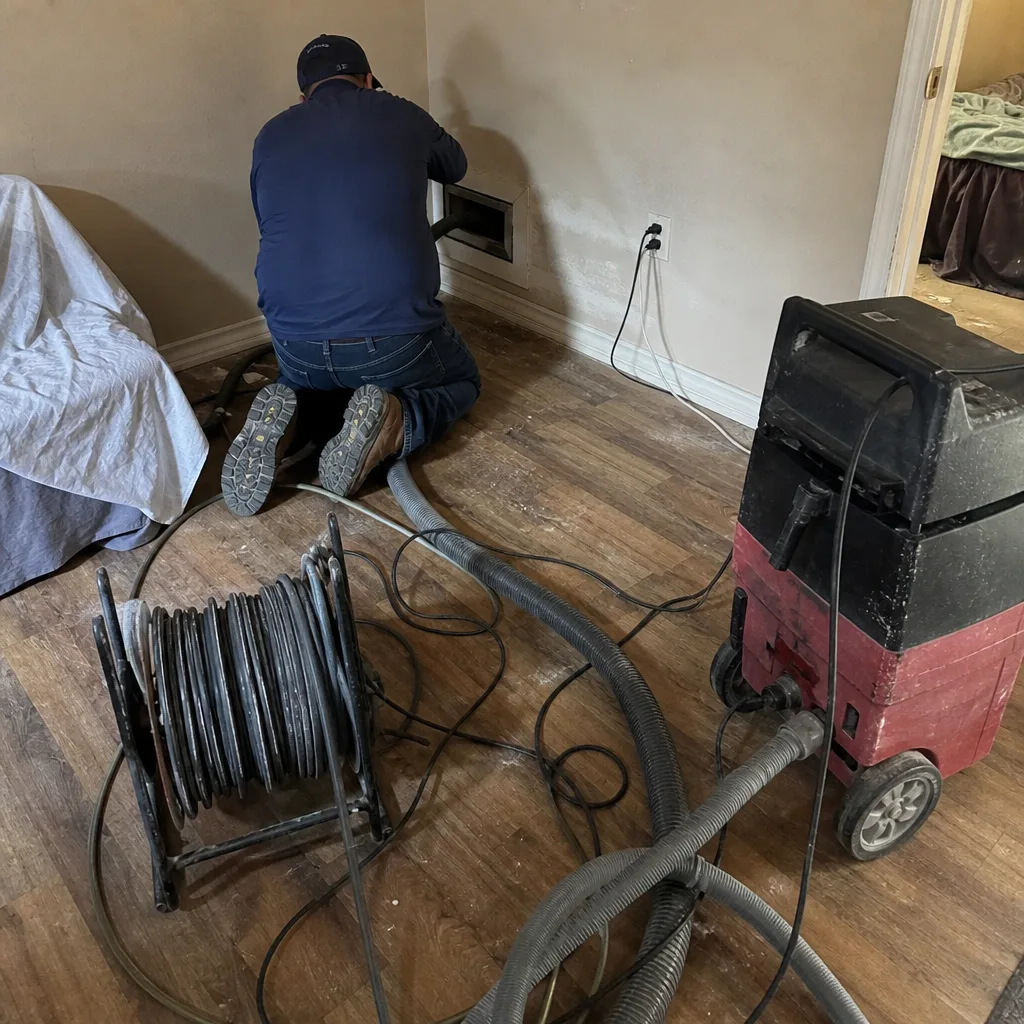 Before
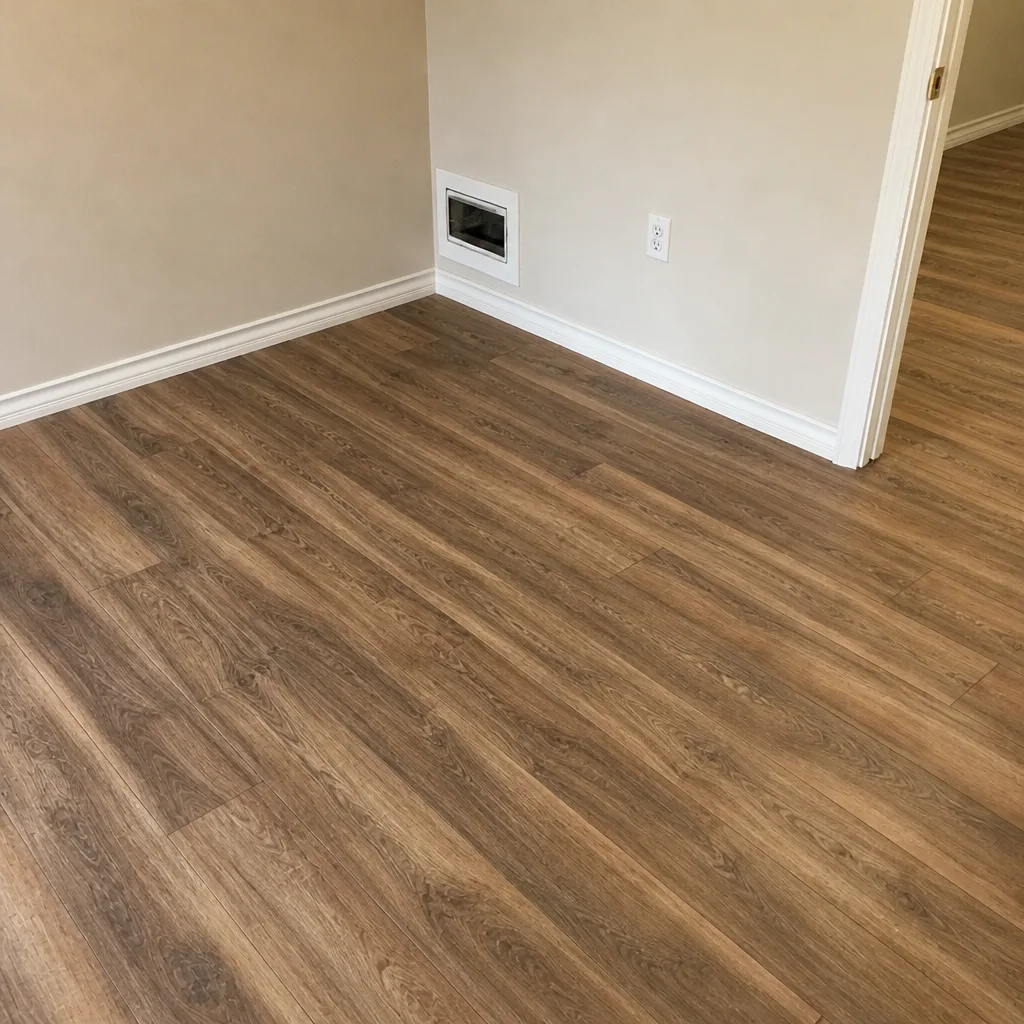 After
When to Call a Professional
Call a professional when you see water staining or visible growth on duct surfaces, when a room never gets airflow it should, or when you’ve had a renovation and want the system cleared before family members with allergies start noticing it. Call when flex duct is visibly torn or collapsed, when a register boot is loose, or when your dryer is taking far longer than it should to get clothes dry. And call before you authorize any repair work that touches the duct system, so the scope is in writing and the permit question gets answered up front. Duct Cleaning Norman offers free estimates in Norman. Reach us at (866) 493-6592. We answer 24/7. Fast dispatch from 7am to 7pm, Sunday through Friday, and we’re closed Saturday.
Frequently Asked Questions
No. Routine cleaning of existing ductwork does not require a permit in Norman. A permit applies when work changes the mechanical system: new runs, moved or resized registers, access panel cuts into ductwork or plenums, and component replacements. Call (866) 493-6592 for an exact quote on your system, estimates are free.
It depends on how the City of Norman classifies the specific cut, and your contractor should confirm before proceeding rather than after. Some access panel installations are treated as duct system alteration and others as standard cleaning access. Ask for it in writing, and call the building department if you want a definitive answer.
Contact the City of Norman’s building department and ask which credentials apply to mechanical work in your area and how to verify them. Ask the contractor for a certificate of general liability coverage before the appointment. A company that won’t provide one is telling you something.
Start with the City of Norman building department. Bring the property address, the contractor’s name, your written scope if you have one, and photos of the work. They can tell you whether a permit should have been pulled and what steps come next.
It depends on system size, access, and whether repairs are needed, which is why any honest answer is a range rather than a coupon number. Ask for one flat price per system in writing before work starts. Call (866) 493-6592 for an exact quote, estimates are free.
Less often than most sales pitches suggest, and more often than never. Visible mold, vermin contamination, renovation debris, and heavy debris buildup are the real triggers. In our experience in Norman, homes with pets, older systems, or recent construction benefit most. Call (866) 493-6592 for an honest assessment of your system, estimates are free.
One more question that comes up often: why are some quotes so much cheaper? Usually because they’re not the same job. A dramatic low quote often means a shop-vac in a trunk line, no negative air containment, and no before-and-after photos. We use Rotobrush contact cleaning systems and Nikro negative air equipment because they’re what produces a verifiable result. If a quote is far below the rest, ask what equipment it covers and whether you’ll get photos of your own ducts before and after. Call (866) 493-6592 for a free estimate from Duct Cleaning Norman. We answer 24/7. Fast dispatch from 7am to 7pm, Sunday through Friday.
The Bottom Line
Cleaning your ducts in Norman doesn’t need a permit. Changing your ducts might. That’s the distinction worth carrying away from this guide. Get the scope in writing, ask specifically whether anything crosses into mechanical modification, confirm how any access panel will be sealed, and keep your paperwork if a question comes up later. If mold is the concern, fix the moisture source, not just the duct. If work was already performed and you’re unsure whether it was permitted, call the City of Norman. We’re straightforward about what needs a permit and what doesn’t, and we’ll tell you which side of the line your job falls on.
To schedule a free estimate in Norman, call us at (866) 493-6592. We answer 24/7. Fast dispatch from 7am to 7pm, Sunday through Friday, and we’re closed Saturday.
Written by the team at Duct Cleaning Norman.