
Last updated November 14, 2026
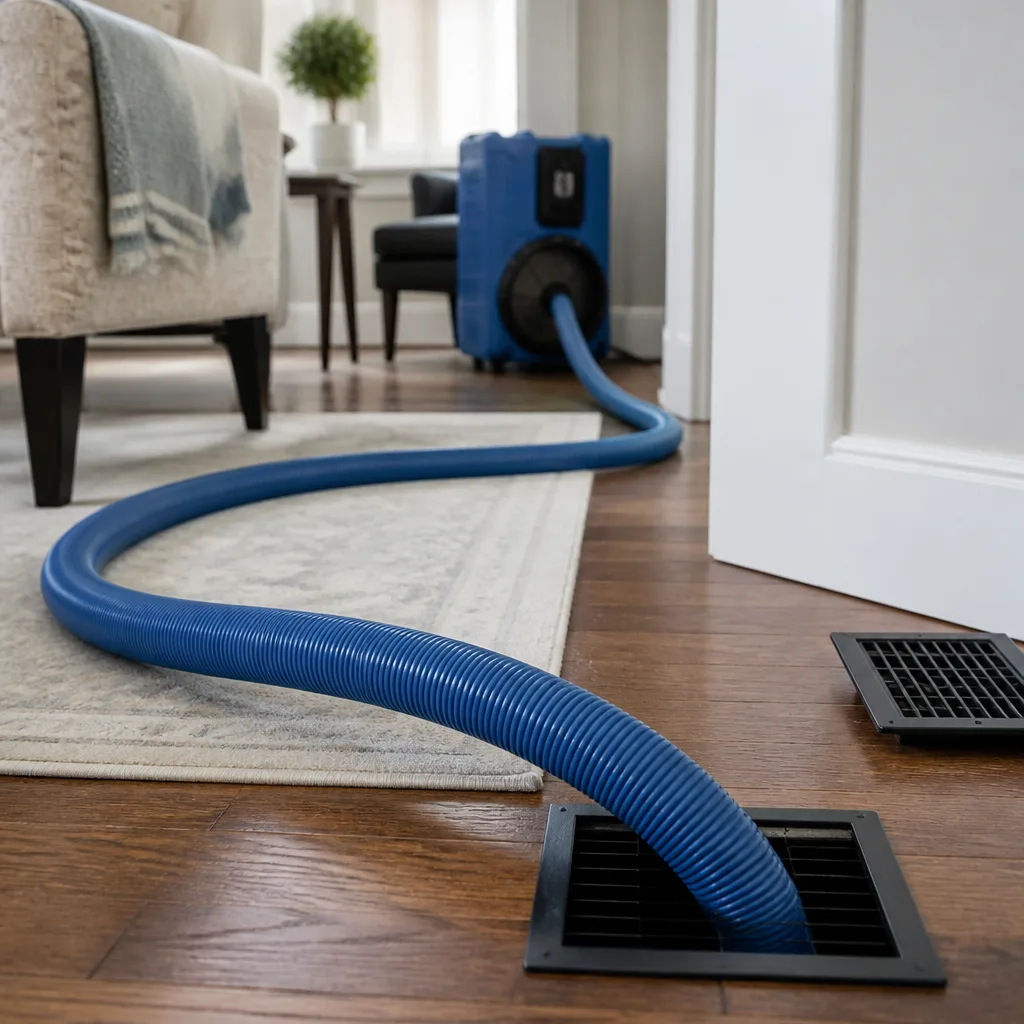 Whole-home duct cleaning
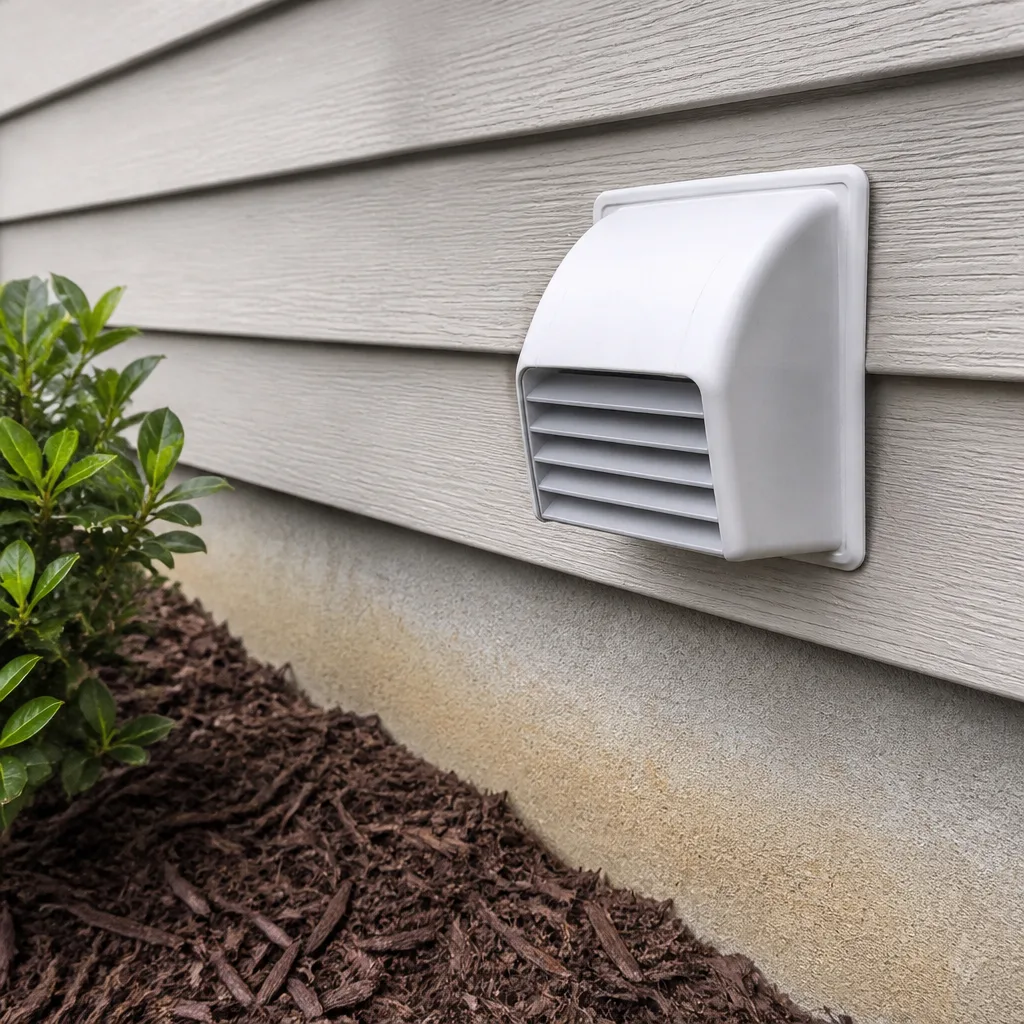 Dryer vent cleaning
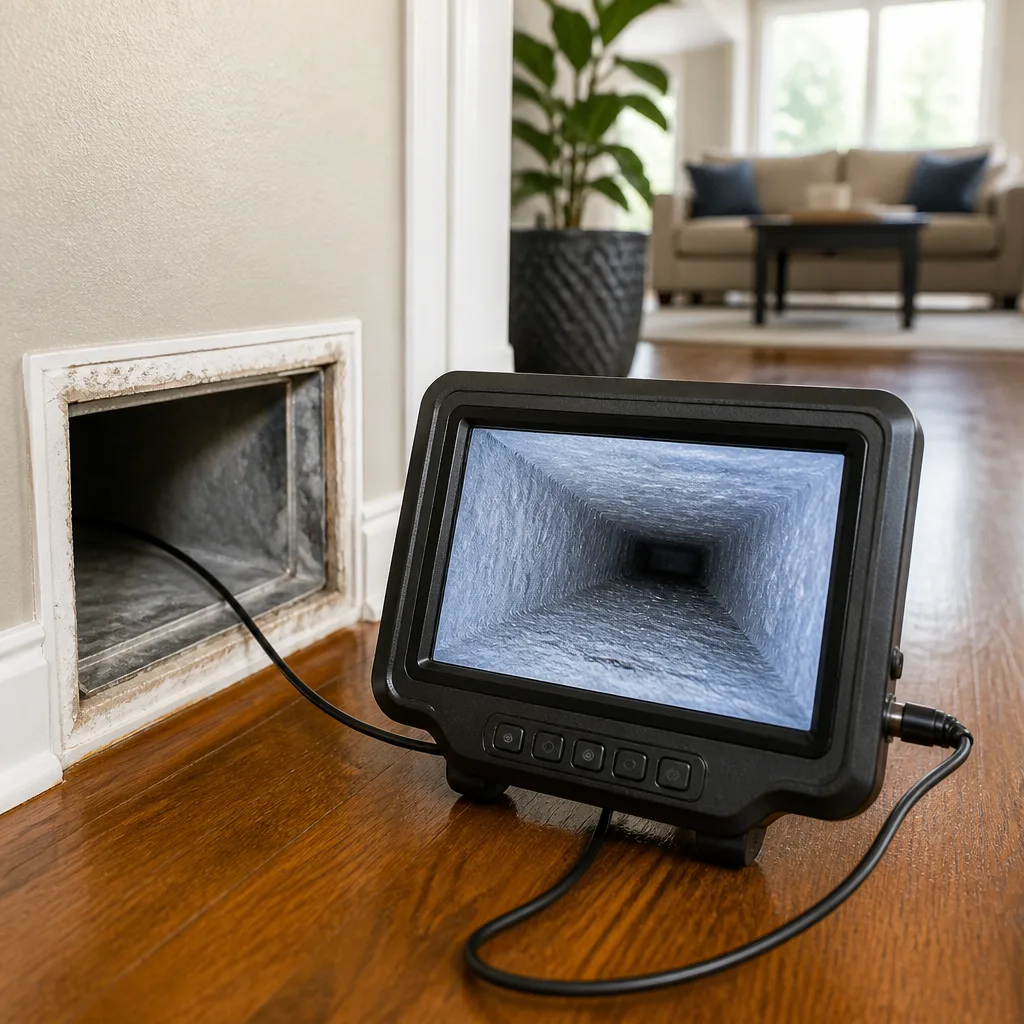 Camera inspection
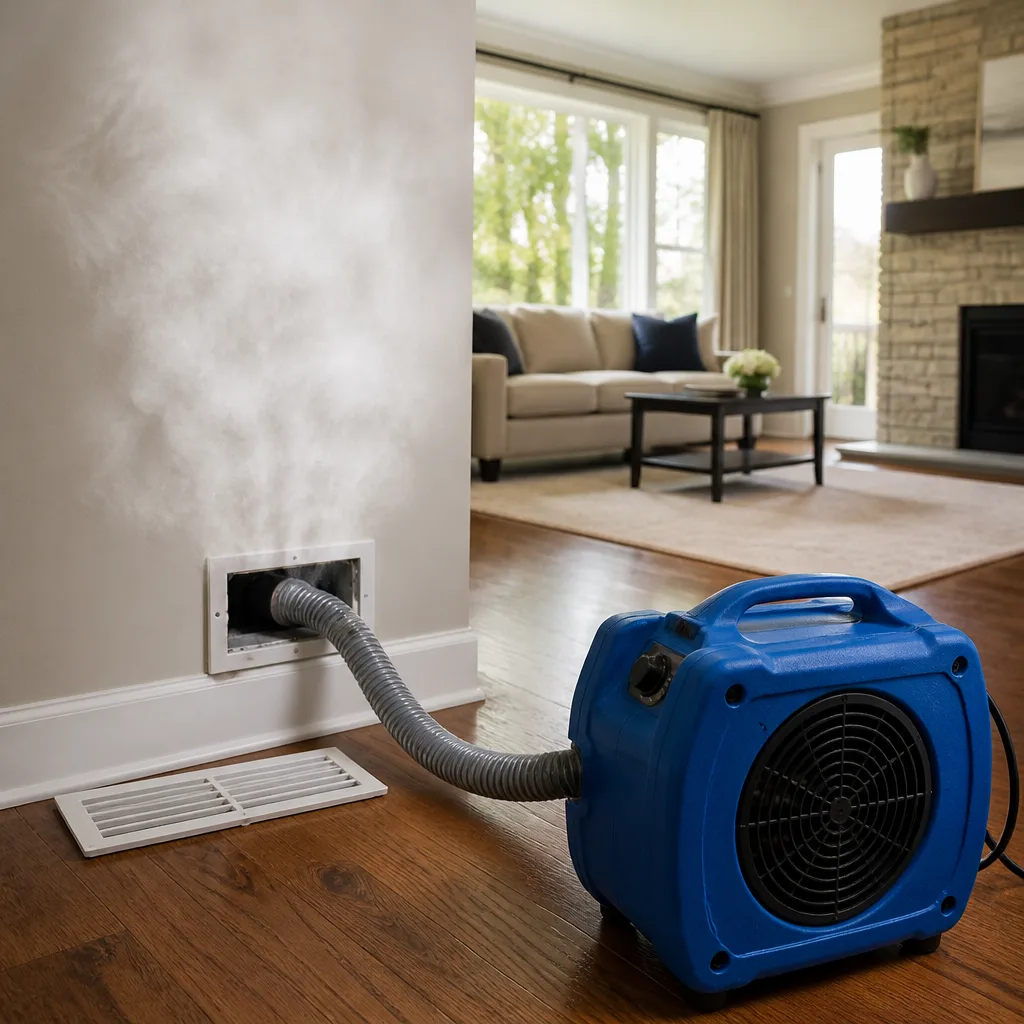 Sanitizing & deodorizing
Whole-system duct and dryer vent check with before-and-after photos - you see exactly what came out of your vents
That "$99 whole-house special" is a bait ad - the real number appears once they are in your hallway, or the "clean" is a shop-vac at the register. We photograph the inside of your ducts before and after instead.
Choosing the Right Air Duct Cleaning Brand: A Buyer’s Guide for Norman
Most homeowners have no reason to know what a Nikro Industries negative-air machine is. But HVAC remediation contractors and industrial hygienists do, and they specify it by name on jobs where particulate containment actually matters. That gap, between what the trade knows and what the homeowner can see from a quote form, is where most duct cleaning decisions go wrong. A flashy page and a low number tell you nothing about the machine that will run through your ducts. This guide walks through what Rotobrush, Nikro, and Abatement Technologies equipment is built to do, what questions reveal real capability, and how to evaluate a duct cleaner in Norman before you commit.
Quick Answer
The right air duct cleaning brand is the one whose equipment and process you can verify against the standard the trade itself uses: rotary contact cleaning with simultaneous vacuum capture, containment-grade negative air where needed, and technicians trained on the specific machines on the job. Ask what equipment will be used, who owns it, and how the crew learned to run it. A contractor who can answer those questions plainly, and who can also handle repair and dryer vent work, is usually the one worth hiring.
Styles & brands we work with
- Whole-home duct cleaning
- Dryer vent cleaning
- Camera inspection
- Sanitizing & deodorizing
Table of Contents
- Why Equipment Is the Clearest Signal of Process
- What Rotobrush Is Designed to Do
- What Nikro Negative-Air Equipment Is Built For
- What Abatement Technologies Equipment Addresses
- Questions That Reveal Real Equipment vs. Rentals
- Why Technician Training Matters as Much as the Brand
- The Norman Context: Home Age, Climate, and Duct Health
- Why Clean, Repair, and Upgrade Belong in one Decision
Why Equipment Is the Clearest Signal of Process
Equipment is the part of a duct cleaning quote a homeowner can actually check. Price and reviews are easy to fake or explain away. The machine in the van is not. A contractor running professional-grade systems has spent on a piece of equipment that only makes sense if the work itself is the business. A contractor showing up with a shop vac and a brush on a pole has spent on almost nothing, which tells you how they value the job.
In our view, the equipment question is not snobbery. It is a shortcut to the real question: does this crew treat duct cleaning as its trade or as a small add-on between other jobs? A specialist buys the tools that match the standard. A generalist buys whatever is cheapest to carry.
There is a second reason equipment matters here. Dust and debris inside a duct system do not stay where you knock them loose. A brush without strong containment just moves the particulate around the house. The machine is not a nice-to-have on top of the cleaning; it is the difference between cleaning and redistribution. That distinction is what a homeowner is actually paying for.
The good news is that brand names can be looked up. Rotobrush, Nikro, and Abatement Technologies are real manufacturers with documented product lines designed for the professional trade. Anyone can learn what those machines do in an afternoon. The rest of this guide is the short version.
What Rotobrush Is Designed to Do
Rotobrush is a rotary contact cleaning system. The key word in that phrase is contact. A pneumatically driven head with soft whip lines physically reaches the interior surfaces of the duct, loosens what has bonded there, and works in concert with a simultaneous vacuum that captures the loosened material before it drifts back into the room. A brush on a rod pushes dust around. A contact cleaner with live capture removes it.
Why this matters for Norman homes in particular comes down to duct material. Many homes in this area run flex duct, and quite a few older builds in neighborhoods like Brookhaven and the areas around the University of Oklahoma have fiberglass-lined trunk runs. Both are rough on the inside by design. Flex has ribs that trap dust at every fold. Liner has a fibrous surface that grabs fine particulate. A soft-contact rotary head moves with those surfaces rather than shredding them, which is exactly what you want on a lined system. An abrasive brush can tear a liner; a properly run contact head should not.
The simultaneous capture part is what stops the job from becoming a whole-house dust event. Without it, loosened material exits at supply registers and settles on your furniture and in your HVAC coil. With it, the material has a destination.
Rotobrush is also the realistic entry point for a homeowner who wants to know whether a quote is serious. If the answer to “what equipment will you run?” is a brand the technician can name and describe, you are halfway to a better decision.
What Nikro Negative-Air Equipment Is Built For
Nikro Industries is a name you will hear from mold remediators and restoration contractors more than from homeowner-facing cleaners. Their machines are built for high-static negative air pressure, which is what contractors use when they need to hold a work zone under containment so particulate moves toward the filter, not out into the occupied space. Negative air is not just “more suction.” It is a pressure differential, and it is the reason a remediation contractor can work inside a contained area and keep the rest of the building clean.
Why should a Norman homeowner care? Because the residential duct system is a large, connected volume with registers in every room. Any cleaning operation that loosens significant debris has to manage where that debris goes. A machine that can hold a room or a trunk line under negative pressure while work happens is doing a materially different job than one that simply vacuums a register.
In our experience, a contractor who owns Nikro-class equipment tends to think in terms of pressure and containment rather than a single pass with a shop vac. That shows up in how they set up before they start, how they stage registers, and how they handle the transition between the supply side and the return side of the system.
This is also where the trade-vs-generalist distinction gets concrete. Consumer-grade vacuums can’t hold negative pressure across a duct system. The specification matters, and the brand on the machine is the easiest way to confirm which class of tool is on the job.
What Abatement Technologies Equipment Addresses
Abatement Technologies is a manufacturer that sits on the remediation and restoration side of the trade. Their HEPA-filtered negative air machines are specified where particulate containment is a code or liability requirement, not a preference. That is the environment their equipment is designed for. HEPA filtration on a negative-air machine captures fine particulate before it returns to the space.
For a homeowner, the useful takeaway is this: a cleaner who stocks Abatement Technologies equipment has capability beyond basic debris removal. It signals that the crew can run a HEPA-filtered containment setup when a situation calls for it. A renovation that kicked up drywall dust through the returns, a system that has had water intrusion into the ductwork, or an older home with a return chase that has never been cleaned are all situations where containing fine particulate is worth more than a quick pass with a vacuum.
That level of capability also tends to come with a different set of questions from the crew. They want to know what the system has been through, not just how many registers it has.
Walker and the neighborhoods off Lindsey Street sit on the same kind of housing stock as the rest of Norman, which means the same potential for fine particulate spread through the returns after any interior project. Containment-grade equipment is the right answer to that problem, and it is a question a homeowner can ask about without knowing anything technical.
Questions That Reveal Real Equipment vs. Rentals
The best way to learn whether a quote is serious is to ask about the equipment without making it an interrogation. Phrase each question as curiosity, and let the answer tell you what you need. A contractor who is proud of their tools will answer in plain language. A contractor who is bluffing will stall or shift the conversation.
- “What brand of machine will you run on my system?” A name you can look up is a good sign. An answer like “we use a commercial vacuum” is not a brand, and you can say so without being confrontational.
- “Is the vacuum running the whole time, or in a separate pass?” Contact cleaning with simultaneous vacuum capture is the trade’s standard. If the vacuum shows up after the brush, ask why.
- “Do you own the equipment or rent it?” Either answer can be fine, but ownership usually means the crew is fluent in that machine. Rental usually means the equipment changes with the job.
- “How do you handle the return side?” A serious crew has a specific answer for how they clean and contain a return that is often dirtier than the supply trunks.
- “What do you do with flex duct and fiberglass liner?” The answer should mention soft contact tools and liner-safe technique, not a standard metal-duct brush pass.
- “Can you show me before-and-after photos of my own system when you finish?” A crew that runs proper equipment usually wants to show the work. A crew that wants to leave quickly usually won’t offer.
None of these questions requires you to be technical. They simply narrow the field to contractors who can explain what they will do and why.
Why Technician Training Matters as Much as the Brand
Equipment brand gets you to the right shelf, but the person running the tool determines whether the job is done right. Rotobrush, Nikro, and Abatement Technologies machines are designed for professional use precisely because the operating technique matters. A contact cleaner run at the wrong speed or angle can damage a liner. A negative air machine placed in the wrong location does not hold containment. The tool is a specification. The technician is the execution.
Our technicians have up to 13 years of experience, and the training question is the one we get asked least often and wish more homeowners would ask. Use these to guide the conversation:
- “Who taught the crew to run this specific machine?” Manufacturer training, in-house training, and on-the-job learning are different things, and it is fair to ask which applies.
- “How long has this technician been running this equipment?” Tenure with the tool matters more than tenure in the trade as a whole.
- “What is your procedure when the liner looks compromised?” The answer should mention inspection and a plan for repair, not just “we clean around it.”
- “Do you keep a written record of the job?” A documented before-and-after is a sign of a crew that treats each system as a job worth doing carefully.
Training with specific equipment is not a formality. It is the reason professional cleaning is a skill rather than a checklist. When Duct Cleaning Norman evaluates a system, the technician’s fluency with the machine on the job is what makes the difference between a cleaned duct and an agitated one.
The Norman Context: Home Age, Climate, and Duct Health
Norman has a long cooling season and a real heating season, which means the HVAC system runs hard across most of the year. Every cycle pulls air through the return, past the filter, and out through the supply trunks. Dust, pollen, and construction debris that gets past the filter end up in the ducts. The longer the run season, the faster that buildup accumulates.
The city’s housing stock adds a second variable. Norman has a wide spread of home ages, from mid-century builds in established neighborhoods to newer construction on the edges of town. Older homes often have ductwork that has never been cleaned, liner that has aged, and return chases tucked in odd places. Newer homes often have tighter envelopes, which makes the return path more important because the system has to move more air per square foot of living space.
Two local specifics are worth knowing before you hire:
- Renovation and remodel dust. A kitchen or bath project sends fine drywall dust through the returns if the system runs during the work. A HEPA-filtered containment setup is the right answer, and it is exactly what Abatement Technologies equipment is built for.
- Allergy season in Norman. The area’s pollen load in spring is significant, and a clean system with a proper filter upgrade makes a real difference. That is why integrating an Aprilaire or Honeywell filter at the same appointment is worth considering.
If you want a shortcut to the local picture, start with our Norman page. It lays out the specific homescape characteristics that shape how duct cleaning gets done here.
Why Clean, Repair, and Upgrade Belong in One Decision
A duct system has three health questions, not one. Is it clean? Is it intact? Is it filtering well? A cleaner that only answers the first leaves you calling a second and third contractor. That is why the sharpest equipment brands matter beyond the cleaning pass itself: they support a whole-system decision.
When a system has been through air duct cleaning, the inspection often turns up the second question. Seams pulled apart, liner torn at a joint, a flex run that has collapsed inside a joist bay. Air duct repair is the answer, and it belongs in the same visit as the cleaning so the system isn’t re-contaminated by a partial fix. Duct Cleaning Norman treats repair as one of three focused services for exactly this reason.
The third question is filtration. Aprilaire and Honeywell products integrate into a system at the return, which lets a homeowner improve filtration with a filter cabinet or media filter rather than a cheap fiberglass panel. Adding that at the same appointment as a cleaning and any repair avoids a second set of trips and gives you one clean baseline.
There is a fourth service that closes the loop: dryer vent cleaning. A clogged dryer vent is one of the leading causes of residential fires, and the same airflow logic that makes a duct system worth cleaning applies to the dryer exhaust. A specialist who handles duct cleaning, repair, and dryer vent work in one visit is doing something a generalist handyman service rarely can.
Common Mistakes to Avoid
- Hiring on price alone. A very low number often means a shop vac and a brush. The right question is what equipment is on the job, not what the quote says at the top.
- Not asking what happens to the debris. If the vacuum is not running while the brush is, the dust is going somewhere, and that somewhere is your living room. Ask about simultaneous capture.
- Assuming all duct cleaning is the same. Contact cleaning with containment is a different job from a single vacuum pass. The trade’s standard is the first, and the equipment brand is how you tell the two apart.
- Ignoring the return side. The return often holds more debris than the supply trunks. A crew without a specific answer for the return is not doing a whole-system clean.
- Skipping the repair question. A system that gets cleaned without inspecting for torn liner and pulled seams is a job half done. Ask about repair capability before the appointment, not after.
- Forgetting the dryer vent. Many duct cleaners skip it. It is the one vent in the home with a direct fire-safety reason to be cleaned.
- Not asking for before-and-after photos of your own system. Stock photos do not prove anything. Photos taken inside your ducts, before and after, do.
See the difference
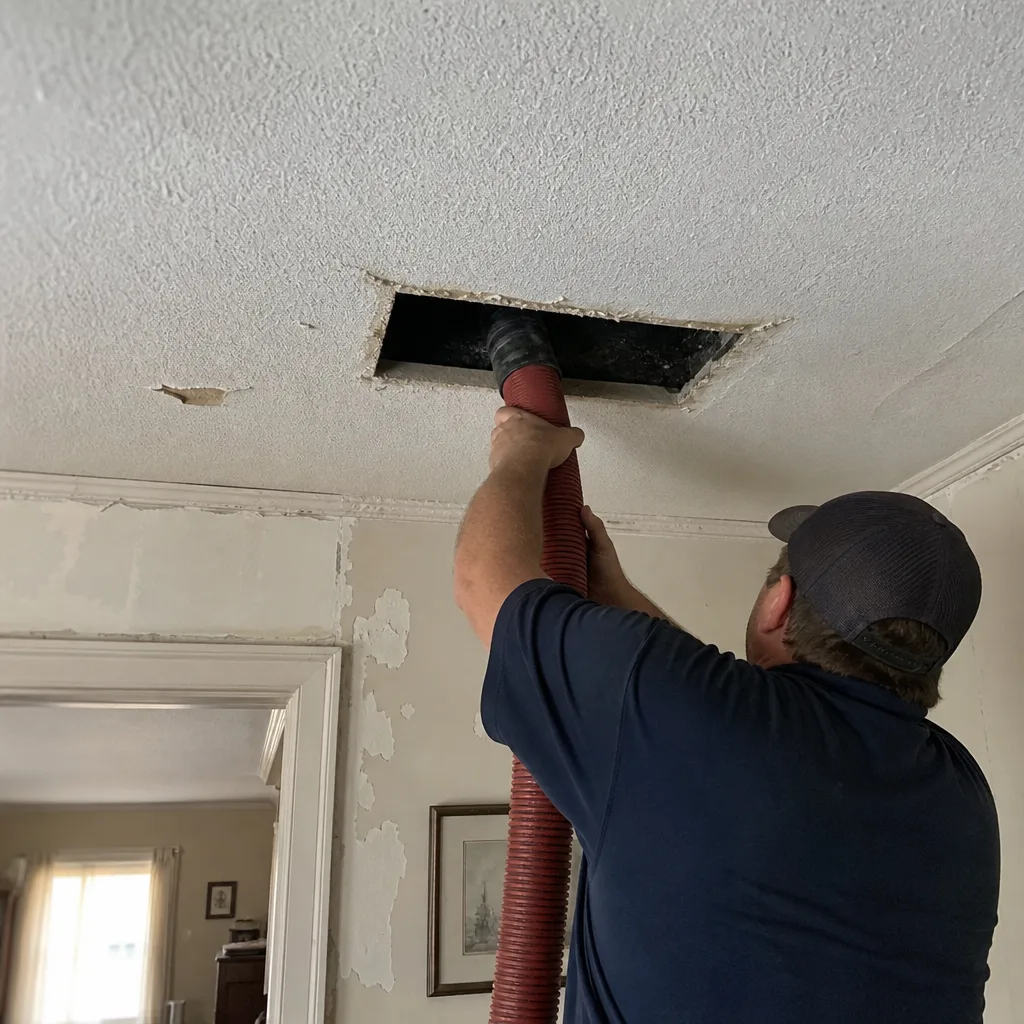 Before
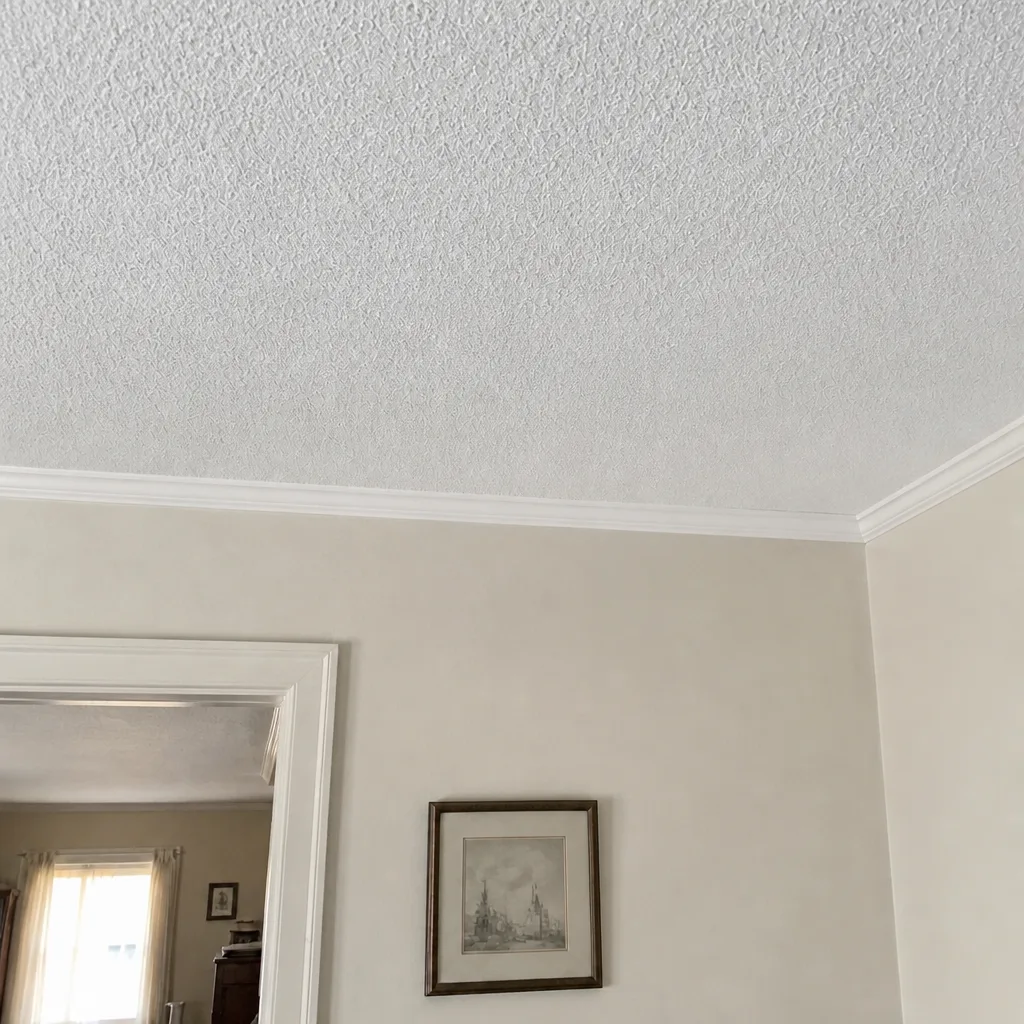 After
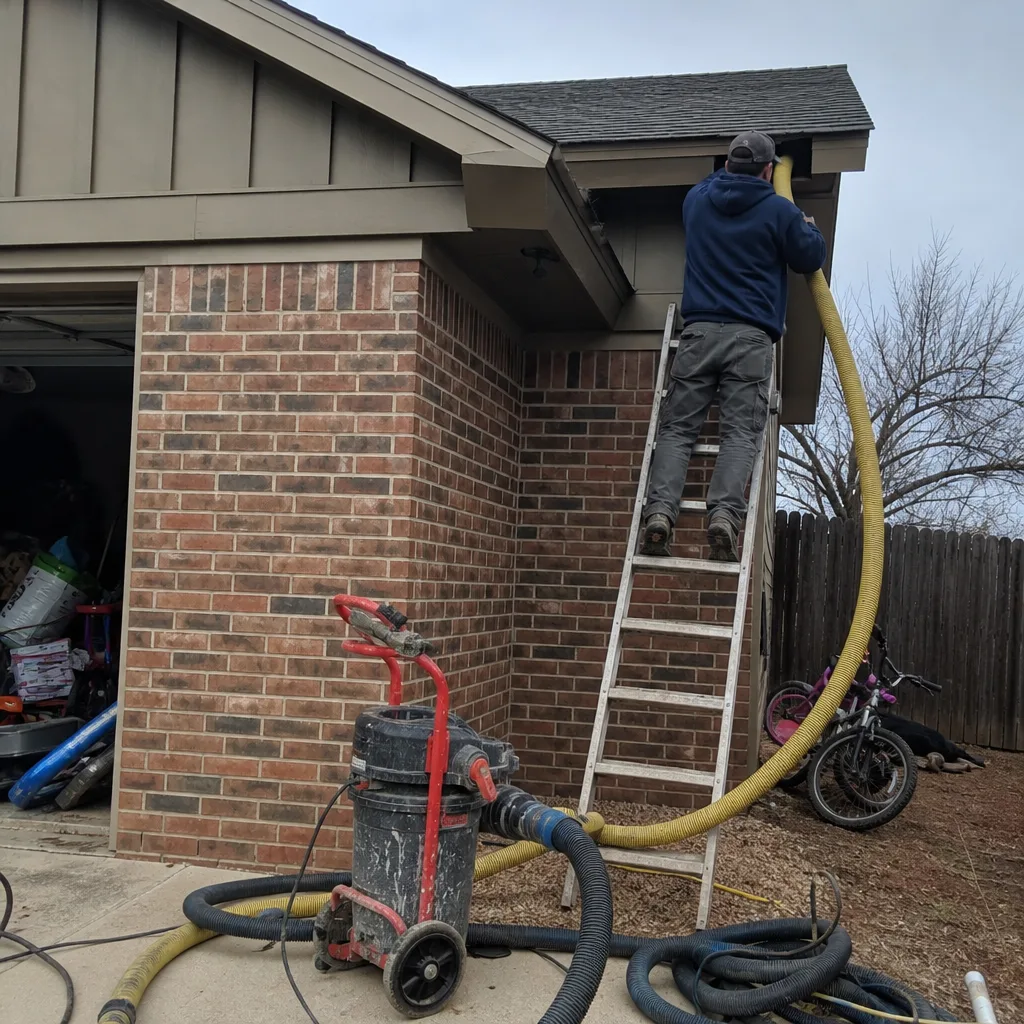 Before
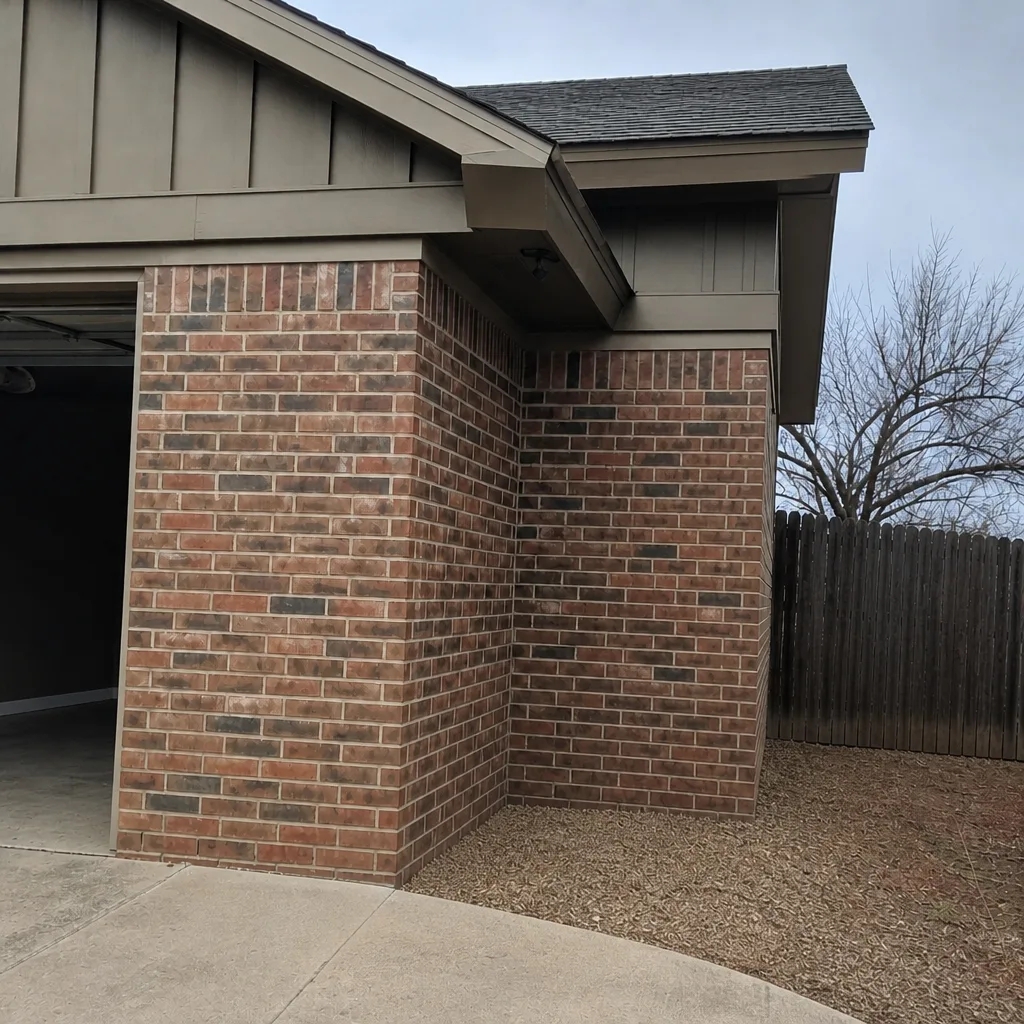 After
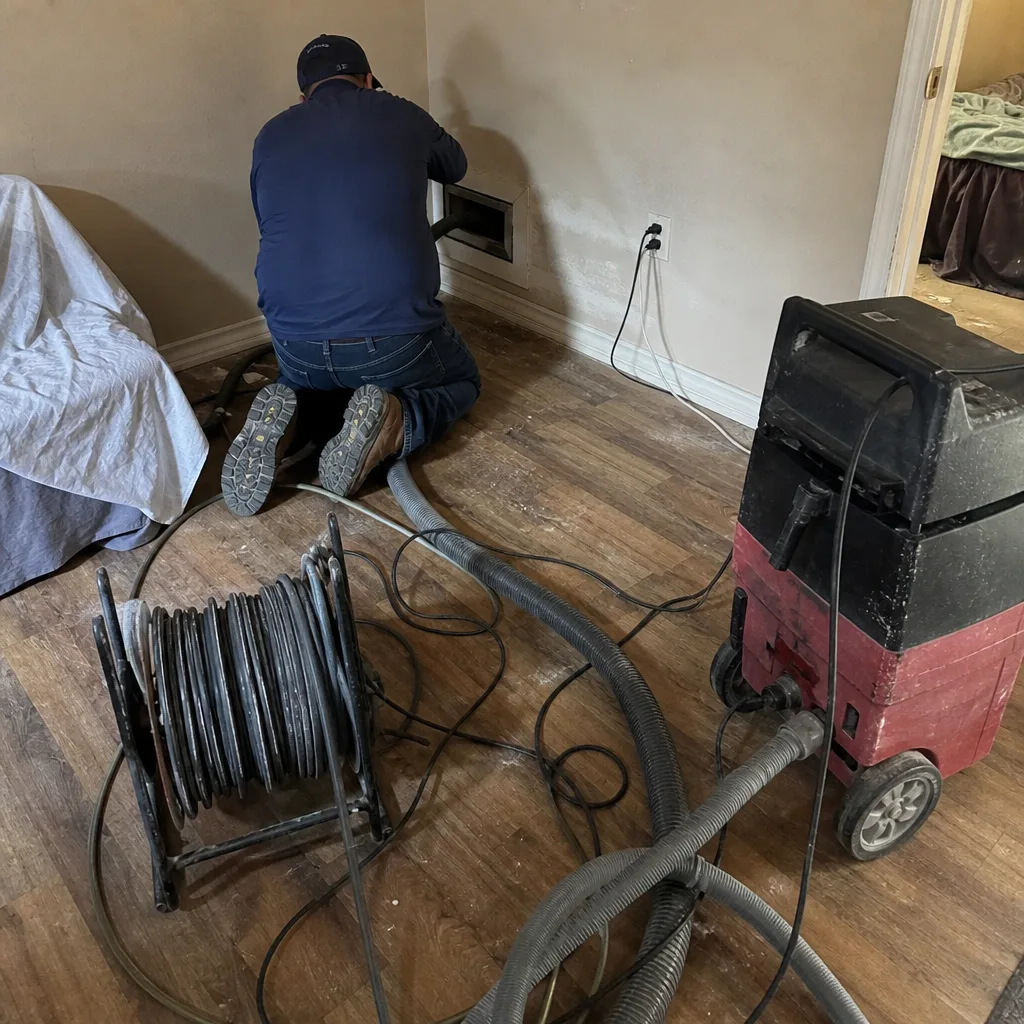 Before
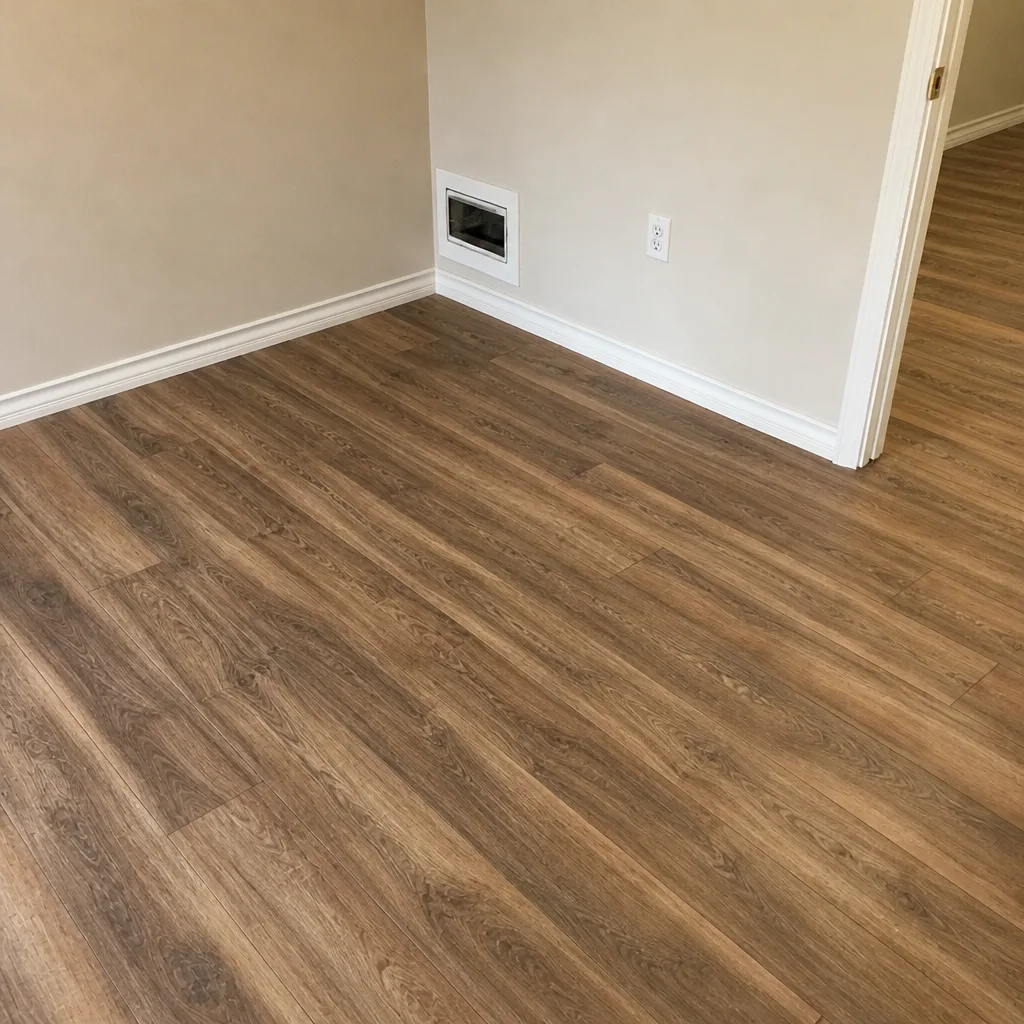 After
When to Call a Professional
A few situations make the decision for you. If you have just finished a renovation, or you are living in a home whose ductwork has never been cleaned, schedule an inspection before the system runs hard again. If allergies are worse indoors than outdoors, the ducts are a reasonable place to look. If the dryer takes two cycles to finish a load, or the vent flap does not lift well, that is a dryer vent issue worth addressing. If you notice dusty registers right after the system cycles, or the return has visible debris, that is a sign the system is overdue.
Duct Cleaning Norman offers free estimates in Norman – call (866) 493-6592. We answer 24/7. Fast dispatch from 7am to 7pm, Sunday through Friday.
Frequently Asked Questions
Look for professional-grade brands like Rotobrush, Nikro, and Abatement Technologies. Rotobrush is a rotary contact cleaning system with simultaneous vacuum capture, Nikro builds negative-air machinery for containment, and Abatement Technologies makes HEPA-filtered negative-air equipment for remediation-level work. Any of those names on the job indicates the contractor is running trade-standard equipment rather than consumer substitutes.
Most whole-system duct cleaning in Norman falls in a range set by the size and configuration of the system, not by a per-vent count. Whole-home quotes typically land in the modest-to-mid hundreds for a standard system, with larger or more complex homes and repair work adding to that. The most reliable way to know the number is a written estimate on site. Call (866) 493-6592 for a free estimate.
A very low quote usually reflects a lighter process: less equipment, less containment, and less time on the system. Contact cleaning with simultaneous capture, run by a technician trained on professional machinery, costs more to deliver. A written estimate that explains what will happen on your system is worth more than a sticker price that leaves it out.
Yes. A clogged dryer vent is one of the leading causes of residential fires, and it is a common gap in a duct cleaning service. If the contractor you are hiring does not offer dryer vent cleaning, you are arranging a second appointment with someone else. Duct Cleaning Norman includes it as one of three core services so the whole airflow picture is handled at once.
We handle air duct repair as one of our three core services, so a torn liner or pulled seam found during cleaning can be addressed in the same visit. Ask any contractor you are considering whether repair is part of what they do, because the answer changes whether you are hiring once or twice.
Ask for before-and-after photos of your own system. A crew running professional equipment typically wants to show the result, and photos of your ducts prove more than any stock image on a website. Combine that with a written scope of what will be cleaned and a flat price agreed before work begins, and you have a check you can rely on.
The Bottom Line
The equipment brand a duct cleaning contractor uses is the clearest proxy for whether the job will be done as a trade or as an add-on. Rotobrush, Nikro, and Abatement Technologies are names to recognize because the machines are built for specific purposes: contact cleaning with capture, negative air containment, and HEPA filtration. Pair that with training on the specific machine, a whole-system view that includes repair and dryer vent work, and before-and-after photos of your own ducts, and you have a decision you can defend. Duct Cleaning Norman offers three focused services for Norman homes. Call (866) 493-6592 for a free estimate. We answer 24/7. Fast dispatch from 7am to 7pm, Sunday through Friday.
Written by the team at Duct Cleaning Norman.