
Last updated November 14, 2026
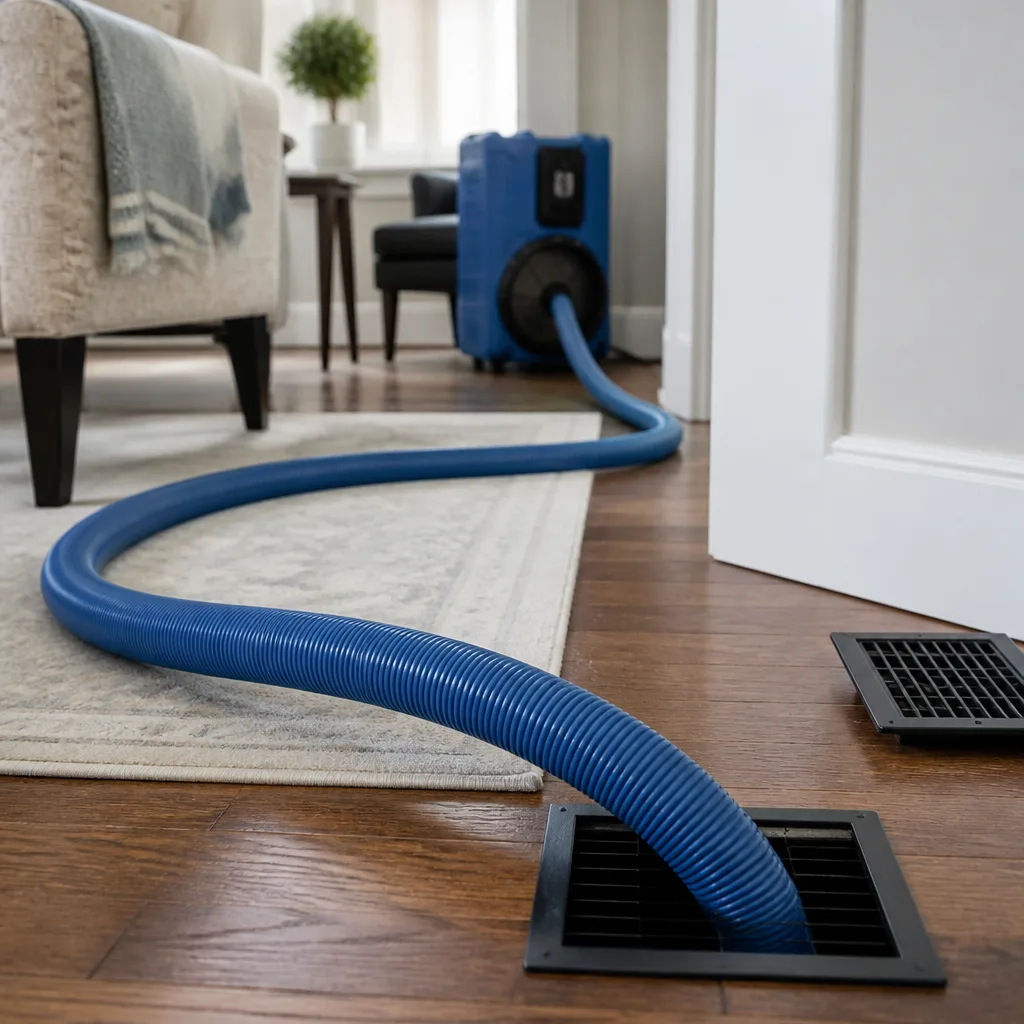 Whole-home duct cleaning
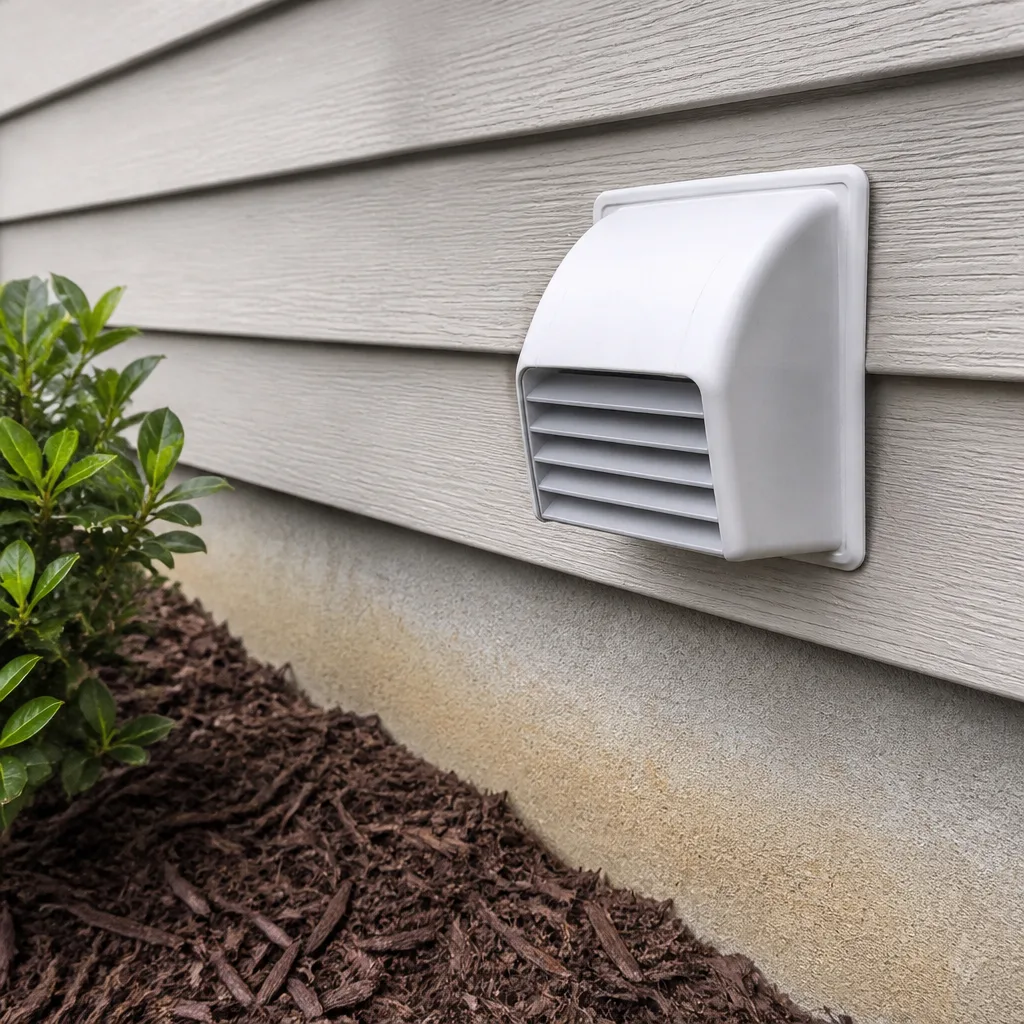 Dryer vent cleaning
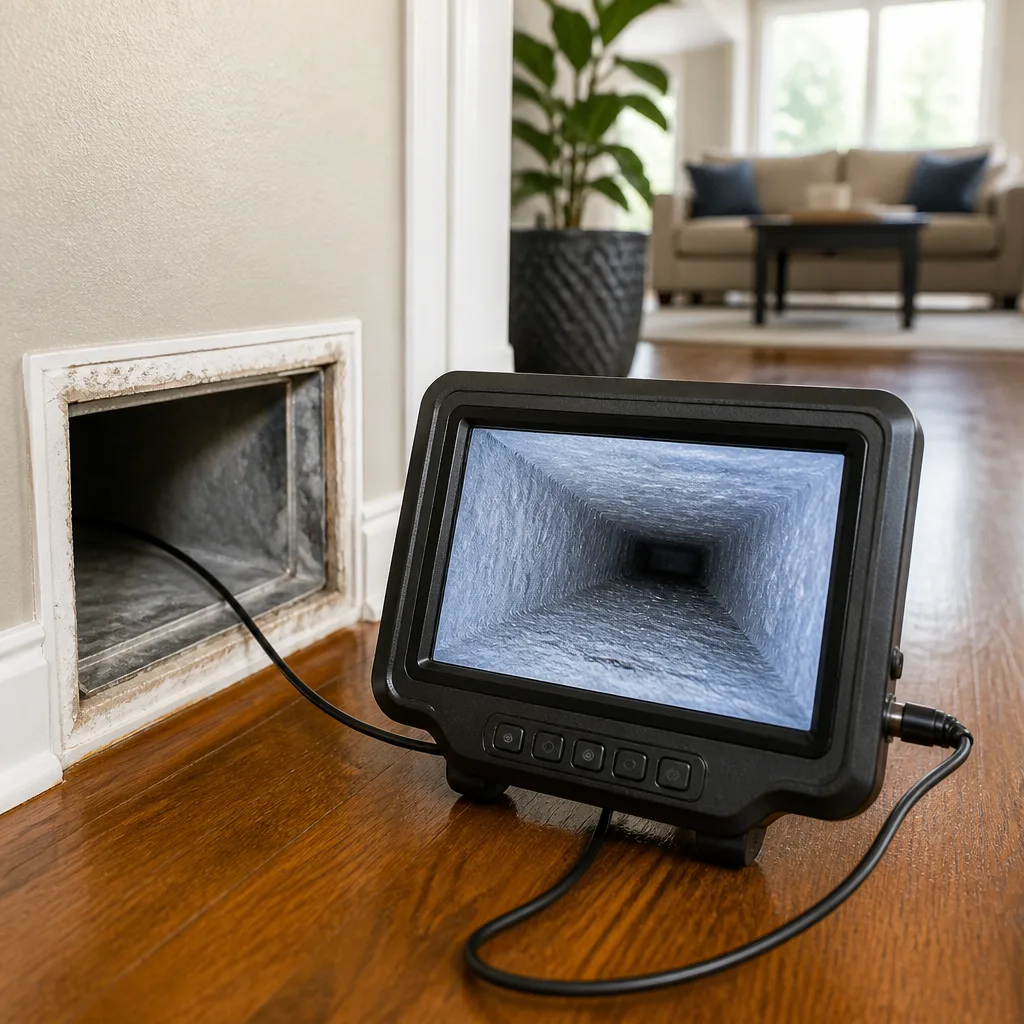 Camera inspection
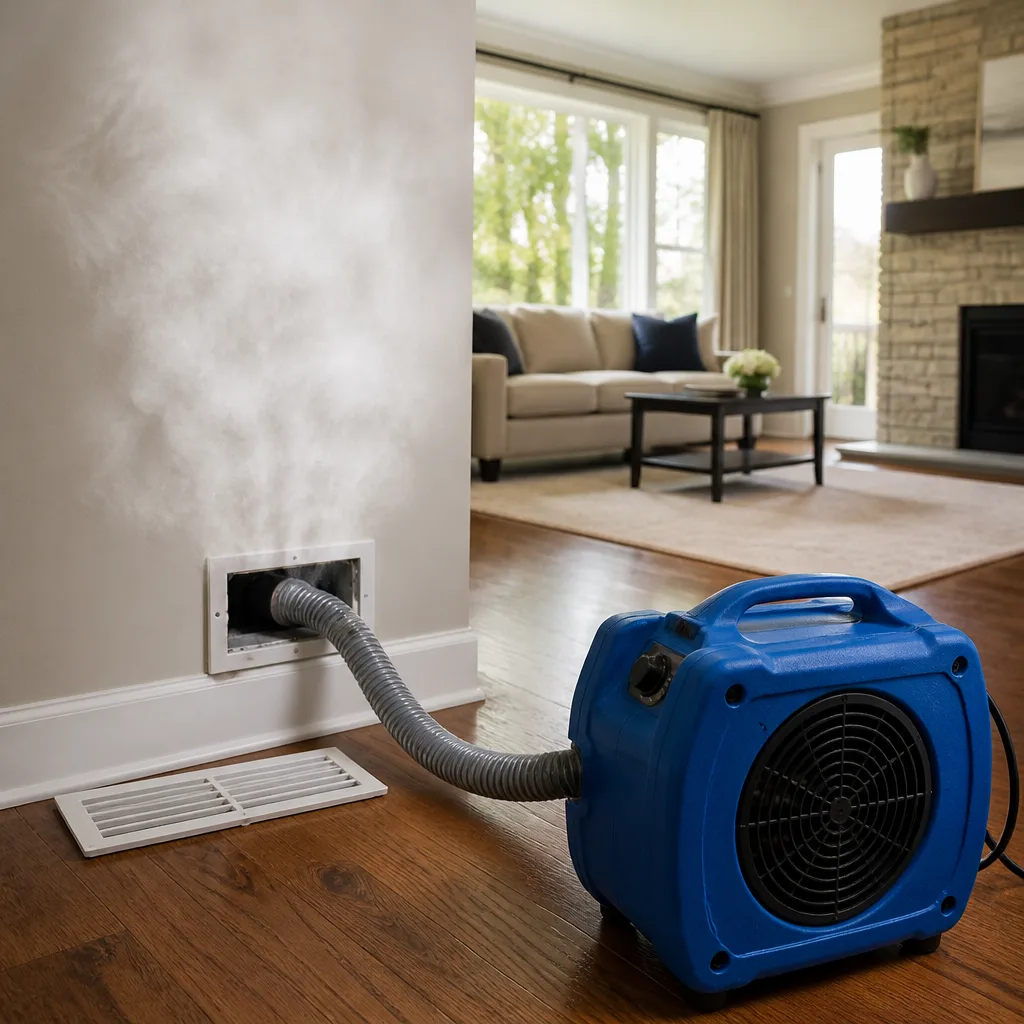 Sanitizing & deodorizing
Whole-system duct and dryer vent check with before-and-after photos - you see exactly what came out of your vents
That "$99 whole-house special" is a bait ad - the real number appears once they are in your hallway, or the "clean" is a shop-vac at the register. We photograph the inside of your ducts before and after instead.
Air Duct Cleaning Troubleshooting in Norman: Common Problems and How to Fix Them
If your ducts were “just cleaned” and you’re still getting dusty registers two weeks later, the problem usually isn’t your ducts – it’s that the technician used a portable shop-vac instead of a negative-pressure extraction unit. That distinction matters more than most homeowners realize, because a weak vacuum source doesn’t remove debris so much as rearrange it. The dust that settles back onto your supply registers is often the same dust that was never pulled free from the branch runs in the first place. In this guide, we’ll walk you through how to read the signals your ductwork is sending, how to tell an incomplete cleaning apart from a separate HVAC problem, and exactly what to say when you call a company back. Everything here is written for Norman homeowners dealing with real Oklahoma air, older housing stock, and the specific equipment questions that come up after a service visit.
Quick Answer
Most post-cleaning duct problems in Norman fall into three categories: incomplete debris removal caused by insufficient vacuum CFM, a separate HVAC issue like a dirty evaporator coil or poorly seated filter, or a physical defect in the ductwork itself. Dust reappearing at registers within days points to inadequate extraction. Musty odor that persists after cleaning usually means mold is growing upstream of the cleaned section, often in the air handler or plenum. Weak airflow at one or two registers suggests a disconnected or crushed branch run rather than a cleaning failure. Matching the symptom to the cause tells you whether to request a re-service, call an HVAC technician, or have the ductwork inspected for damage.
Styles & brands we work with
- Whole-home duct cleaning
- Dryer vent cleaning
- Camera inspection
- Sanitizing & deodorizing
Table of Contents
- Why dust comes back so fast after cleaning
- What persistent musty odor after cleaning really means
- Weak airflow at some registers but not others
- How to inspect your own registers, plenums, and filter slots
- Incomplete cleaning vs. separate HVAC problem: telling them apart
- The decision tree: re-service, HVAC call, or duct repair
- Why equipment grade determines the outcome
- Norman-specific factors that affect duct cleaning results
Why Dust Comes Back So Fast After Cleaning
Dust settling back onto registers within days of a cleaning is the most common complaint we hear, and it almost always traces to one of two things: the vacuum source didn’t have enough CFM to pull debris out of the branch runs, or the technician cleaned the trunk line but skipped the branches entirely. A shop-vac pulls maybe a fraction of the airflow a truck-mounted or high-powered portable negative-air unit generates. That difference is the whole game. Debris loosened by brushing but not extracted stays in the system and gets pushed back into the living space the moment the blower kicks on.
Here’s what a proper extraction setup does differently:
- Creates negative pressure throughout the system so loosened debris travels toward the vacuum rather than into the room.
- Reaches the ends of branch runs, not just the main trunk, because the airflow is strong enough to carry material the full length of the duct.
- Uses contact agitation – rotating brushes or air whips – to break debris loose from duct walls before extraction.
- Contains the work zone with HEPA filtration so fine particulate doesn’t escape into the home during the process.
If your registers look dusty again within a week or two, ask the company what CFM their vacuum source produces and whether they cleaned each branch run individually or only the main trunk. Those two questions alone will tell you a lot about what happened. For a refresher on what a complete air duct cleaning should include, our service page breaks down the full process step by step.
What Persistent Musty Odor After Cleaning Really Means
A musty smell that stays after duct cleaning almost always means mold or biological growth is present upstream of the section that was cleaned. The most common locations are the evaporator coil, the air handler cabinet, the return plenum, or the inside of the flexible duct connections near the equipment. If the technician cleaned the supply and return runs but never opened the air handler, the source of the odor was still there when they packed up. That’s not a re-cleaning problem – it’s a scope problem.
Negative-air equipment matters here. Nikro negative-air and HEPA units are designed to create containment around a work zone so particulate and spores don’t spread while the area is being cleaned. When a company brings that class of equipment, it signals they’re set up to work in zones that basic duct cleaning doesn’t touch – the plenum, the air handler closet, and the return-side connections. Companies that only carry a portable vacuum and a brush often can’t safely address those areas at all.
Before you call anyone back, do this:
- Turn the system off and let it sit for a few hours, then smell the air at a supply register when you turn it back on. If the mustiness is strongest right at startup, the growth is likely in the air handler or plenum.
- Open the filter slot and smell inside. A musty filter slot points to moisture or growth near the coil.
- Check for standing water in the condensate pan or drain line. A clogged drain in Norman’s humid summer months is a common source of biological growth.
- Look at the insulation inside the air handler cabinet. Dark staining or damp insulation is a sign the growth is upstream of the ducts.
If the odor traces back to the air handler or coil, that’s an HVAC service call, not a duct cleaning call. If it traces to the ductwork itself, a company with containment-grade equipment is the right next step.
Weak Airflow at Some Registers But Not Others
When one or two registers blow weak while the rest of the house feels fine, the cause is rarely a cleaning issue. It’s almost always a physical problem in the ductwork: a disconnected flex run in the attic, a crushed section where someone stepped on it, a damper that got closed and never reopened, or a branch that was never properly sealed at the takeoff. In Norman’s older neighborhoods, where homes from the 1960s through the 1980s often have original rigid ductwork with flex branches added during later remodels, disconnected runs are common.
Here’s how to tell the difference between a cleaning issue and a ductwork problem:
- Cleaning issue: All registers feel somewhat weak, or airflow improves noticeably for a few days after cleaning and then drops back.
- Ductwork issue: Airflow is consistently weak at specific registers regardless of cleaning, and the pattern doesn’t change.
- Blower or coil issue: Airflow is weak everywhere, the system runs longer than usual, and you may hear the blower straining.
Air duct repair is a separate service from cleaning, and not every duct cleaning company offers it. Our own scope includes air duct repair precisely because cleaning a system with a disconnected branch is wasted effort – you clean the ducts and the air still doesn’t reach the room. If you suspect a disconnect, get it inspected before scheduling another cleaning. Our Norman service area page lists the neighborhoods where we work most often and what we typically find in each.
How to Inspect Your Own Registers, Plenums, and Filter Slots
You can do a meaningful inspection of your own system in about fifteen minutes with a flashlight and a screwdriver. This isn’t about diagnosing everything yourself – it’s about gathering enough information that when you call a company back, you can describe exactly what you’re seeing. That saves time and prevents a technician from talking past the real problem.
Follow these steps:
- Remove a supply register cover. Shine a light into the duct. You should see clean metal or flexible duct liner. Visible dust buildup on the walls, debris sitting at the boot, or dark staining are all worth noting.
- Remove a return register cover. Returns collect more dust than supplies by design. Look for debris accumulation at the bottom of the return drop and around the filter slot.
- Open the filter slot. Check that the filter is seated properly, the correct size, and facing the right direction. A filter that’s too small or not seated lets unfiltered air bypass it and coat the coil and ducts with dust.
- Look at the plenum – the sheet metal box directly above the furnace or air handler. Visible dust streaks on the outside can indicate a leak at the seams. Dust inside the plenum after cleaning suggests the plenum was skipped.
- Snap a few photos with your phone. Photos help when you’re describing the problem to a company and help you verify afterward whether the work was done.
If you find dust accumulation at the boot of every register, the cleaning was likely incomplete. If you find it at one or two, you may have a branch-specific issue. Either way, before-and-after photos from the company are the single best way to confirm the work actually happened. Ask for them before the job starts.
Incomplete Cleaning vs. Separate HVAC Problem: Telling Them Apart
This is the distinction most homeowners get wrong, and it costs them either a wasted re-service call or a missed HVAC repair. The symptoms overlap, but they diverge in a few predictable ways. Here’s a side-by-side comparison to help you sort it out:
- Dust at registers within days: Almost always cleaning-related. Points to insufficient extraction or skipped branches.
- Dust at registers within weeks to months: Often an HVAC issue – a dirty evaporator coil, a bypassing filter, or a leaky return pulling attic or crawlspace air into the system.
- Musty odor immediately after startup: Growth in the air handler, coil, or plenum. Cleaning the ducts won’t fix it if the source is upstream.
- Musty odor only in one room: Often a duct issue specific to that run – damp insulation, a disconnected branch drawing crawlspace air, or a boot that isn’t sealed to the floor.
- Weak airflow everywhere: Blower, coil, or filter problem. Cleaning won’t restore pressure.
- Weak airflow at specific registers: Ductwork defect – disconnection, crush, or closed damper.
The giveaway is timing. Problems that appear within the first week after cleaning are almost always about the cleaning. Problems that develop over months usually trace to the HVAC side of the system. Our technicians have up to 13 years of experience, and the pattern holds consistently: the callbacks we hear about from Norman homeowners usually fall into one of these two buckets once you pin down when the symptom started.
The Decision Tree: Re-Service, HVAC Call, or Duct Repair
Once you’ve identified the symptom and roughly when it started, the next step is deciding which call to make. This is where a clear decision sequence saves time and money. Work through these questions in order:
- Is there dust at most or all registers within a week of cleaning? Request a re-service. Include your photos and the specific questions about CFM and branch cleaning. A company that did the job correctly will come back and make it right.
- Is there persistent musty odor after cleaning? Call an HVAC technician to inspect the air handler, evaporator coil, and condensate system first. If the coil and air handler are clean, then have the ductwork inspected by a company with negative-air equipment – Nikro or Abatement Technologies class equipment is what you’re looking for.
- Is airflow weak at specific registers and unchanged after cleaning? Request an air duct repair inspection. A disconnected or crushed run needs to be reconnected, not re-cleaned.
- Is airflow weak everywhere and the system runs long? HVAC service call. Coil cleaning, blower check, and filter verification.
- Is dust at registers recurring over months despite cleanings? Look for envelope and filtration issues – an unsealed return in the attic, a bypassing filter, or a lack of filtration. This is where upgrading filtration with products like a Honeywell or Aprilaire filter system makes a real difference, because the ducts stay cleaner when the return air is actually filtered.
- Do you hear whistling, rattling, or airflow noise at a register? That’s a pressure or sealing issue in the ductwork itself – a duct repair call.
If you’re not sure which branch of the tree applies to you, describe your symptoms when you call us and we can help you sort it out. The key is to describe what you’re seeing and when you started seeing it, not just that “something’s wrong.”
Why Equipment Grade Determines the Outcome
Two companies can charge similar prices and deliver very different results, and the difference usually comes down to equipment. A shop-vac and a hand brush are cheap and portable. A Rotobrush contact-cleaning system, a Nikro negative-air HEPA unit, and Abatement Technologies filtration equipment are what remediation contractors and HVAC professionals use because they actually work on the scale of a residential duct system. The equipment determines what gets removed and what stays.
What professional-grade equipment does differently:
- Rotobrush systems combine rotating brush agitation with simultaneous vacuum extraction, which breaks debris loose from duct walls and pulls it out in one pass instead of just loosening it.
- Nikro negative-air and HEPA units create containment and filter fine particulate so work in the air handler, plenum, and return zones doesn’t spread dust through the house.
- Abatement Technologies filtration brings remediation-level air filtration capability, which matters when the job involves areas with biological growth or heavy contamination.
When you’re comparing quotes in Norman, ask what equipment the company uses. If the answer is vague or the equipment is described as “professional,” ask for the brand names. A company that uses Rotobrush and Nikro will tell you so. A company using a shop-vac will usually dodge the question. For a more detailed breakdown of the equipment differences and what they mean for your home, our main Duct Cleaning Norman page covers the process end to end.
Norman-Specific Factors That Affect Duct Cleaning Results
Norman’s climate and housing stock shape duct cleaning outcomes in ways that a generic guide won’t mention. Oklahoma’s humid summers and the way homes here run air conditioning for months on end create consistently moist duct conditions, especially in attics and crawlspaces. That moisture is the baseline for mold growth – which is why the air handler, coil, and return plenum matter so much here. If those zones aren’t cleaned, ducts that test clean will still smell musty the moment the system runs.
A few local factors worth knowing:
- Older homes in central Norman often have original sheet metal ductwork with flex branches added over time. Those flex runs are where disconnection and crush problems concentrate.
- Homes with attic ductwork – common in Norman subdivisions built from the 1970s onward – have longer return runs and more opportunities for leaks and dust intrusion. Attic return chases that aren’t sealed draw insulation fibers and outside dust into the system.
- Newer construction sometimes has tighter duct systems but undersized returns, which creates pressure imbalances that pull dust through filter gaps.
- Spring and early summer in Norman bring heavy pollen, and homes with undersized filtration load up faster. Upgrading to a Honeywell or Aprilaire filter setup during a cleaning appointment is often the most cost-effective way to keep the ducts cleaner between service visits.
None of these are reasons to clean more often than necessary. They’re reasons to make sure the cleaning is thorough when you do it. If you’re not sure how often your specific home needs service, our dryer vent cleaning page also covers the airflow-and-safety side of home ventilation, which often comes up at the same time as a duct appointment.
Common Mistakes to Avoid
- Accepting a cleaning without asking about CFM or equipment. If the company can’t tell you what vacuum source they use or how much airflow it produces, the cleaning is likely to be cosmetic. The right equipment is the difference between debris removal and debris redistribution.
- Skipping the air handler and plenum. Cleaning ducts while leaving the air handler, coil, and plenum untouched leaves the source of most odors in place. Ask specifically whether those zones are included before you book.
- Not asking for before-and-after photos. Photos of your own system before and after the work are the only reliable way to confirm the job was actually done to the branch runs. Ask for them up front, not afterward.
- Assuming a re-cleaning will fix weak airflow. Weak airflow at specific registers is usually a ductwork defect, not a cleaning issue. Re-cleaning a crushed or disconnected run won’t restore flow.
- Replacing the filter with a higher-MERV option without checking the system. Some older systems in Norman homes can’t handle high-MERV filters without restricting airflow. Ask an HVAC technician before upgrading.
- Using a shop-vac to clean registers yourself. Consumer vacuums lack the CFM to pull debris from branch runs, and they can push dust deeper into the system. For anything beyond the surface of the register, have it done with proper extraction equipment.
- Treating a musty smell as a duct cleaning problem when it’s an HVAC problem. If the growth is in the coil or air handler, cleaning the ducts won’t fix it. Diagnose the source first.
See the difference
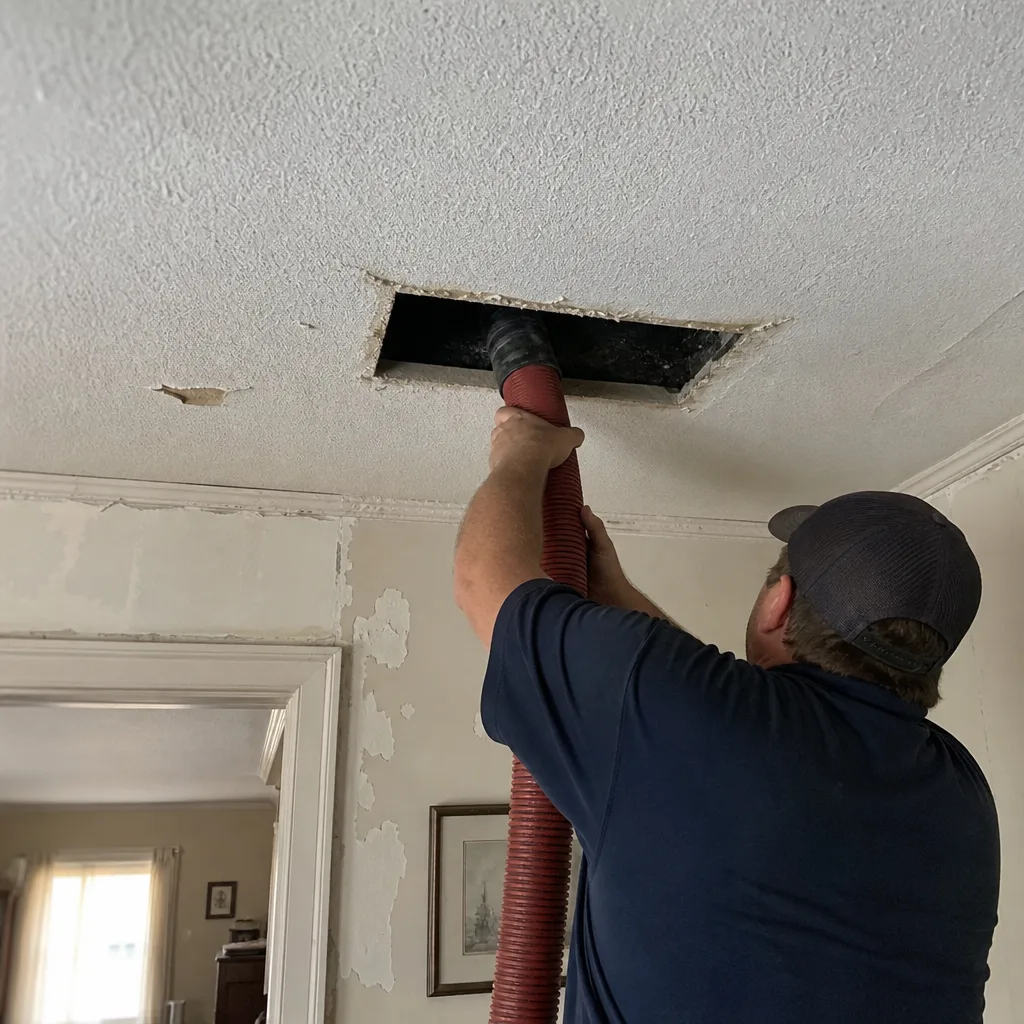 Before
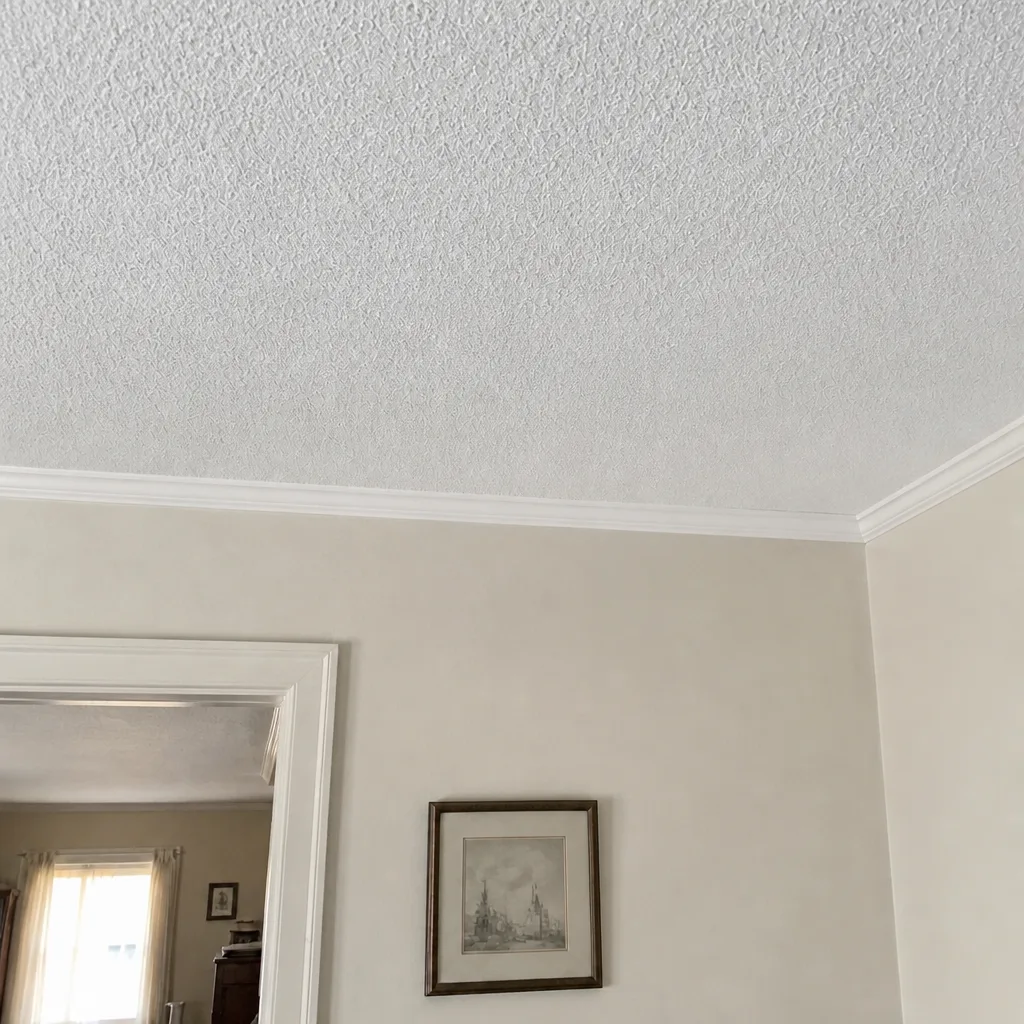 After
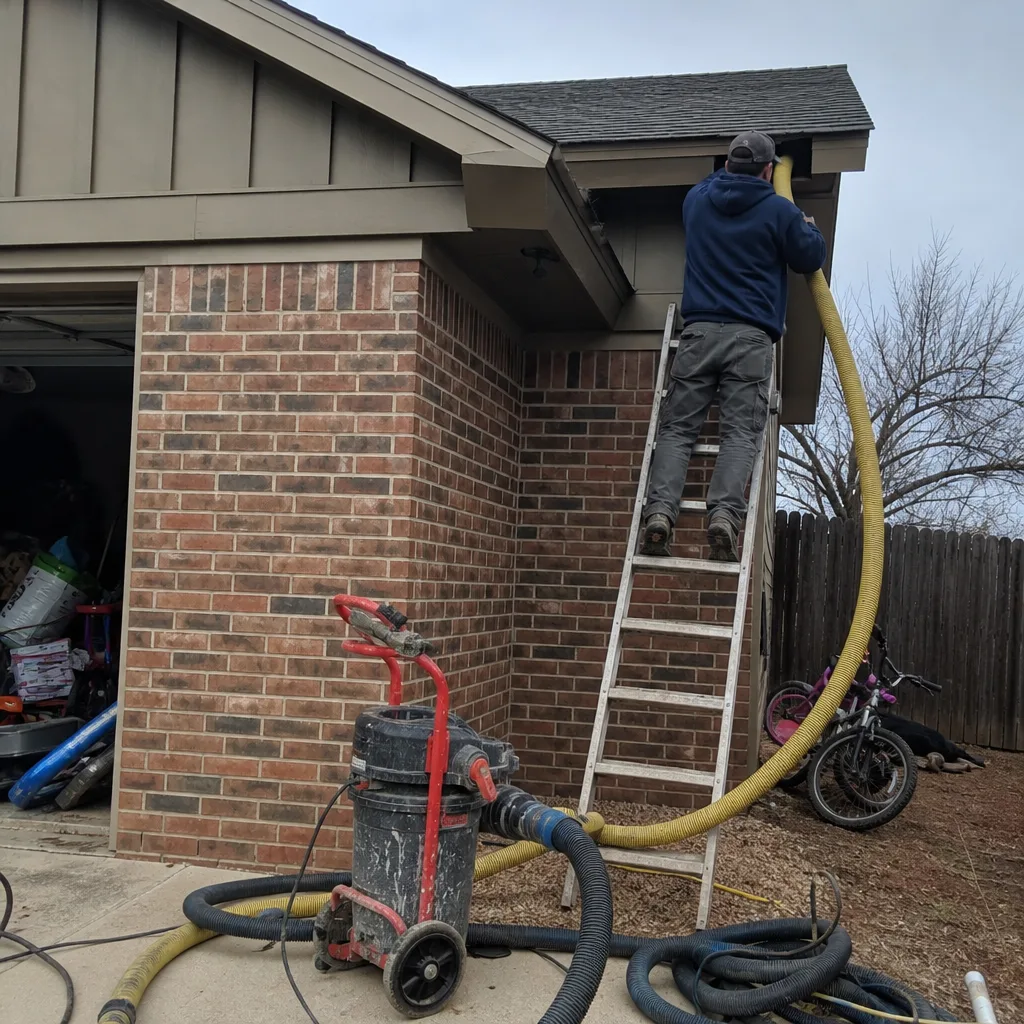 Before
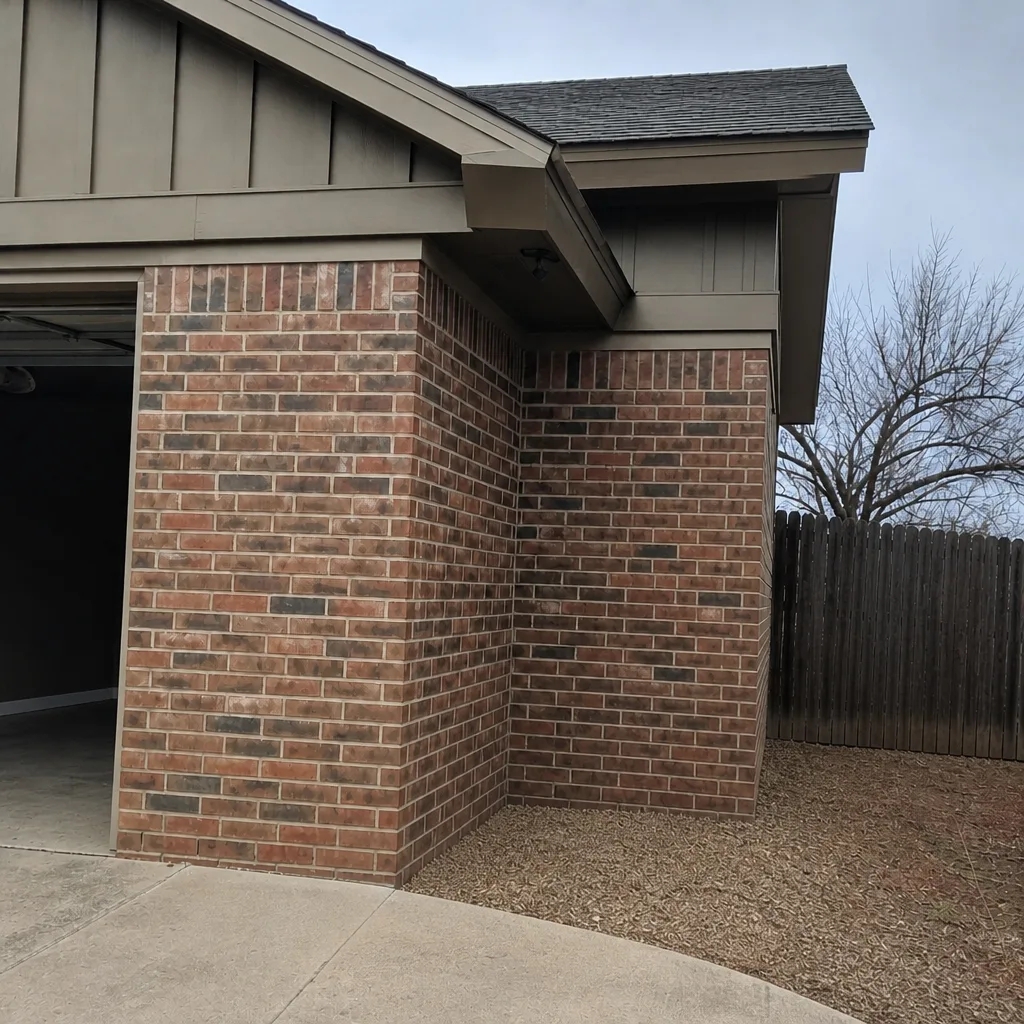 After
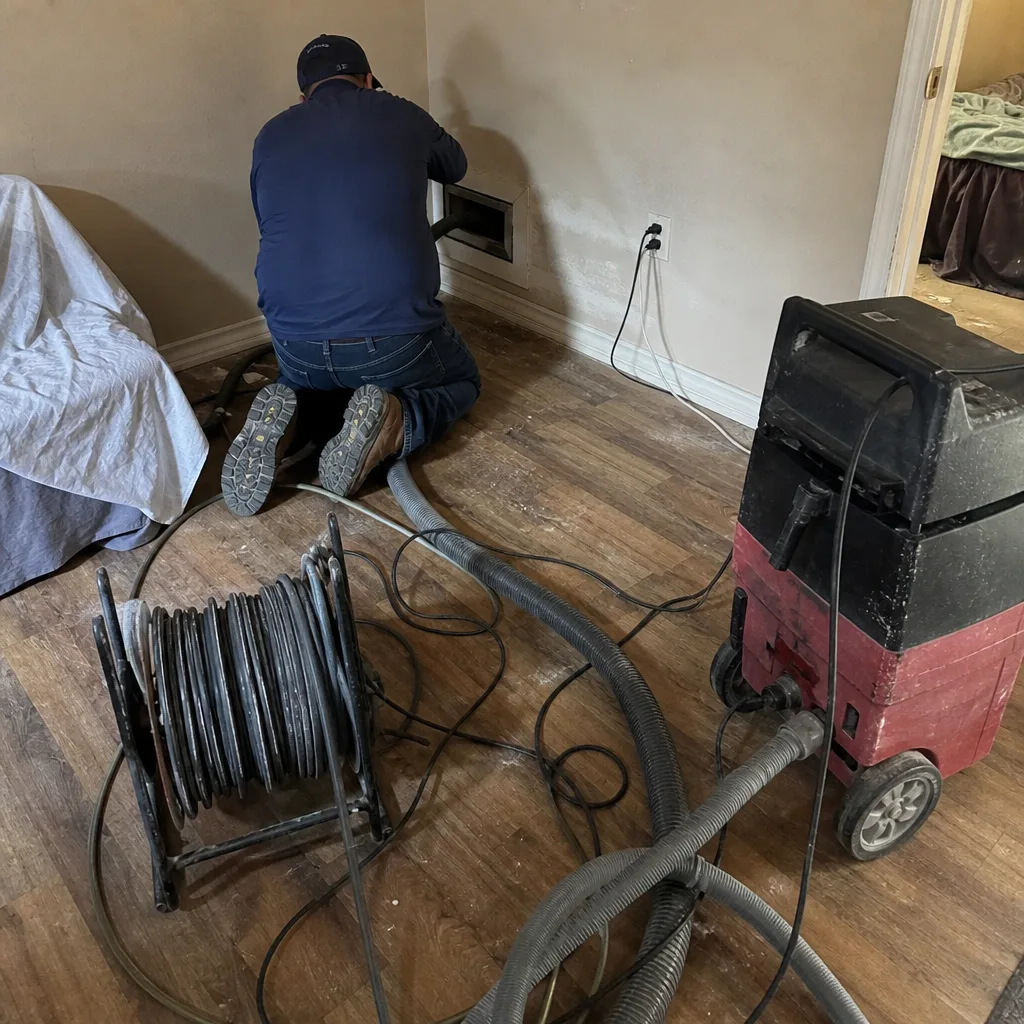 Before
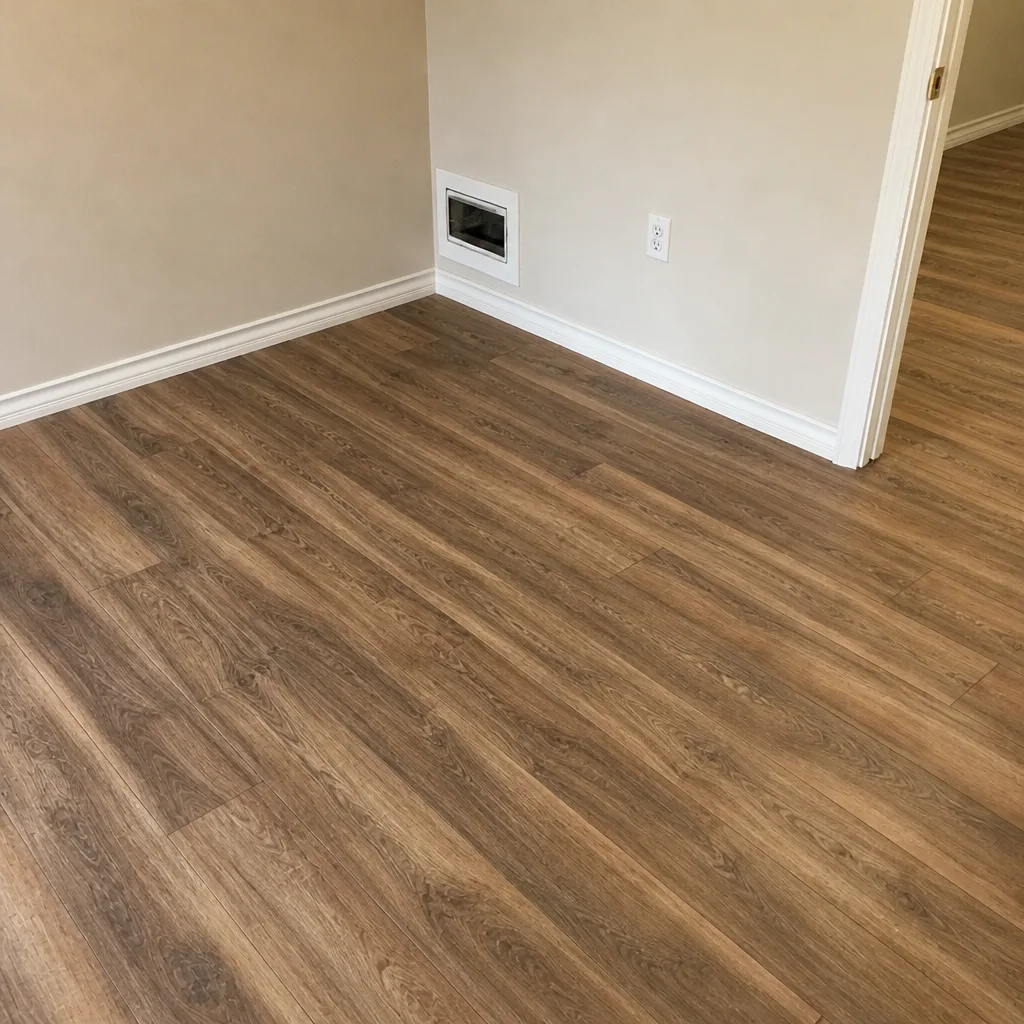 After
When to Call a Professional
Call a professional when dust returns to most of your registers within a week of cleaning, when musty odor persists after a service visit, or when airflow stays weak at specific registers regardless of cleaning. Those are the three symptoms that point to a real scope or equipment failure rather than routine dust. Call us when you need a company that uses Rotobrush contact cleaning, Nikro negative-air equipment, and Abatement Technologies filtration equipment on every job, and that can also repair ductwork when the inspection turns up a defect. Duct Cleaning Norman offers free estimates in Norman – call (866) 493-6592. We answer 24/7. Fast dispatch from 7am to 7pm, Sunday through Friday. We’re closed Saturday, and any call outside dispatch hours is booked into the next opening.
Frequently Asked Questions
Dust should not reappear at registers within days of a proper cleaning. Light dust settling on furniture in the first day or two is normal as residual airborne particles settle, but visible dust accumulation at the register grilles within a week points to incomplete extraction or skipped branch runs. That warrants a callback to the company.
Persistent musty odor after cleaning almost always means biological growth is present upstream of the cleaned section, typically in the evaporator coil, air handler cabinet, or return plenum. Duct cleaning doesn’t reach those zones unless the technician explicitly includes them in the scope. Get the HVAC side inspected first, then have the ductwork assessed by a company with negative-air containment equipment. Call (866) 493-6592 for an exact quote on that assessment – estimates are free.
Cheaper quotes usually reflect cheaper equipment – a shop-vac or consumer-grade vacuum rather than a Rotobrush contact-cleaning system or a Nikro negative-air unit. The equipment cost difference is real, and it shows up in what gets removed. Ask any company what specific equipment they bring and whether the air handler and plenum are included in the quoted price. A quote that can’t answer those questions isn’t really a bid on the same job.
Ask for before-and-after photos of your own ductwork, including the branch runs and the plenum. A company using professional equipment will be comfortable documenting the work. If photos aren’t available, you can visually inspect a few registers before and after using the steps above and compare. Clean duct walls, no debris at the boots, and a properly seated filter are the visible signs the job was done.
For a typical Norman home with no pets, no recent renovation, and a correctly maintained filter, most systems benefit from cleaning every few years rather than annually. Homes with pets, older HVAC systems, recent renovations, or a history of moisture problems may need it more often. The honest answer is that need depends on conditions, not a fixed calendar. Call (866) 493-6592 for an exact quote on an inspection – estimates are free.
Air duct cleaning doesn’t restore airflow when the cause is a physical ductwork defect like a disconnected flex run, a crushed section, or a closed damper. Those need air duct repair. Cleaning restores airflow only when the ducts were significantly blocked by debris. If airflow stays weak at specific registers after cleaning, that’s the signal to request a duct inspection. Call (866) 493-6592 for an exact quote – estimates are free.
The Bottom Line
Most post-cleaning duct problems in Norman trace to one of three causes: insufficient vacuum CFM, a skipped section of the system, or a separate HVAC or ductwork defect that cleaning was never going to fix. Dust at registers within days points to incomplete extraction. Musty odor points to growth upstream in the air handler or plenum. Weak airflow at specific registers points to a physical duct problem. Reading those signals correctly tells you whether to request a re-service, call an HVAC technician, or schedule a duct repair inspection. Ask any duct cleaning company in Norman what equipment they use, whether they include the plenum and air handler, and whether they can provide before-and-after photos. The answers to those three questions tell you almost everything about what kind of job you’re going to get. Call (866) 493-6592 for a free estimate. We answer 24/7. Fast dispatch from 7am to 7pm, Sunday through Friday.
Written by the team at Duct Cleaning Norman.