
Last updated November 14, 2026
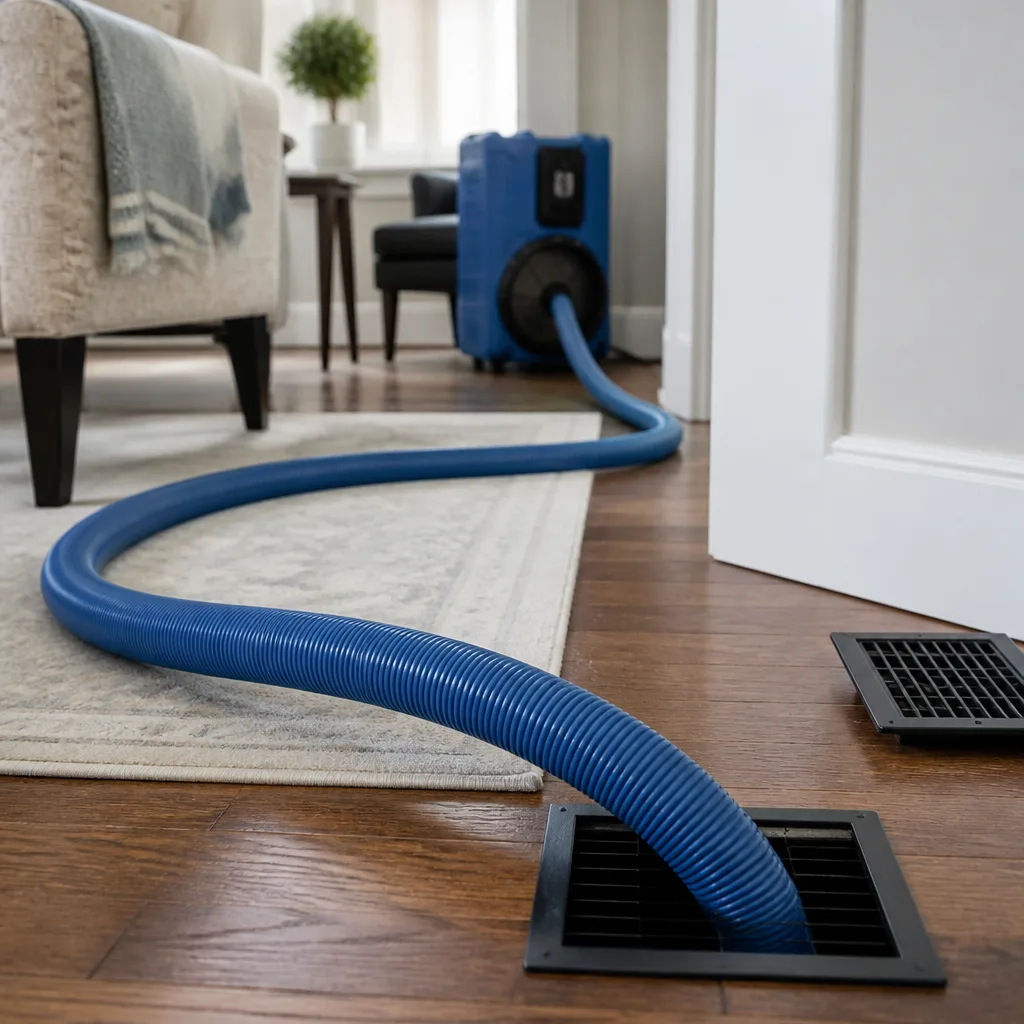 Whole-home duct cleaning
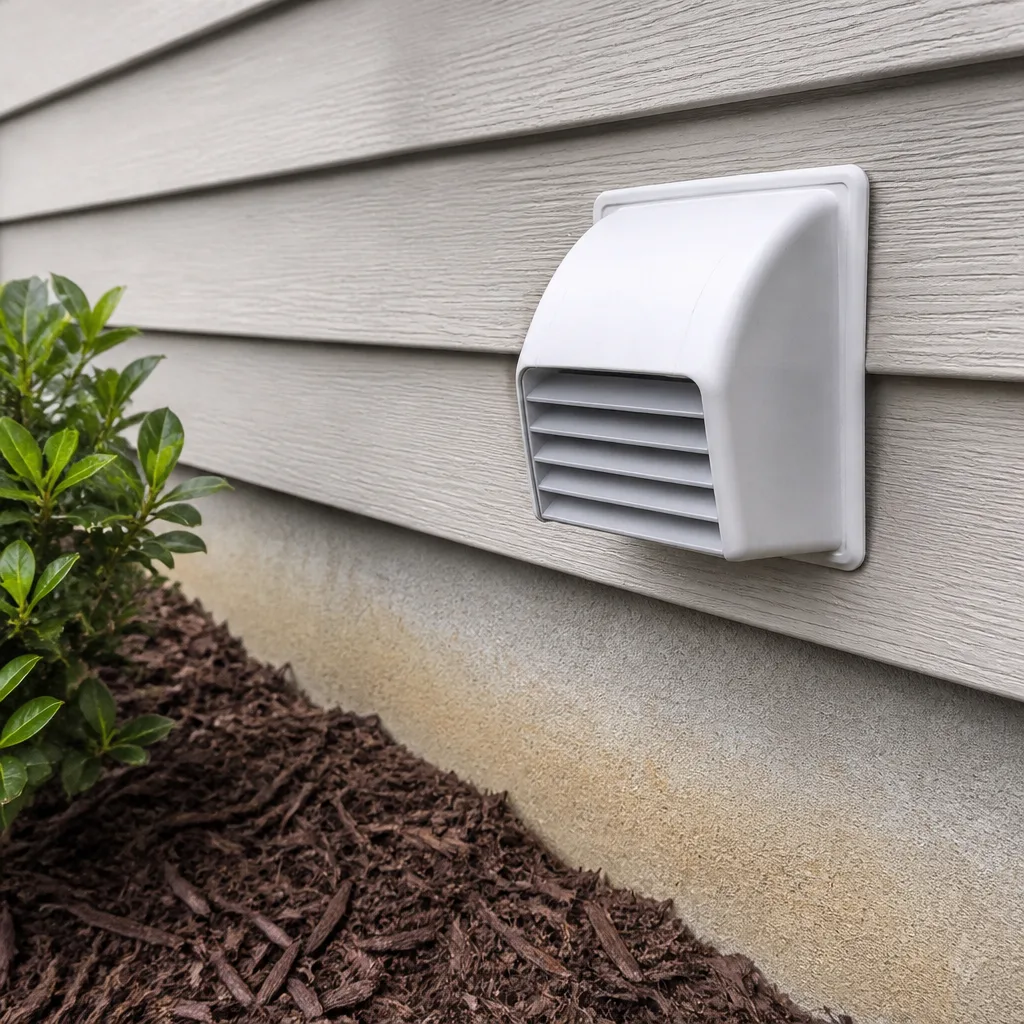 Dryer vent cleaning
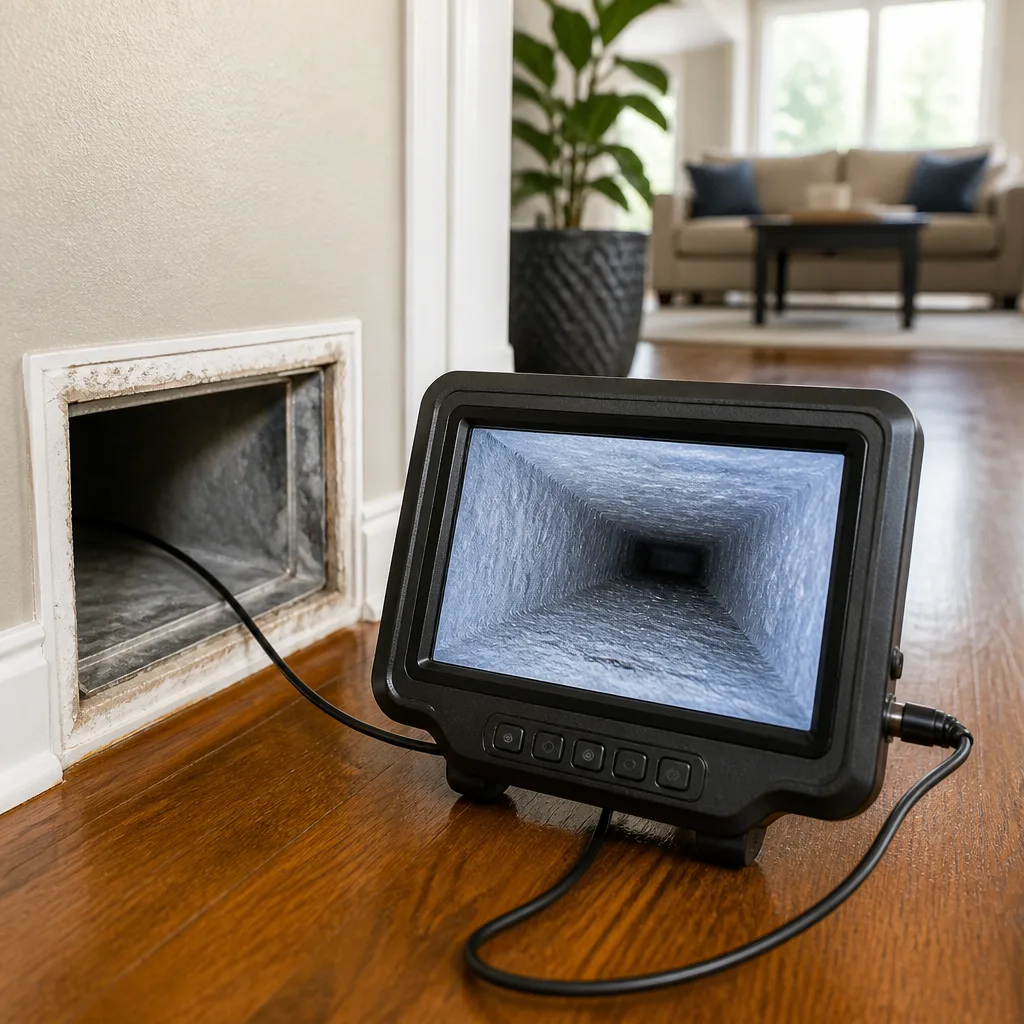 Camera inspection
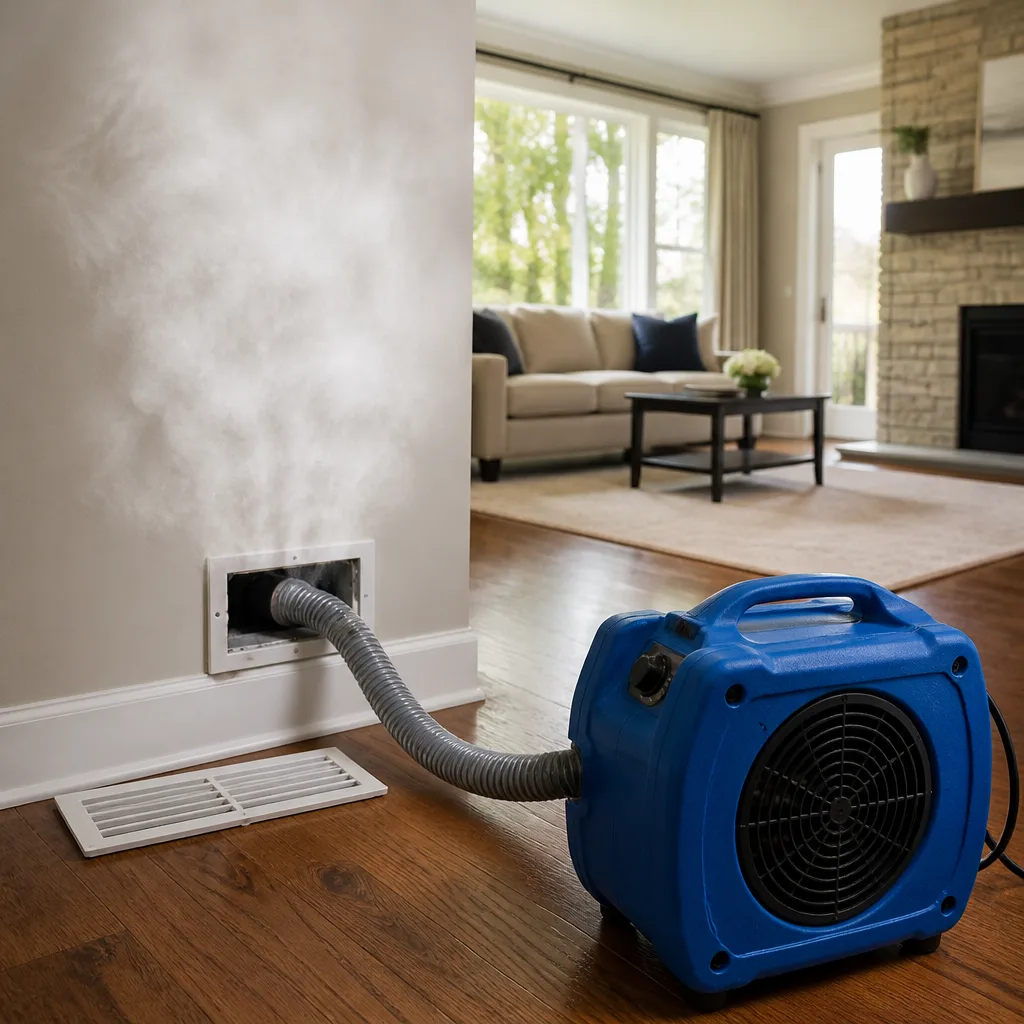 Sanitizing & deodorizing
Whole-system duct and dryer vent check with before-and-after photos - you see exactly what came out of your vents
That "$99 whole-house special" is a bait ad - the real number appears once they are in your hallway, or the "clean" is a shop-vac at the register. We photograph the inside of your ducts before and after instead.
Air Duct Cleaning Emergency Preparedness Guide for Norman Homes
Here’s a counterintuitive point that surprises most homeowners: the worst duct contamination after a storm usually happens when the power comes back on. People reset the thermostat, hear the system hum to life, and feel relieved. Four hours later their supply registers are blowing insulation fibers and grit into every bedroom. After an EF-1 or stronger tornado event, soil particulates, insulation fibers, and biological debris can infiltrate a home’s duct system through return air leaks and pressure equalization, and running your HVAC distributes all of it before you’ve identified the problem. This guide covers the 24 hours after severe weather, the documentation insurers want, and how to avoid a second cleanup bill in Norman.
Quick Answer
If your home lost pressure, took on debris, or had any structural breach during a storm, turn off your HVAC system at the thermostat immediately and keep it off until the ductwork has been inspected. Document the visible damage with dated photos before anyone touches anything, then call a duct cleaning professional to assess storm debris infiltration. Running the system before inspection spreads contaminants through Norman homes, and it can re-contaminate a system that was just cleaned.
Styles & brands we work with
- Whole-home duct cleaning
- Dryer vent cleaning
- Camera inspection
- Sanitizing & deodorizing
Table of Contents
- The First Hour After a Storm: Turn the HVAC Off
- Why Running Your HVAC Makes Storm Contamination Worse
- How to Inspect Your Return Air System Before You Call Anyone
- Smoke Damage, Debris Infiltration, and Flood Moisture: Three Different Problems
- Does Insurance Cover Storm Duct Cleaning in Norman?
- Clean Now or Wait? How to Prioritize Duct Work After a Storm
- What Professional-Grade Storm Remediation Equipment Looks Like
- How to Prepare Your Duct System Before Storm Season
The First Hour After a Storm: Turn the HVAC Off
You don’t need to understand duct physics to act on this. Turn the thermostat to OFF, not AUTO, not FAN. The fan setting circulates air whether or not heating or cooling is running, and every minute of circulation pulls air through your return system. If your return drop has a gap where a wall separated, or if a housing lost its access panel, that fan is a vacuum pulling contaminated outdoor air into your distribution ducts.
Norman sits squarely in central Oklahoma’s tornado corridor, and the storm climatology here means this isn’t a hypothetical exercise. Homes in neighborhoods near Lake Thunderbird and along the east side of Norman see significant wind events routinely. The typical construction in these areas is slab-on-grade with attic-mounted or garage-mounted air handlers, flexible round duct in the attic, and a central return in a hallway. That layout has real vulnerabilities: attic ducts get hit first when roofs peel, and hallway returns right below a compromised ceiling can channel drywall dust and insulation straight into the system.
After you kill the breaker to the air handler, note the time. That matters for insurance documentation later.
We also suggest you don’t run the system just to “test” whether it still works. If the ducts are intact and the air handler is fine, you’ll find out after inspection. If either is compromised, that test run is the mistake you’ll remember.
If your home has a basement or a crawlspace with a duct system, the same rule applies. A crawlspace breach pulls soil and vapor into the distribution runs.
Why Running Your HVAC Makes Storm Contamination Worse
A central air system is a pressure engine. The blower creates negative pressure in the return side and positive pressure in the supply side. Under normal conditions that’s how air is delivered to rooms. Under storm conditions, every leak on the return side becomes an intake.
Homes across Norman are built tight in modern subdivisions and older construction is generally leaky. Both have return-side leaks at:
- Wire penetrations in the return plenum
- Seams in the return drop where tape or mastic has aged
- Access panels that aren’t fully seated
- Attic flex duct connections that have loosened
- Floor registers where the box framing separated from the subfloor
Each of those leaks pulls in air from a space where storm damage occurred. When the roof deck lost shingles, the attic is full of fiberglass particulate and blown-in insulation. When a wall’s sheathing was breached, that wall cavity now contains soil, dust, and whatever else came through. When a window broke, the room behind it has glass fines and exterior debris.
Those particulates then enter the return system, pass the filter (most residential filters are 1-inch MERV 8 or lower and don’t capture fine particles efficiently), and get distributed by the supply side. Every register in the house becomes a delivery point for debris that should have stayed in one room. A professional cleaning after that event is a whole-system job, not a register-by-register touch-up.
A blower running at 1200 CFM can move air through a compromised return in a matter of minutes. That’s why the first action is the thermostat, before sweeping, before the shop vac, before anything.
How to Inspect Your Return Air System Before You Call Anyone
We’re not asking you to diagnose ductwork. We’re asking you to collect enough visual evidence to make two decisions: is this an emergency, and what will your adjuster need? A rapid visual inspection takes about twenty minutes and keeps you out of anything dangerous.
- Turn the system off first. Thermostat to OFF, then the breaker at the air handler. If you can’t safely reach the breaker, don’t force it; note that on your list for the technician.
- Start at the return grille. Remove the return grille in the hallway or central return. Look at the filter. If it’s coated in dark material, torn, or visibly saturated, photograph it. Note the date on the photo.
- Look inside the return drop. With a flashlight, look up into the return plenum. You’re looking for insulation fibers clinging to the walls, visible grit, water staining, or dust that looks like a solid coating rather than normal light dusting.
- Check every supply register with a flashlight. Photograph the interior of the register boot and the first foot of duct you can see. If you see visible debris, that’s evidence for insurance.
- Inspect exposed ductwork. If you have attic ducts, photograph connections and any visibly disconnected sections. If you have a crawlspace, look for torn vapor barriers and water accumulation in the duct area.
- Photograph the storm damage itself. Broken windows, roof damage, sheathing gaps, and wall breaches each explain why particles entered the system.
- Write a dated inventory. Register locations with contamination, areas with water stain, and any suspect connections. Include the date, the storm date, and the time you turned the system off.
Do not climb into attics with structural damage, wet insulation, or loose electrical lines. Don’t open electrical panels. Photograph through openings or from a safe vantage. The documentation is enough; the technician will inspect more precisely.
Smoke Damage, Debris Infiltration, and Flood Moisture: Three Different Problems
Homeowners often assume all post-storm duct cleaning is the same. It isn’t. The three common categories in Norman each need different equipment and a different scope, and mixing them up means paying twice.
Storm debris infiltration
Caused by wind-driven particulate entering through return leaks, roofline damage, or open wall cavities. The contaminants are soil, insulation fibers, drywall dust, and exterior debris. The right approach is contact cleaning with a system like a Rotobrush to agitate the debris off duct walls, combined with negative-air HEPA capture at the extraction point so the material doesn’t re-contaminate the home during cleaning.
Smoke and combustion residue
Structural fires and heavy smoke exposure leave oily, sooty residue inside duct walls that standard contact cleaning doesn’t fully remove because the particles are chemically bound to the surface, not just resting on it. These jobs need a different decontamination sequence, often with a post-cleaning surface treatment and verification. Insurance carriers typically treat smoke damage as a separate category from wind damage, so document the smoke exposure separately.
Flood and moisture contamination
Water intrusion into a duct system creates two problems: physical damage to duct materials and biological growth on wetted surfaces. Flexible duct that has been wetted is generally replaced, not cleaned. Hard duct can be dried and treated, but only after verification. If you saw standing water in a crawlspace, or if your air handler flooded, you have a moisture job, not a debris job.
Diagnosing which of the three you have is the first real assessment, and it’s the one that determines what tools get brought out. If you want more on what our standard scope looks like outside of storm work, see our air duct cleaning service page.
Does Insurance Cover Storm Duct Cleaning in Norman?
Coverage depends on the cause of loss and policy language. Wind-driven debris infiltration is usually part of a storm claim when the storm also caused physical damage to the dwelling. Flood-related duct damage is normally excluded unless you carry separate flood coverage. Smoke damage is often covered under the same claim as the fire, but be specific in your claim about duct contamination as a line item.
Insurance adjusters don’t take “trust me” as documentation. They want:
- Dated photographs of the storm damage to the structure
- Photographs of the duct interiors before cleaning
- A written scope from the contractor describing what needs to be cleaned and why
- The cause-of-loss explanation connecting the storm damage to the duct contamination
- Before-and-after photographs showing the system condition
Contractors who work in the claims process routinely produce all five. If a contractor can’t provide a written scope you can hand to your adjuster, you’re going to spend weeks going back and forth over the phone. Ask before you book the job. A specialist who works with Abatement Technologies-style containment equipment also tends to have the paperwork discipline adjusters expect, because those jobs require documentation for the work itself.
Two practical notes. First, contact your carrier before you authorize the work so you know the claim process. Second, keep the debris and the filter until the adjuster has seen them; adjusters sometimes want photographs of what was pulled from the system.
If you want to know more about how we handle homes across Norman, start at our Duct Cleaning Norman page.
Clean Now or Wait? How to Prioritize Duct Work After a Storm
Cleaning ducts before the structure is sealed is wasted money. A freshly cleaned system will be re-contaminated if roof repair, window replacement, or drywall work still lies ahead. Sequencing is the difference between one cleaning and two.
The typical priority order after a storm:
- Stop the air moving. HVAC off until further notice.
- Document everything. Photographs and a written inventory.
- Repair the structure. Roof, windows, walls, and doors need to be sealed so the house isn’t pulling debris from outside or from an open attic.
- Dry any wetted materials. Duct materials and insulation need moisture addressed first, because cleaning without drying is pointless.
- Repair damaged ductwork. Disconnected sections, torn flex duct, and crushed return drops need repair before cleaning, not after. A cleaning crew that has to repair mid-cleaning means scheduling a second visit.
- Clean the system. Full contact cleaning with negative-air HEPA capture.
- Re-filter and verify. Replace the filter with the correct MERV rating for the system, and confirm return-side leaks are sealed.
If the structure is intact, or the breach was minor, cleaning can move up in priority. If you can smell storm odor inside the home when the HVAC is off, the contamination is already in the living space; that accelerates the schedule. Homes in central Norman that saw only wind and no structural breach typically fall into this category. Homes with significant roof loss or wall damage are almost always customers for a follow-up cleaning once the rebuild is done.
What Professional-Grade Storm Remediation Equipment Looks Like
The gap between a professional cleaning and a bargain cleaning is almost entirely about equipment, not labor. You don’t need to become an equipment expert. You do need to know what to ask about, because the tools determine whether cleaning makes the situation better or worse.
Contact cleaning is the core. A Rotobrush-style system runs a whipping air-and-brush head through duct runs, dislodging material from the walls, while the drive unit at the register captures the dislodged debris. This is the equipment that shows up in professional duct cleaning standards because it removes the material that adhesive-vacuum-only approaches leave behind.
Negative-air HEPA capture is the second layer. Nikro negative-air units and HEPA filtration keep particulate contained during the work so the cleaning doesn’t blow the contamination into the living space. On storm jobs, that containment layer is critical, because the particulate load can be ten times higher than in routine maintenance cleaning.
Filtration product integration comes third. Once the system is clean, upgrading to a proper cabinet filter or a media air cleaner from Honeywell or Aprilaire changes what your system captures going forward. That’s where prevention happens, and it’s why some companies pair cleaning with an upgrade recommendation and others don’t.
Our specialty is duct inspection and cleaning and duct repair, so if your storm repair includes compromised ductwork, we can usually handle it in one scope. If the dryer vent also got compromised or filled with debris during the storm, that’s a second fire-safety issue; see our dryer vent cleaning page for what that job covers.
Our technicians have up to 13 years of experience working on residential ductwork, which matters when you’re trying to explain to an adjuster what the difference is between surface dust and storm debris coating.
How to Prepare Your Duct System Before Storm Season
Spring in Cleveland County brings severe weather. Most of what applies afterward is prevention, and prevention is cheaper. A few straightforward steps make a real difference when the next event hits.
- Seal your return side. Adding mastic or professional tape to return plenum seams and wire penetrations is one of the highest-value duct improvements available, and it directly reduces how much storm debris enters the system when pressure equalizes.
- Upgrade to a proper filter cabinet. A 1-inch filter in a return grille is minimal protection. A media cabinet holding a 4- or 5-inch filter captures more particulate, and Honeywell and Aprilaire make cabinets that fit standard residential return setups.
- Have the ductwork inspected for existing damage. Pre-existing disconnected or crushed sections are the leaks that let storm debris in. Fixing them before the storm is far cheaper than cleaning after.
- Photograph your ductwork now. A set of dated photos of clean return interiors and supply registers makes the post-storm documentation job much easier.
- Keep a flashlight where you can find it in the dark. Sounds simple; it’s the difference between a rapid inspection and a panicked one.
If you’re looking at Norman property generally through the lens of storm readiness, our Norman page is a good place to start. Pre-storm inspections are also where we get the clearest read on which systems are going to need major post-storm attention.
Common Mistakes to Avoid
- Running the HVAC to test the system after a storm. The instinct to confirm cooling is understandable and it’s the exact mistake that spreads storm debris through the home. Leave the system off until inspection confirms the ducts and air handler are intact.
- Sweeping or vacuuming before turning the system off. Stirring up dust while the blower is running pulls that material into the return side. Sequence matters: HVAC off, then clean.
- Cleaning ducts before the structure is sealed. Roofs, walls, and windows need repair before the duct system is cleaned, or the cleaned system becomes a debris trap for the second wave of construction dust.
- Relying on a shop vac as the cleaning method. Shop vacs agitate material but don’t capture it at professional-grade HEPA filtration, so fine particulate ends up back in the living space. Ask what equipment will be used before you hire.
- Skipping documentation because the damage seems obvious. Insurers deny or reduce claims when documentation is incomplete. Photograph before cleaning, not after.
- Taking the bargained coupon price on a post-storm cleaning. Teaser pricing for storm cleanup often turns into per-register pricing plus scope creep. Ask for a written scope with a flat per-system price.
- Ignoring the dryer vent. Storm debris and moisture often reach the dryer vent through exterior wall damage. A clogged dryer vent is a fire-risk issue, and it’s easy to forget when your attention is on the HVAC.
See the difference
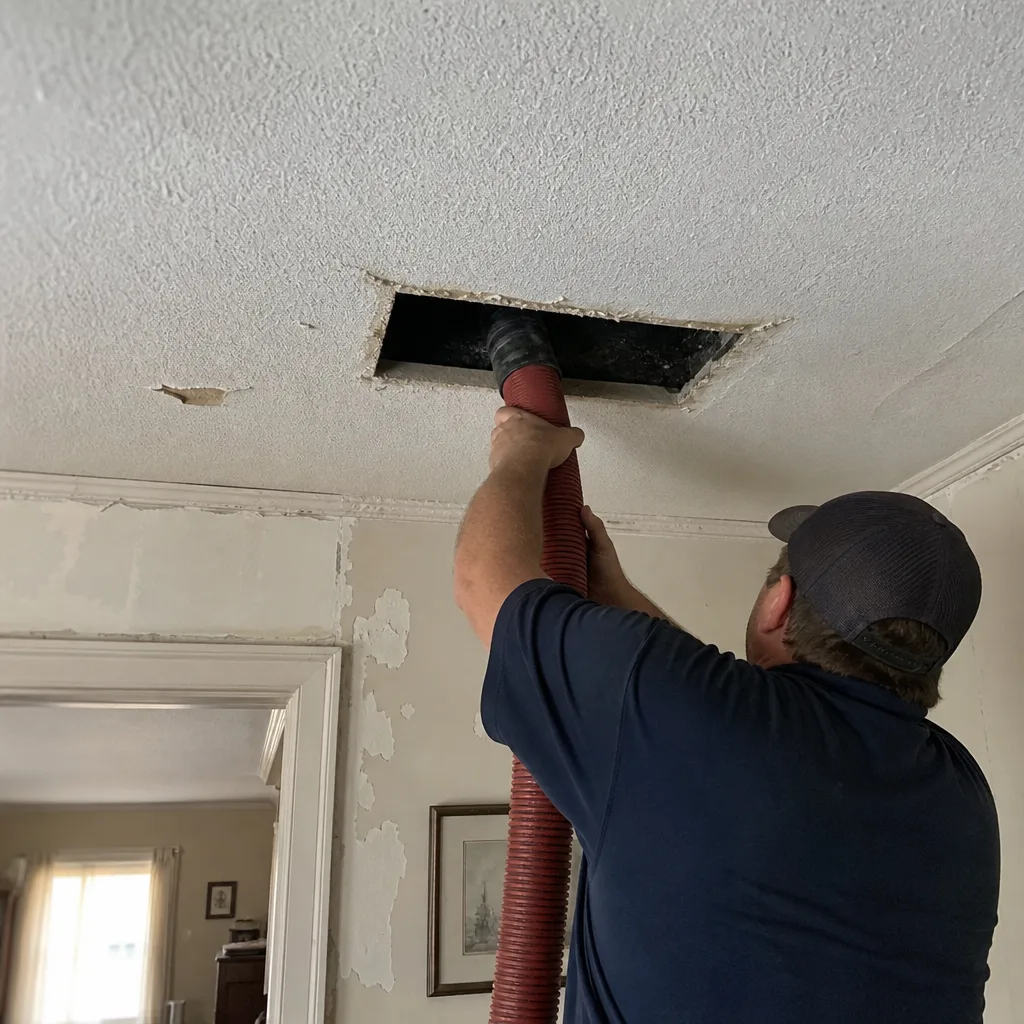 Before
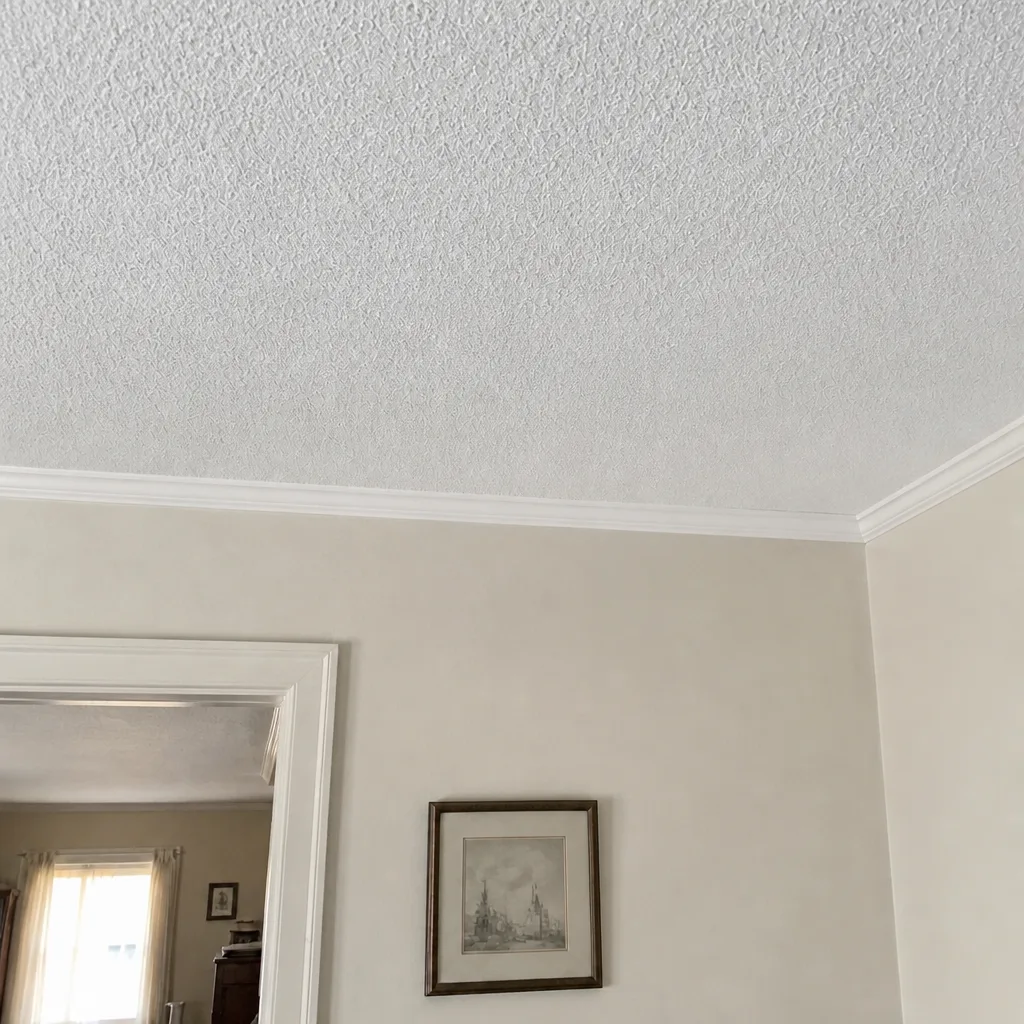 After
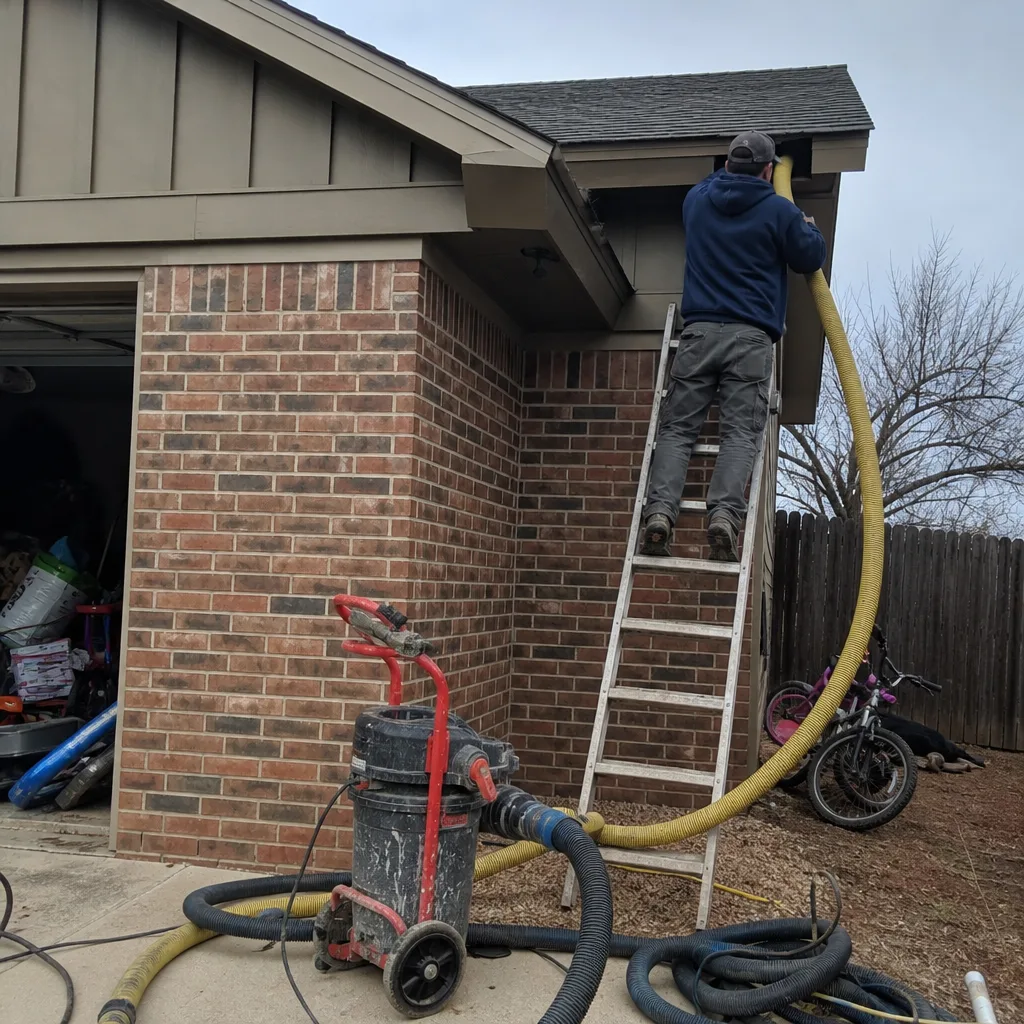 Before
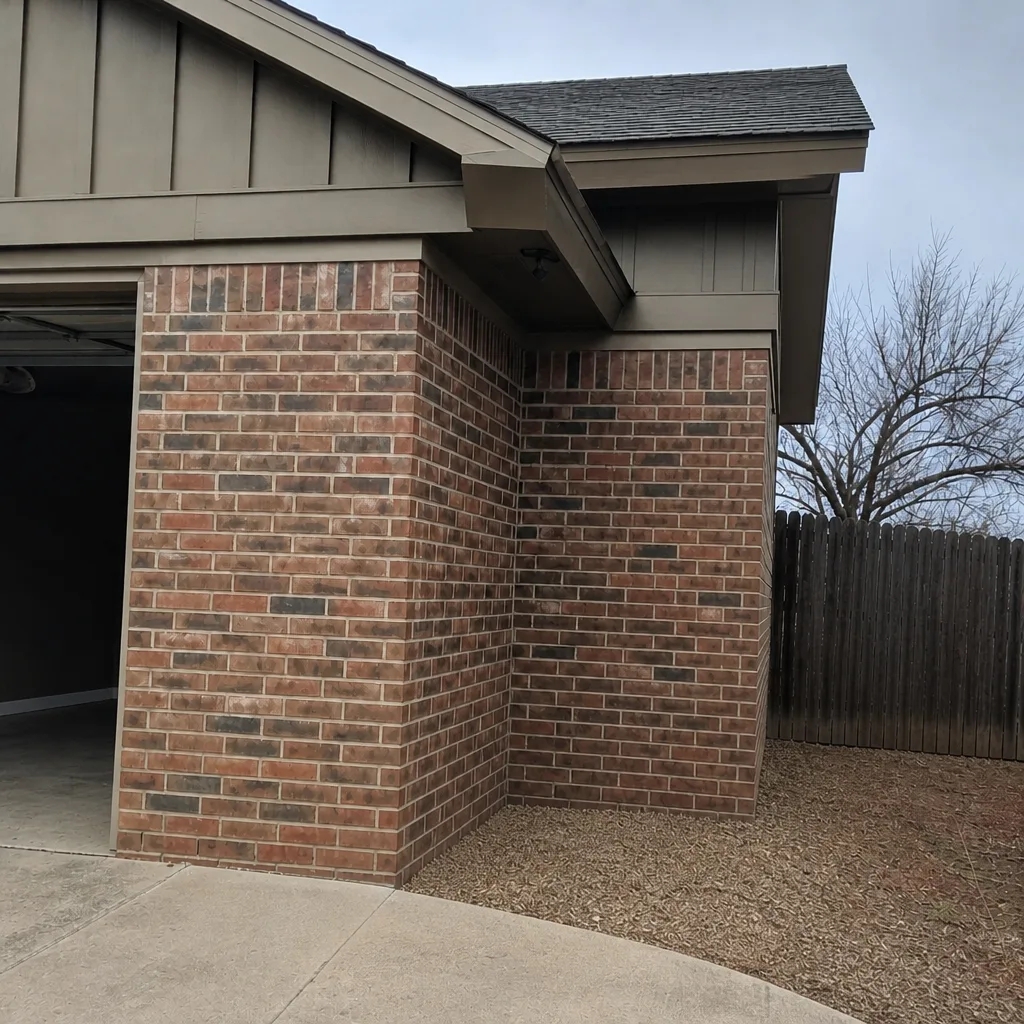 After
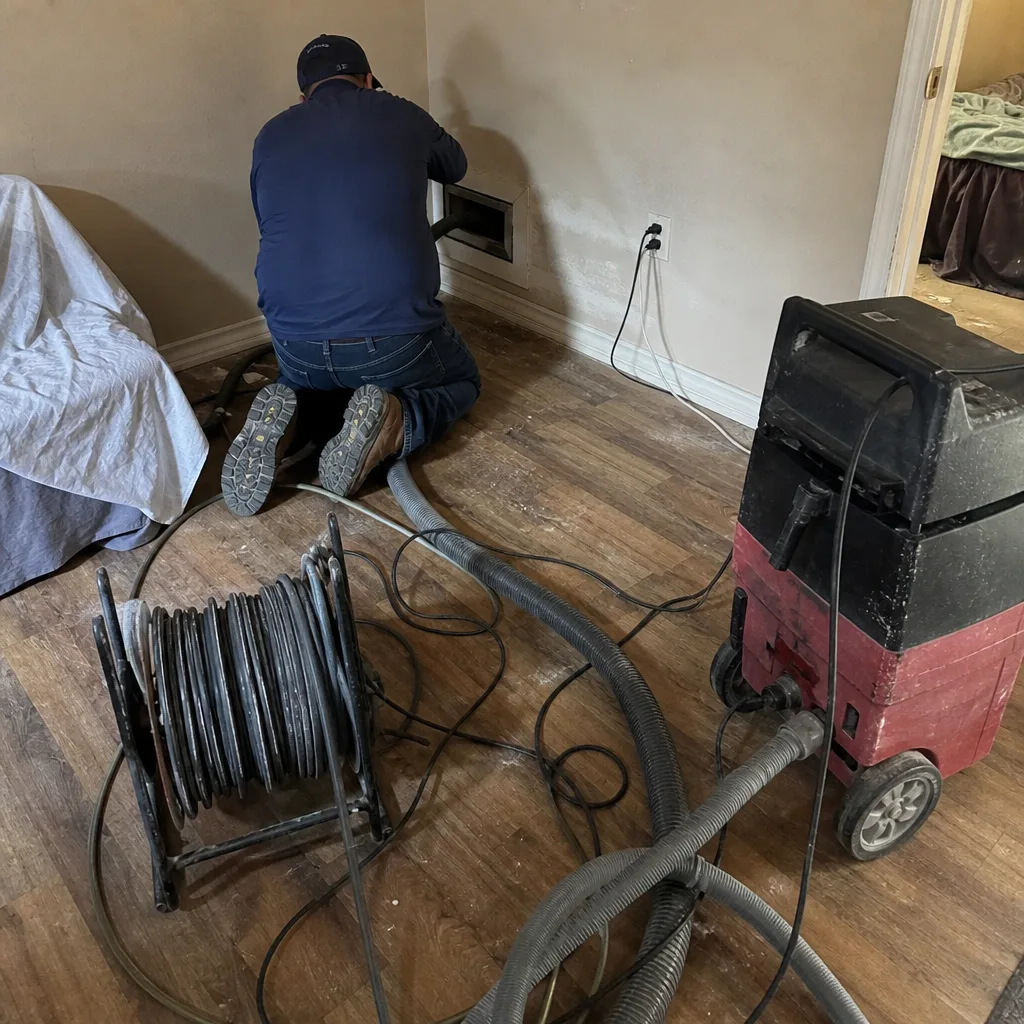 Before
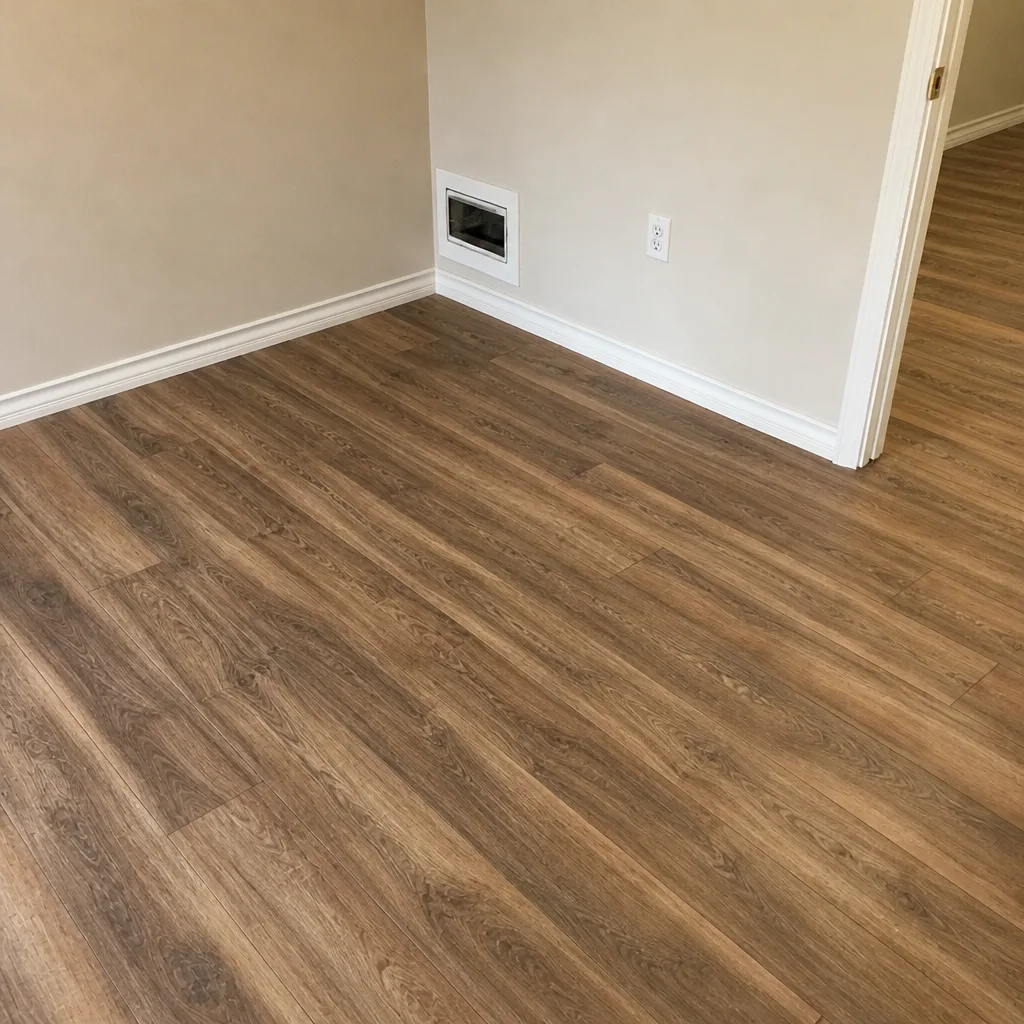 After
When to Call a Professional
Call a professional when any of the following applies: the storm caused visible structural damage; the HVAC turned on before you stopped it; you smell storm odor inside the home with the system off; you see debris or dark coating inside return or supply registers; you have water in the crawlspace, air handler, or duct area; your dryer vent is clogged or was damaged; or your insurer is asking for a written scope before authorizing the claim.
Duct Cleaning Norman offers free estimates in Norman. We’ll inspect the system, photograph what we find, and give you a written scope you can hand to your adjuster. Call (866) 493-6592. We answer 24/7. Fast dispatch from 7am to 7pm, Sunday through Friday.
Frequently Asked Questions
Duct cleaning in Norman is priced per system, not per register, and the written estimate sets the final price after inspection. Post-storm jobs often cost more than routine cleaning because the debris load is heavier and containment takes longer. We don’t quote per-vent or coupon prices; we give a whole-system range in writing after we’ve seen the system. Call (866) 493-6592 for an exact quote, estimates are free.
Cheaper quotes usually mean less equipment and smaller scope. A shop vac and a helper going register to register isn’t a professional cleaning, and on a storm job it can actually worsen contamination by agitating particulate without containment. Rotobrush-style contact cleaning with negative-air HEPA capture is what actually removes the material. Ask what equipment will be on-site before accepting a quote. Call (866) 493-6592 for a straight answer on scope.
Before-and-after photographs from inside the ducts, taken during the job, are the standard verification. A company that won’t provide them isn’t demonstrating that the cleaning happened. We photograph the system during the job and provide the images as part of the work record. Call (866) 493-6592 to schedule and to see what that documentation includes.
No. Smell is not a reliable indicator of duct contamination, especially for fine particulate. Keep the system off until after inspection, even if everything seems normal. Running the fan circulates storm debris that hasn’t reached your nose yet. Call (866) 493-6592 to book an inspection; estimates are free.
Often yes if the storm caused physical damage to the home and the duct contamination is a direct result. It’s usually covered as part of a wind or storm claim, with smoke damage handled under the fire claim and flood-related duct damage excluded unless you carry separate flood coverage. Provide dated photos, a written scope from the contractor, and before-and-after documentation. Call (866) 493-6592 if you need a written scope for your adjuster.
Every three to five years is typical for a well-maintained home, but storm events, renovations, and pets all shorten that interval. Post-storm cleaning is separate from the routine schedule because the contamination source is different. Filter changes every one to three months matter more than cleaning frequency for everyday air quality. Call (866) 493-6592 to talk through your specific situation.
Dryer vent damage is a real fire risk and gets prioritized separately from duct cleaning. Lint and debris in a storm-compromised vent can pack against the duct walls, and moisture accelerates buildup. We cover that as a separate service line, so you don’t need to call a second contractor. Call (866) 493-6592 to book both in one visit.
Yes, and it’s actually the better sequence. Having a written scope in hand before you file makes the claim conversation faster and usually more accurate. Contact your carrier first for the process, but book the inspection as soon as you’ve documented the storm damage. Call (866) 493-6592 to schedule; estimates are free and dispatch runs 7am to 7pm, Sunday through Friday.
The Bottom Line
After a major storm in Norman, the first action is turning off your HVAC at the thermostat and the breaker. The second is documenting what you see with dated photographs. The third is calling a professional to assess the system with proper equipment before any repair sequence starts. Repair the structure first. Repair the ductwork second. Clean the system third. Verify with before-and-after photographs that the work was done. Prepare before next season by sealing return leaks and upgrading the filter cabinet. Duct Cleaning Norman brings professional-grade equipment to every job and gives you a written scope you can work with, whether or not there’s an insurance claim behind it.
Call (866) 493-6592 for a free estimate. We answer 24/7. Fast dispatch from 7am to 7pm, Sunday through Friday. Closed Saturday.
Written by the team at Duct Cleaning Norman.